Different Types of Magicians (In-Depth Guide)
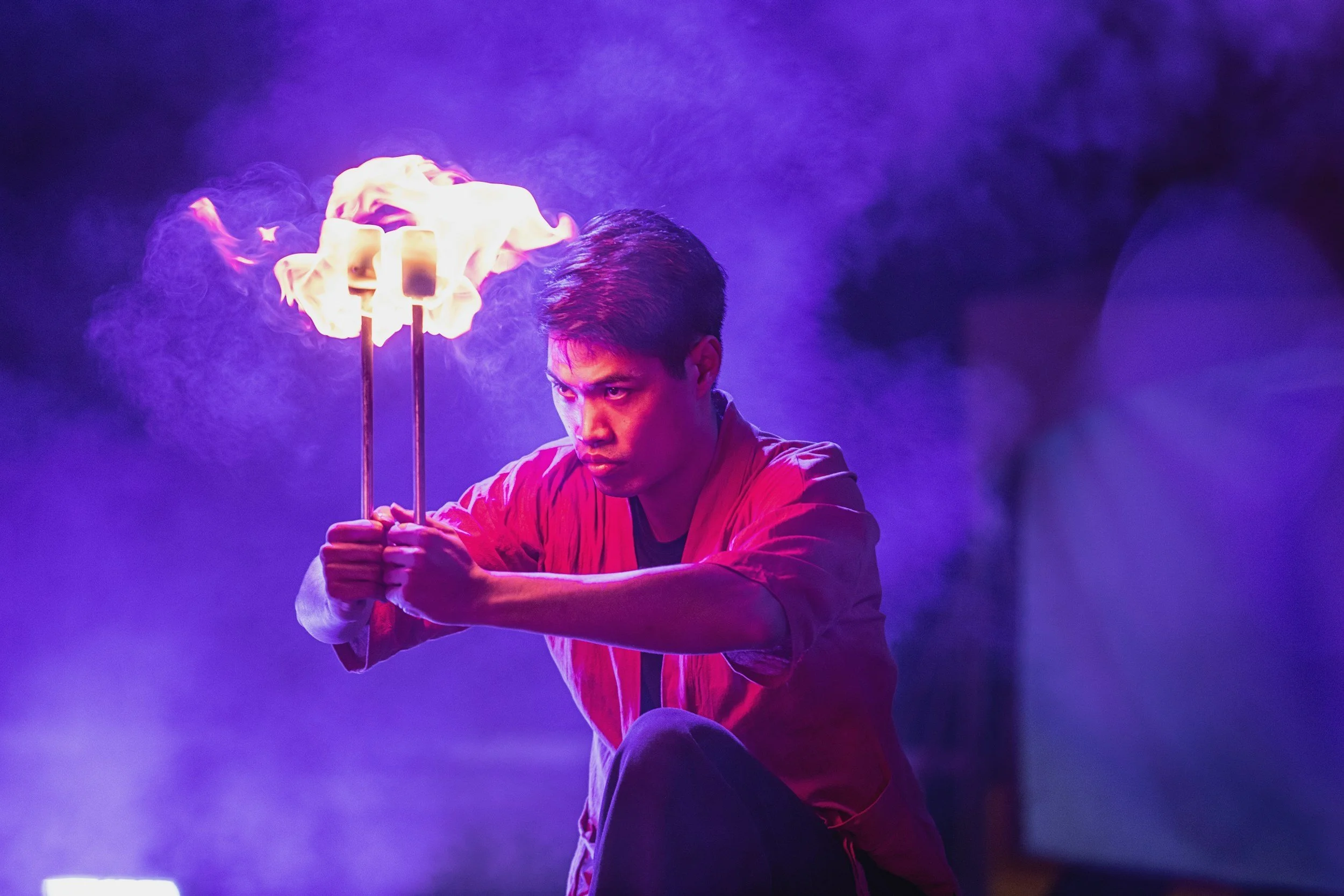
Magic is often misunderstood as a single type of entertainment—but in reality, it’s a diverse art form with many specialized disciplines. Each type of magician has a different performance style, audience interaction level, technical skill set, and purpose within an event or show.
Understanding these distinctions is essential, whether you’re hiring a performer, studying the craft, or simply appreciating the depth of the art. Below is a deep exploration of the major types of magicians, written in detailed, flowing form to give you a complete picture of how each category operates and what makes it unique.
Close-Up Magicians
Close-up magicians perform magic at extremely close range—often just inches away from their audience. This form of magic is built around intimacy, precision, and psychological misdirection. Unlike stage performances, where distance creates mystery, close-up magic removes that distance entirely, making the experience feel more impossible.
These magicians typically use everyday objects such as playing cards, coins, rings, watches, or even borrowed items from the audience. The power of close-up magic lies in its immediacy. When a spectator is holding the object that transforms, disappears, or changes, the sense of disbelief becomes much stronger. There’s no perceived space for trickery, which amplifies the impact.
Close-up magicians are often seen at cocktail parties, weddings, and corporate events, where they move between small groups of guests. Their role extends beyond entertainment—they act as social facilitators, helping break the ice and create shared experiences among strangers. This makes them particularly valuable in networking environments.
Technically, this type of magic demands exceptional sleight of hand, timing, and audience management. There is no stage, no distance, and no margin for error. Everything happens in real time, under scrutiny, making it one of the most skill-intensive forms of magic.
Walkaround Magicians
Walkaround magicians are closely related to close-up magicians, but their role is more dynamic within an event setting. Rather than performing for a fixed group, they move continuously throughout a venue, engaging guests in short, impactful performances.
This style is especially effective in large events where guests are mingling. The magician becomes part of the flow of the event rather than a scheduled feature. Performances are typically brief—anywhere from one to five minutes per group—but designed to create strong, memorable reactions quickly.
What distinguishes walkaround magic is its adaptability. The magician must read the room, approach groups at the right moment, and deliver entertainment without interrupting conversations or disrupting the atmosphere. It’s as much about social awareness as it is about technical skill.
In many ways, walkaround magicians serve as the connective tissue of an event. They ensure that no area feels stagnant and that guests remain engaged throughout the experience.
Stage Magicians
Stage magicians perform for larger audiences, using structured routines and theatrical presentation. This is the form of magic most people associate with traditional shows—complete with lighting, music, and dramatic pacing.
Unlike close-up magic, which relies on intimacy, stage magic relies on scale and storytelling. The magician becomes a central figure, guiding the audience through a curated experience that builds toward key moments of astonishment.
Stage performances often include a mix of visual effects, audience participation, and narrative elements. Timing is critical, as the magician must control not only the mechanics of the trick but also the rhythm of the show. Every moment is designed to build anticipation and deliver impact.
This type of magic works well for corporate events, theaters, and large gatherings where a shared experience is desired. It creates a collective emotional response, uniting the audience in a way that smaller performances cannot.
Illusionists
Illusionists operate on a grand scale, often performing large, visually striking feats that appear impossible. This includes classic illusions like levitation, teleportation, and making large objects—or even people—disappear.
What sets illusionists apart is their use of elaborate props, staging, and sometimes assistants. These performances are highly choreographed and often involve significant technical setup. Lighting, angles, and timing all play critical roles in creating the illusion.
Illusionists focus less on intimacy and more on spectacle. Their goal is to create moments that feel larger than life—something the audience couldn’t imagine witnessing up close.
This type of magic is commonly associated with large theaters, television specials, and headline performances in cities like Las Vegas. It represents the most visually dramatic side of magic.
Mentalists
Mentalists specialize in the appearance of mind reading, psychological influence, and prediction. Rather than focusing on physical objects, they focus on thoughts, decisions, and human behavior.
A mentalist might reveal a word someone is thinking of, predict choices before they are made, or influence decisions in subtle ways. The performance often feels more intellectual and mysterious than traditional magic.
What makes mentalism powerful is its emotional depth. When someone feels like their thoughts have been accessed or predicted, the reaction is often more intense than seeing a physical trick. It challenges not just perception, but belief itself.
Mentalists are particularly effective in corporate settings, upscale events, and environments where a more sophisticated tone is desired. Their performances often blur the line between entertainment and psychological demonstration.
Street Magicians
Street magicians perform in public spaces, often for unsuspecting audiences. This style gained popularity through television and viral videos, where real reactions became a central part of the experience.
The focus here is not just the trick, but the authenticity of the reaction. There is no formal stage, no structured audience—just real people encountering something unexpected.
Street magic often feels raw and unfiltered. The environment adds unpredictability, which can enhance the impact of the performance. It also makes the experience more relatable, as viewers can imagine themselves in the same situation.
This style has heavily influenced modern magic, shifting the emphasis from polished routines to genuine human reactions.
Comedy Magicians
Comedy magicians blend humor with illusion, creating performances that are as entertaining as they are astonishing. In this style, the magician’s personality is just as important as the tricks themselves.
The humor can range from lighthearted jokes to full comedic routines, often involving audience participation. The magic becomes part of the comedic timing, with surprises used to enhance the humor.
This type of magician is ideal for events where the goal is to create a relaxed, enjoyable atmosphere. Laughter lowers skepticism and makes audiences more receptive, which can actually enhance the impact of the magic.
Comedy magic requires a unique balance. The performer must be both a skilled magician and a capable comedian, able to manage timing, delivery, and audience interaction simultaneously.
Corporate Magicians
Corporate magicians specialize in performing at business events, conferences, and trade shows. Their role goes beyond entertainment—they often align their performance with the goals of the event.
This might include:
Incorporating brand messaging into routines
Attracting attention to a booth
Reinforcing key themes or ideas
Corporate magicians must be highly adaptable and professional, able to work within structured schedules and diverse audiences. They often perform a mix of close-up and stage magic, depending on the event format.
Their value lies in their ability to engage audiences while supporting business objectives.
Digital and Virtual Magicians
With the rise of online events, digital magicians have developed performances specifically designed for screens. These shows are interactive, often involving audience participation through webcams or chat.
Unlike traditional magic, virtual magic must account for:
Camera framing
Screen limitations
Remote audience engagement
Despite these challenges, digital magicians have created highly engaging formats that feel personal and interactive. They often use technology itself as part of the performance, blurring the line between magic and digital experience.
This category continues to grow as virtual and hybrid events become more common.
Escapologists
Escapologists focus on dramatic feats of escape, often involving physical danger or high tension. This includes escaping from restraints, locked containers, or extreme situations.
The emphasis here is not just on the method, but on the narrative. The audience is drawn into the tension of the situation, wondering whether the performer will succeed.
This type of magic is highly theatrical and often physically demanding. It combines elements of magic, stunt performance, and storytelling to create a powerful emotional experience.
Final Thoughts
Magic is far more diverse than most people realize. Each type of magician offers a different kind of experience:
Close-up magic creates intimacy
Stage magic creates shared moments
Illusionists deliver spectacle
Mentalists challenge perception
Comedy magicians entertain through personality
Corporate magicians align with purpose
Digital magicians adapt to modern platforms
Understanding these distinctions allows you to appreciate the craft more deeply—and choose the right type of performer for any situation.
Because in the end, magic isn’t just one thing.
It’s a collection of disciplines, each designed to create wonder in its own unique way.