How to Create a Memorable Charity Event with Live Entertainment
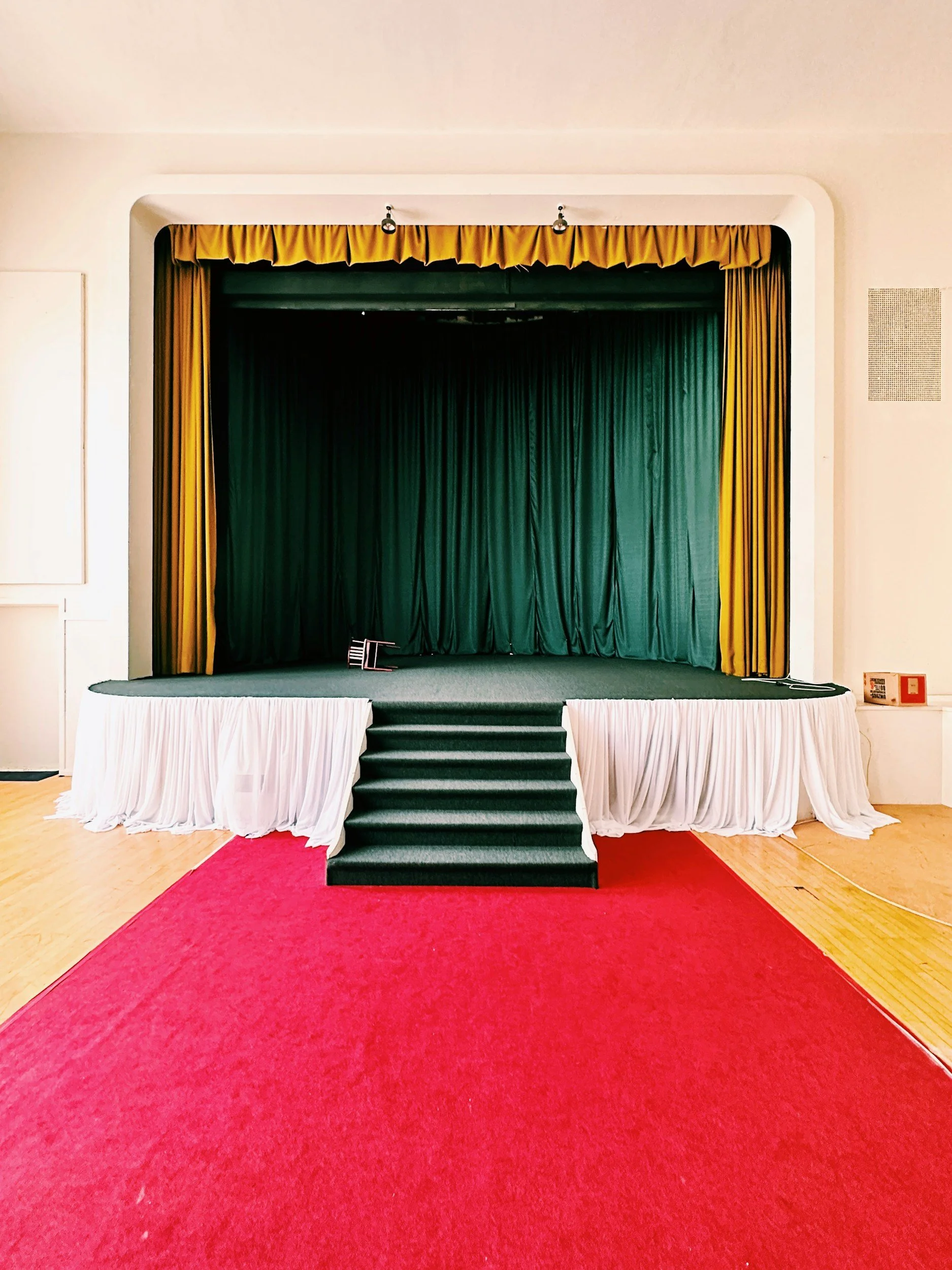
A successful charity event isn’t just about raising money—it’s about creating an experience that inspires people to give, connect, and remember your cause long after the event ends.
Live entertainment plays a critical role in that success. When used strategically, it doesn’t just fill time—it drives emotion, energy, and engagement, which directly impact donations.
Here’s how to create a truly memorable charity event using live entertainment.
1. Start With a Clear Purpose (Before Booking Entertainment)
Before choosing any entertainment, define your event’s core objective.
Ask:
Are you maximizing donations?
Building awareness?
Strengthening donor relationships?
Attracting new supporters?
Why this matters:
Your entertainment should support your fundraising goals, not distract from them.
Example:
High-energy goal → interactive entertainment
Emotional connection goal → storytelling + performance
2. Design the Event Around Emotional Flow
The most memorable charity events follow an emotional journey.
Ideal flow:
Warm welcome
Light engagement
Emotional storytelling
High-energy interaction
Donation appeal
Celebration
Where live entertainment fits:
Entertainment should guide the audience through these phases, not interrupt them.
3. Use Entertainment to Break the Ice Early
Guests often arrive unsure how to engage.
Solution:
Start with interactive entertainment like:
Close-up magic
Roaming performers
Light music
Why it works:
Encourages conversation
Makes guests comfortable
Sets a positive tone
Result:
Guests become engaged earlier—and stay engaged longer.
4. Build Toward a Strong Emotional Peak
Donations happen when emotion peaks.
How to create that peak:
Combine storytelling with performance
Use a featured entertainment segment before the ask
Build anticipation throughout the event
Example:
A powerful mentalism or magic performance right before the donation appeal can:
Capture full attention
Elevate emotional intensity
Prepare guests to act
5. Choose Entertainment That Encourages Participation
Passive entertainment has limited impact at fundraising events.
Instead, prioritize:
Interactive magicians
Audience-involved performances
Live games or donation challenges
Why it matters:
Participation increases:
Emotional connection
Investment in the event
Likelihood of donating
6. Align Entertainment With Your Cause
The most memorable events feel cohesive.
How to do this:
Incorporate your mission into performances
Use storytelling that connects entertainment to impact
Customize elements where possible
Example:
A magician revealing a message tied to your cause
A performer sharing a story related to your mission
Result:
Entertainment becomes part of the message—not separate from it.
7. Use Live Entertainment to Maintain Energy
Energy naturally rises and falls during events.
Common low-energy moments:
Between courses
After speeches
During transitions
Solution:
Use entertainment to:
Re-energize the room
Keep guests focused
Avoid disengagement
Result:
Consistent energy leads to better participation and stronger outcomes.
8. Create Shared Experiences (Not Just Individual Ones)
The most powerful moments are shared by the entire room.
Examples:
A stage performance
A group interactive segment
A collective reveal or surprise
Why it works:
Shared experiences:
Build connection among guests
Amplify emotional reactions
Create lasting memories
9. Time Entertainment Around Key Fundraising Moments
Timing is everything.
Strategic placement:
Before donation appeals → build energy
Before auctions → increase excitement
During transitions → maintain engagement
Why it matters:
Entertainment should support the moment of giving, not compete with it.
10. Use a Strong Host or Emcee
Even the best entertainment needs structure.
A great emcee will:
Guide the event flow
Maintain energy
Introduce entertainment effectively
Connect segments smoothly
Why it’s critical:
Without strong hosting, the event can feel disjointed—even with great performers.
11. End With a Powerful Closing Moment
The final impression shapes how guests remember the event.
Strong closing ideas:
A final performance
A collective celebration moment
A powerful message tied to your cause
Why it matters:
People remember:
The emotional peak
The ending
Make both count.
12. Focus on the Guest Experience (Not Just the Program)
A memorable event is defined by how guests feel throughout.
Ask yourself:
Are guests engaged at every stage?
Are there moments of surprise and delight?
Is the experience smooth and enjoyable?
Live entertainment helps by:
Creating emotional highs
Encouraging interaction
Making the event feel dynamic
13. Combine Multiple Entertainment Elements
The most successful charity events use a mix of experiences.
Example structure:
Cocktail Hour:
Close-up magician
Dinner:
Light music or table-side interaction
Pre-Auction:
Feature performance (mentalist or stage magic)
Auction:
High-energy auctioneer
Closing:
Final entertainment moment
Why it works:
Keeps engagement consistent
Prevents monotony
Builds toward donation peaks
Final Thoughts
Creating a memorable charity event isn’t about having the most entertainment—it’s about having the right entertainment at the right time.
Live entertainment helps you:
Capture attention
Build emotional connection
Maintain energy
Encourage participation
Increase donations
When designed strategically, it transforms your event from a simple fundraiser into an experience that inspires action.
Because at the end of the day, people don’t just give because they were asked…
They give because they felt something powerful enough to respond.