How to Keep Guests Engaged During Cocktail Hour with Magic
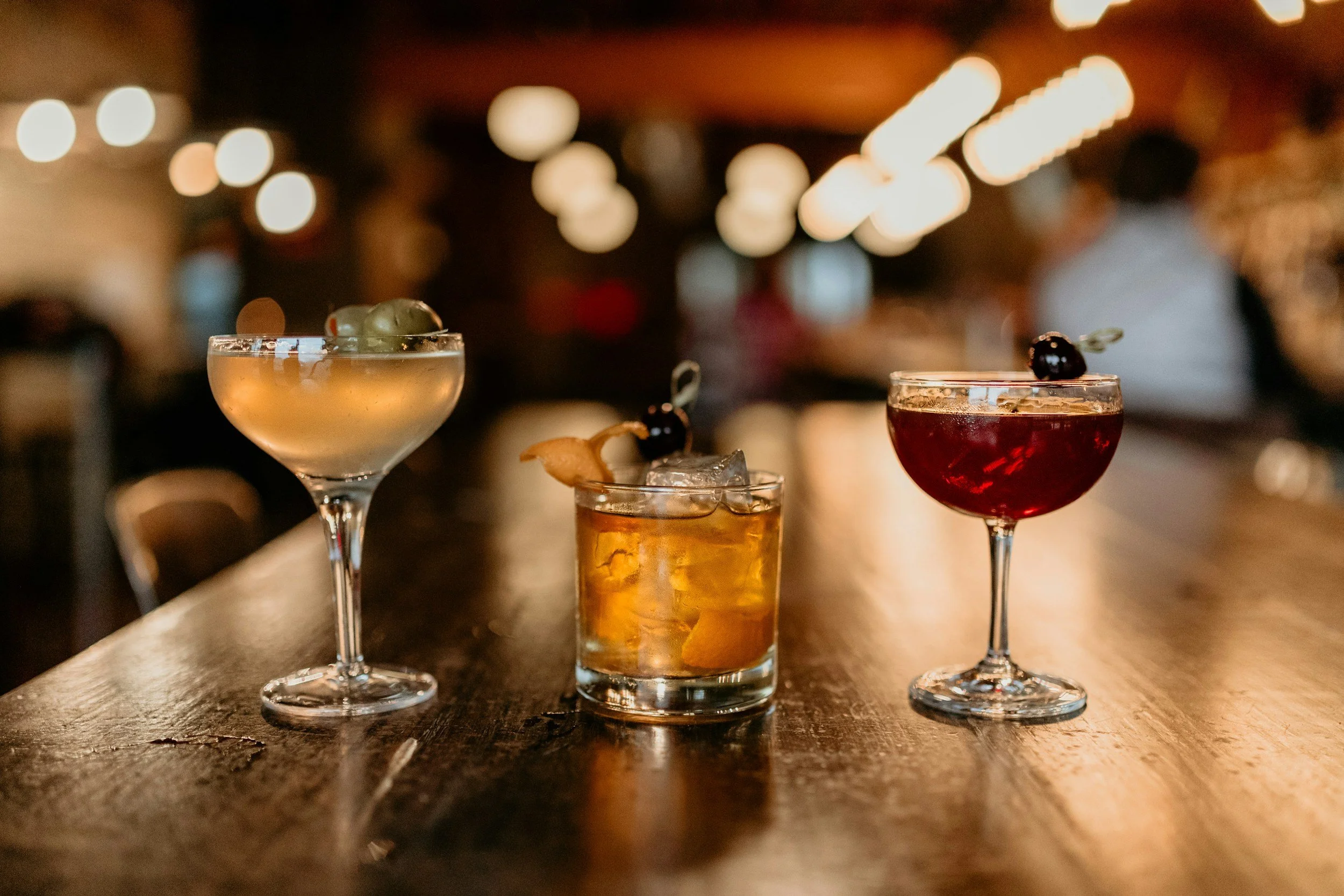
Cocktail hour is one of the most important—and most underestimated—parts of any event.
It’s the transition between arrival and the main reception. Guests are settling in, grabbing drinks, and trying to figure out who to talk to. Without the right atmosphere, it can feel awkward, slow, or disconnected.
That’s why more event planners and couples are turning to magic as the perfect solution.
A skilled magician doesn’t just entertain—they activate the room, spark conversation, and turn passive guests into engaged participants.
Here’s exactly how to use magic to keep guests engaged during cocktail hour.
1. Start Engagement Immediately (No Waiting Period)
One of the biggest mistakes during cocktail hour is letting energy build too slowly.
The problem:
Guests arrive at different times
Conversations take time to start
Early arrivals feel awkward
How magic fixes it:
A magician can begin performing right away, even with small groups.
Result:
Instant engagement
No awkward waiting
Early guests feel entertained instead of isolated
This sets a strong tone for the rest of the event.
2. Use Walkaround Magic for Maximum Coverage
The most effective format for cocktail hour is walkaround magic.
How it works:
The magician moves from group to group
Performs short, high-impact routines
Engages multiple clusters of guests
Why it’s perfect:
Guests are already mingling
No stage or setup required
Everyone gets included over time
Outcome:
Instead of entertainment happening in one place, it spreads throughout the entire room.
3. Break the Ice Between Guests Who Don’t Know Each Other
Cocktail hour often brings together people from different parts of life:
Family
Friends
Work colleagues
Plus-ones
The challenge:
Guests don’t always know how to start conversations.
Magic creates instant connection:
Shared reactions
Group participation
Natural talking points
After a trick, people immediately say:
“How did that happen?”
“Did you see that?”
That’s organic conversation—no forced networking required.
4. Turn Small Groups into Social Hubs
Magic naturally draws attention.
What happens in real time:
A magician starts performing for a few people
Others nearby get curious
A small crowd forms
After the performance:
Guests stay and talk
New introductions happen
The group becomes a social hub
This helps transform scattered guests into connected clusters.
5. Keep Energy Moving Around the Room
Without entertainment, cocktail hour energy can feel uneven.
Common issue:
Some areas feel lively
Others feel quiet or empty
Magic solves this by:
Moving attention across the space
Re-engaging different groups
Preventing stagnant pockets
The magician acts as a mobile energy source, keeping the entire room alive.
6. Encourage Guests to Stay Present (Not on Their Phones)
In modern events, distraction is a real challenge.
Without engagement:
Guests check phones
Conversations stall
Attention drifts
Magic demands focus:
Guests watch closely
They stay in the moment
They react in real time
Result:
More presence, more interaction, more energy.
7. Create Memorable “Wow” Moments Early
First impressions matter.
Cocktail hour sets the tone:
If it’s engaging, the rest of the event feels exciting.
Magic creates:
Immediate surprise
Emotional reactions
Memorable highlights
Guests quickly feel:
“This event is going to be good.”
8. Adapt to Any Space or Layout
Cocktail hour venues vary widely:
Indoor halls
Outdoor patios
Rooftops
Banquet spaces
Magic works anywhere because:
It requires minimal setup
It’s flexible in movement
It adapts to crowd size
Whether the space is tight or open, magic fits naturally.
9. Fill Downtime While Photos or Setup Happens
Cocktail hour often exists because:
The couple is taking photos
The main room is being prepared
Guests are waiting
Without entertainment:
Guests feel like they’re “killing time”
With magic:
The waiting becomes part of the experience
Guests stay engaged
Time feels shorter
10. Appeal to All Age Groups at Once
Cocktail hour often includes a mix of:
Kids
Young adults
Parents
Older guests
Magic works across all ages because:
It’s visual
It’s interactive
It creates universal reactions
Everyone can enjoy it at the same time—even if for different reasons.
11. Create Conversation That Lasts Into the Reception
Magic doesn’t end when the trick ends.
What happens afterward:
Guests discuss what they saw
They share reactions
They revisit the experience later
This leads to:
Continued interaction
Stronger social connections
More dynamic conversations throughout the event
12. Enhance the Overall Event Flow
Cocktail hour is a transition—not the main event.
Magic improves this transition by:
Bridging arrival and reception
Maintaining consistent energy
Preventing awkward lulls
Instead of feeling like a waiting period, cocktail hour becomes a highlight in itself.
13. Make Guests Feel Personally Included
One of the biggest advantages of magic is personalization.
Unlike passive entertainment:
Magic happens:
In guests’ hands
Right in front of them
Involving their choices
Result:
Guests feel:
Seen
Included
Part of the experience
This creates stronger emotional impact.
14. Reduce Pressure on Guests to “Perform Socially”
Networking or mingling can feel like work for some guests.
Magic helps by:
Providing something to focus on
Removing pressure to start conversations
Giving guests a shared topic
This makes the environment more comfortable and natural.
Final Thoughts
Cocktail hour is more than just a transition—it’s your chance to set the tone for the entire event.
Magic is one of the most effective ways to:
Engage guests immediately
Break social barriers
Keep energy flowing
Create memorable moments
It transforms cocktail hour from a passive waiting period into an active, engaging experience.
Because when guests are entertained early, they don’t just attend your event—they become part of it.
And that’s what makes it unforgettable.