How to Plan Entertainment for a Wedding Reception That Guests Remember
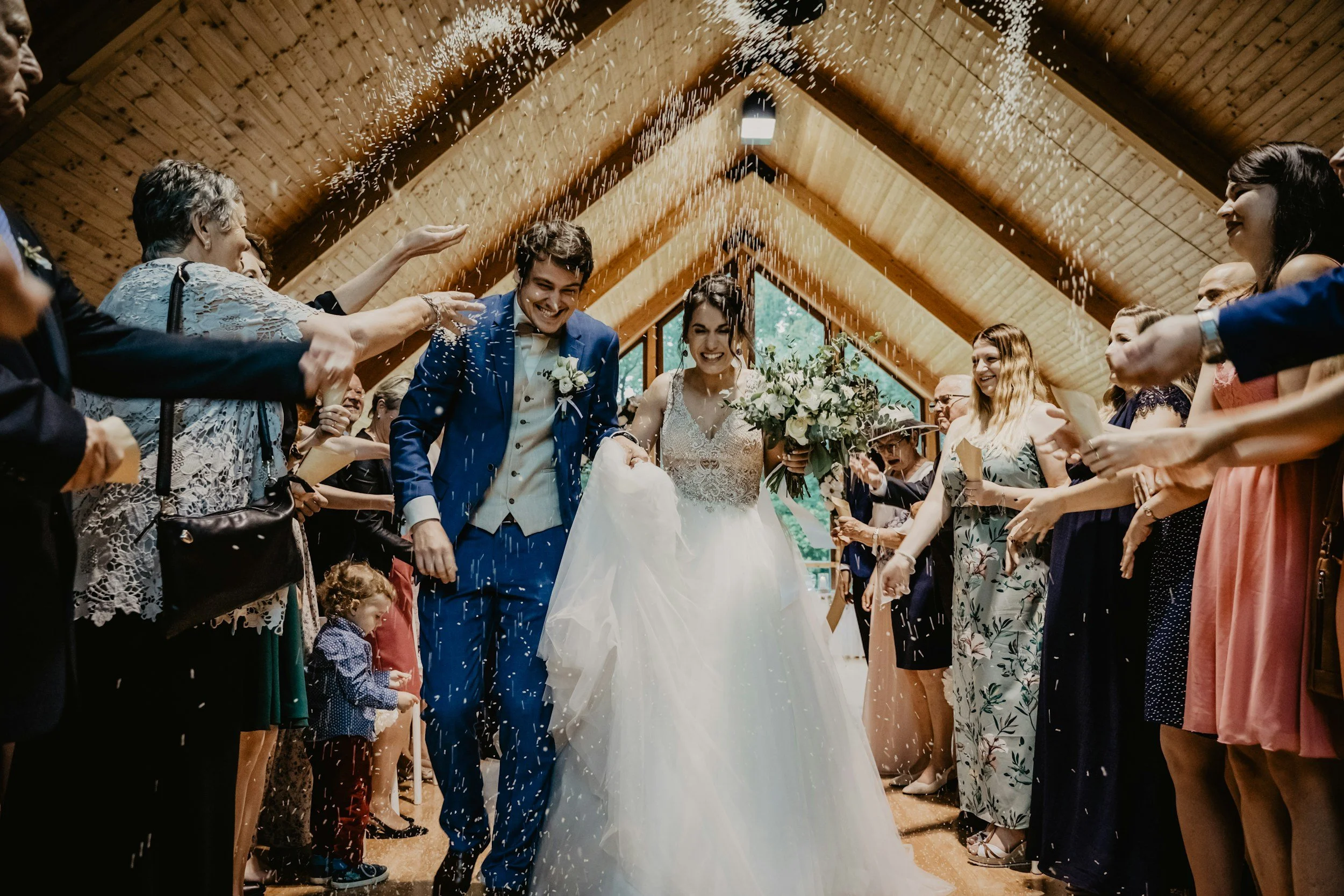
A wedding reception isn’t just a celebration—it’s an experience that people will talk about for years. While food, décor, and photography all matter, one of the biggest factors that determines whether guests remember your wedding is entertainment.
The right entertainment keeps energy high, encourages interaction, fills downtime, and creates unforgettable moments. The wrong entertainment—or poorly planned timing—can lead to awkward pauses, disengaged guests, and a forgettable atmosphere.
This guide breaks down how to plan wedding reception entertainment that guests don’t just enjoy in the moment, but actually remember long after the night is over.
1. Start With the Guest Experience, Not the Schedule
Most couples start planning entertainment by asking:
“What should we book?”
A better question is:
“How do we want guests to feel throughout the night?”
Think in emotional phases:
Arrival → Excited but cautious
Cocktail hour → Social but awkward at first
Dinner → Relaxed but potentially slow
Dancing → High energy
Late night → Intimate and casual
Each phase needs its own type of entertainment.
2. Fill the “Dead Zones” First
The most forgettable moments at weddings usually happen during downtime.
Common dead zones:
Cocktail hour waiting period
Between dinner courses
Photo sessions
Room transitions
Setup delays
Smart entertainment solves this:
Instead of letting energy dip, plan:
Walkaround entertainment
Live musicians
Interactive performers
Guest activities
This keeps momentum consistent from start to finish.
3. Use Interactive Entertainment to Break the Ice
Weddings bring together people from different parts of life:
Family
Friends
Work colleagues
Plus-ones who don’t know anyone
The challenge:
Guests often don’t interact early on.
The solution:
Interactive entertainment that forces natural connection.
Examples include:
Close-up magic
Icebreaker games
Roaming performers
Interactive photo experiences
These create shared reactions that naturally lead to conversation.
4. Plan Entertainment for Cocktail Hour Carefully
Cocktail hour sets the tone for the entire reception.
Without entertainment:
Guests stand around
Conversations feel forced
Energy builds slowly
With the right entertainment:
Guests engage immediately
Groups form naturally
The room feels alive
Strong options include:
Walkaround magician
Acoustic live musician
Signature cocktail experience
Interactive food stations
This is one of the most important parts of the entire evening.
5. Match Entertainment to Your Venue Style
Not all venues support the same type of entertainment.
Consider:
Indoor vs outdoor space
Room size
Acoustics
Guest flow
Lighting
Examples:
Small, intimate venues:
Close-up magic
Acoustic sets
Minimalist performances
Large banquet halls:
Stage shows
DJs
Multiple roaming entertainers
Good planning ensures entertainment feels natural—not forced.
6. Balance High Energy and Low Energy Moments
A great reception feels like a journey, not a constant peak.
Build a rhythm:
Arrival → Light entertainment
Dinner → Subtle engagement
Post-dinner → High-energy performance
Dancing → Full celebration
Why this matters:
Without pacing:
Guests get tired too early
Energy crashes
Moments lose impact
Entertainment should create waves of energy, not a single spike.
7. Use a “Hero Moment” Performance
Every memorable wedding has one standout moment.
This could be:
A surprise performance
A live band reveal
A magician performing a featured routine
A choreographed moment involving guests
Why it works:
It gives guests something to remember as the highlight of the night.
This becomes the story they retell.
8. Include Entertainment That Encourages Participation
Passive entertainment is easy to forget.
Active engagement creates memory.
Examples:
Guests joining a performance
Interactive dance moments
Group participation in magic or games
Photo booth experiences
When guests are involved, they become part of the experience—not just observers.
9. Don’t Overload the Schedule
One of the biggest mistakes is trying to include too much.
Problem:
Entertainment becomes rushed
Guests feel overwhelmed
Nothing gets proper attention
Better approach:
Choose fewer, high-quality experiences
Allow time for natural interaction
Focus on flow, not quantity
Less can actually create more impact.
10. Plan Entertainment Transitions Carefully
Transitions are where many weddings lose energy.
Common gaps:
Moving from dinner to dancing
Speeches ending awkwardly
Setup delays between segments
Fix it with:
Short performances
DJ or live music bridges
Interactive roaming entertainment
Smooth transitions keep guests engaged throughout.
11. Make Sure Entertainment Fits Your Guest Mix
Every wedding has a unique audience.
Consider:
Age range
Cultural backgrounds
Energy levels
Comfort with participation
Example:
Older guests may prefer live music or close-up magic
Younger guests may prefer DJs and interactive elements
The best weddings include entertainment that appeals across generations.
12. Use Entertainment to Encourage Social Connection
The goal of a wedding reception isn’t just fun—it’s connection.
Great entertainment helps by:
Breaking social barriers
Creating shared experiences
Giving guests conversation topics
After a performance, guests naturally talk about:
What they just saw
Their reactions
Who they experienced it with
That’s where connection happens.
13. Plan a Strong Ending
The final impression matters as much as the first.
Weak endings:
Guests slowly leave
Energy fades
No clear closure
Strong endings:
Final group dance
Surprise performance
Emotional closing moment
A strong ending ensures guests leave on a high note.
14. Consider Professional Entertainment Over DIY Options
It may be tempting to rely on playlists or casual entertainment, but professionals bring consistency and experience.
Professionals provide:
Timing control
Audience management
Reliable performance quality
Event adaptability
This reduces stress and improves overall guest experience.
15. Add a Unique Element That Reflects You
The most memorable weddings include personalization.
Ideas:
A performance tied to your story
Custom music choices
Interactive elements involving your relationship
Surprise moments for guests
Personal touches make the event feel unique—not generic.
Final Thoughts
Planning wedding reception entertainment isn’t just about filling time—it’s about designing an experience that flows, connects, and resonates.
The most memorable weddings are those where:
Guests are engaged from start to finish
Energy is carefully paced
Interaction is encouraged
Moments feel personal and meaningful
When entertainment is thoughtfully planned, it transforms the entire atmosphere of the reception.
Because in the end, guests won’t remember every detail of the menu or décor.
They’ll remember how the night felt—and the moments that made them smile, laugh, and feel part of something special.