The History of Magic: From Ancient Illusions to Modern Entertainment (In-Depth)
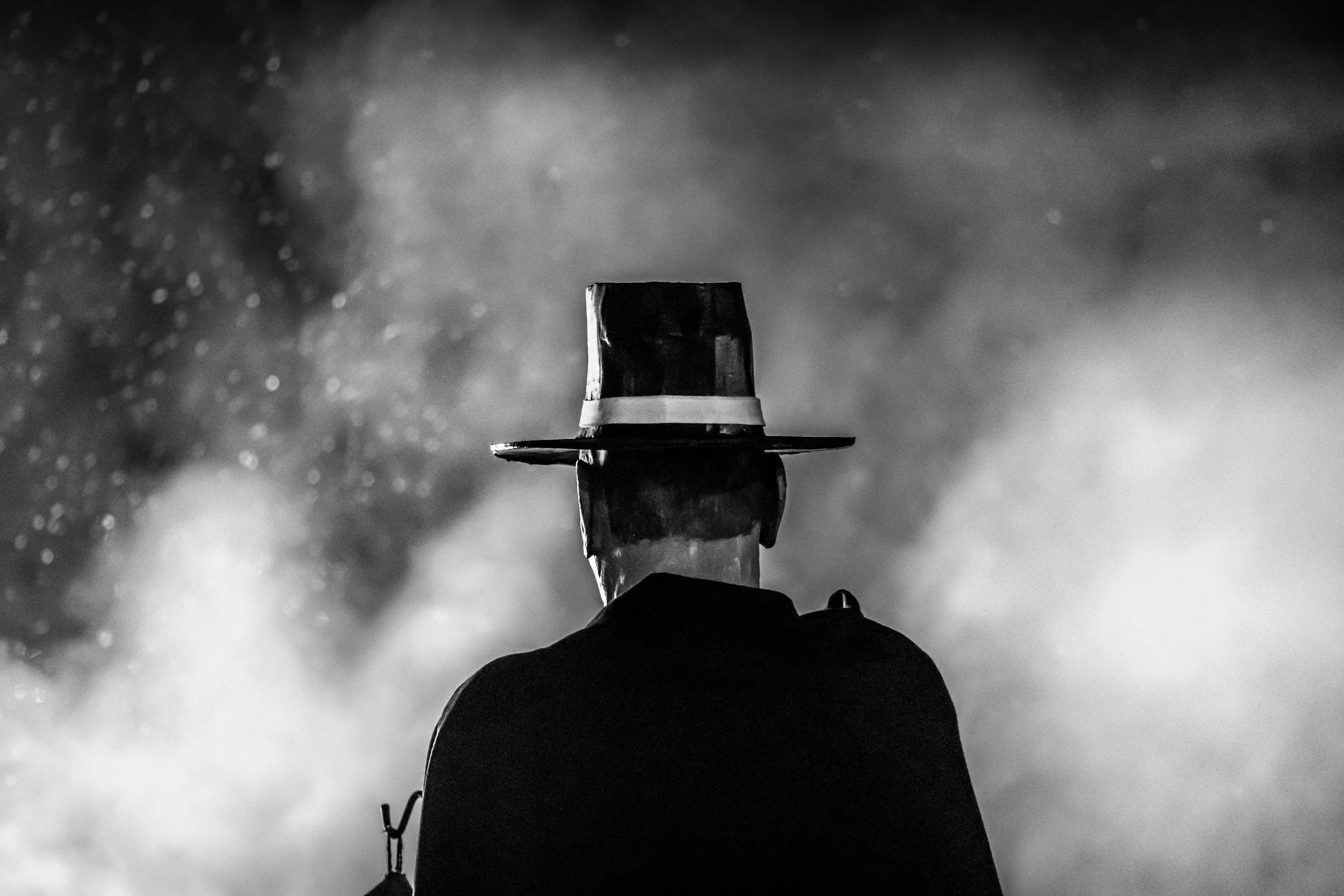
Magic is one of humanity’s oldest and most enduring forms of expression. Long before it became a structured performing art, magic existed as belief, ritual, and mystery—woven into the earliest attempts to understand the world. Over thousands of years, it evolved from sacred ceremony to street performance, from feared practice to celebrated entertainment, and from simple sleight-of-hand to psychologically sophisticated illusion.
To truly understand magic today, you have to understand where it came from. This is not just a story about tricks—it is a story about human perception, culture, fear, curiosity, and creativity.
1. Magic Before Entertainment: Ritual, Belief, and Power
In prehistoric and early ancient societies, magic was not entertainment. It was functional—a tool used to explain and influence the unknown.
Early humans lived in a world filled with uncertainty: unpredictable weather, disease, death, and natural disasters. Without scientific understanding, these phenomena were often attributed to supernatural forces. Those who appeared able to influence or interpret these forces—shamans, priests, spiritual leaders—held immense power.
These figures performed rituals that, from a modern perspective, resemble theatrical performances:
Chanting and rhythmic movement
Use of symbolic objects
Controlled environments (firelight, smoke, darkness)
Dramatic timing and repetition
These elements created powerful psychological effects. They heightened emotion, focused attention, and produced experiences that felt otherworldly. While these were not “magic tricks” in the modern sense, they laid the foundation for performance techniques still used by magicians today—misdirection, timing, and control of perception.
In this early stage, magic was inseparable from religion and proto-science. There was no distinction between illusion and belief. If something appeared impossible, it was often accepted as real.
2. Ancient Civilizations: The First Recorded Illusions
As civilizations developed, so did more structured forms of magic-like performance.
Ancient Egypt
One of the earliest written records of magical performance appears in the Westcar Papyrus, dating to around 2500 BCE. This text tells stories of magicians performing feats that sound strikingly similar to modern illusions.
A figure named Dedi is described as performing decapitation and restoration illusions—removing the heads of animals and restoring them to life. While these accounts are likely exaggerated or symbolic, they suggest that staged illusion was already understood as a form of spectacle.
Egyptian priests also used hidden mechanisms in temples to create effects such as:
Doors that opened seemingly on their own
Statues that appeared to move
Flames that ignited mysteriously
These were not just religious experiences—they were carefully engineered illusions designed to reinforce authority and belief.
Greece and Rome
In ancient Greece, thinkers like Plato and Aristotle began exploring perception, reality, and illusion. While they were not magicians, their philosophical work laid intellectual groundwork for understanding how and why magic works.
Meanwhile, entertainers in Greek and Roman marketplaces performed sleight-of-hand tricks for public amusement. These early performers used techniques like:
The cups and balls
Object vanishes
Basic misdirection
This marks one of the first clear separations between magic as belief and magic as entertainment.
3. The Middle Ages: Fear, Suppression, and Survival
The Middle Ages were a complicated period for magic.
With the rise of dominant religious institutions such as the Catholic Church, anything resembling supernatural power outside of approved doctrine became suspect. Magic was often associated with:
Witchcraft
Heresy
Demonic influence
This created a dangerous environment for performers. A magician demonstrating an illusion could be accused of possessing real supernatural powers—and punished accordingly.
As a result, performers adapted.
They began presenting themselves not as magicians, but as:
Jugglers
Tricksters
Entertainers
They emphasized humor and skill rather than mystery, distancing themselves from claims of real power. This shift was crucial. It allowed magic to survive, even if it had to operate in the shadows.
Ironically, this period helped refine magic as performance. Since magicians could no longer rely on claims of supernatural ability, they had to rely on skill, presentation, and deception.
4. The Renaissance: Magic Becomes Rational
The Renaissance marked a turning point in the history of magic. As scientific thinking began to emerge, people started questioning long-held beliefs about the supernatural.
One of the most important figures of this period was Reginald Scot. His 1584 book The Discoverie of Witchcraft aimed to debunk claims of witchcraft by revealing how many supposed “supernatural” feats were actually tricks.
This had two major effects:
It helped reduce fear and persecution associated with magic
It unintentionally provided a foundation for modern magicians
By exposing methods, Scot demonstrated that magic could be understood, studied, and performed without invoking supernatural forces.
During this time, magic began to re-emerge as a form of entertainment, particularly in public spaces like fairs and markets.
5. The Birth of Modern Magic: 18th and 19th Centuries
The 18th and 19th centuries saw magic transform into a structured performing art.
From Street to Stage
Before this period, magic was mostly informal—performed in streets and public spaces. But during the 1800s, it moved into theatres, where it became more refined and theatrical.
The key figure in this transformation was Jean Eugène Robert-Houdin.
Robert-Houdin introduced several revolutionary ideas:
Performing in formal attire rather than mystical costumes
Presenting magic as a sophisticated art
Using technology and mechanics to enhance illusions
He shifted the image of the magician from a mysterious sorcerer to a skilled performer.
Influence of Technology
The Industrial Revolution played a major role in advancing magic. New technologies allowed for:
Complex mechanical illusions
Hidden compartments and devices
Advanced stage setups
Magic became larger, more impressive, and more theatrical.
6. The Golden Age of Magic: Late 19th to Early 20th Century
This era is often considered the golden age of magic.
Magic became a central part of popular entertainment, especially through vaudeville—a form of variety theatre that featured multiple acts.
The Rise of Iconic Performers
One of the most famous magicians of all time, Harry Houdini, emerged during this period.
Houdini’s specialty was escape artistry. He performed daring feats such as:
Escaping from handcuffs
Breaking out of locked containers
Surviving underwater confinement
What made Houdini unique was not just his skill, but his branding. He marketed himself as a man who could defy physical limits, blending danger with illusion.
Other performers, like Howard Thurston, focused on large-scale stage illusions, further expanding the scope of magic.
7. The 20th Century: Mass Media and Global Expansion
The 20th century brought magic to a global audience.
Television and Film
Television revolutionized magic. Performers could now reach millions of viewers simultaneously.
Magicians like David Copperfield took full advantage of this medium. Copperfield’s performances were cinematic, combining:
Storytelling
Large-scale illusions
Emotional narratives
His illusions—such as making the Statue of Liberty disappear—blurred the line between magic and spectacle.
Las Vegas and Commercial Magic
Las Vegas became a hub for magic shows, offering permanent stages for performers and turning magic into a major entertainment industry.
8. The Close-Up Revolution
While stage magic grew larger, another movement was happening in the opposite direction.
Magicians like Dai Vernon focused on close-up magic—intimate performances using small objects like cards and coins.
This style emphasized:
Technical precision
Subtlety
Direct audience interaction
Close-up magic proved that you didn’t need large props or stages to create powerful experiences.
9. Modern Magic: Psychology, Art, and Innovation
Today, magic is more diverse than ever.
Mentalism and Psychological Magic
Performers like Derren Brown focus on the human mind, using psychology, suggestion, and perception to create illusions.
This style feels more intellectual and often blurs the line between magic and psychology.
Artistic Magic
Magicians such as Shin Lim emphasize visual storytelling and emotional impact, transforming magic into a form of art.
Comedy and Deconstruction
Acts like Penn & Teller challenge traditional magic by combining humor with transparency, sometimes revealing methods while still maintaining the illusion.
10. The Digital Age: Magic in a Connected World
The internet has changed magic dramatically.
Magicians now perform on:
Social media platforms
Streaming services
Virtual events
Magic has become:
More accessible
More global
More experimental
Virtual magic shows, in particular, demonstrate how adaptable magic is. Even through a screen, the principles of perception and misdirection still work.
11. Why Magic Has Endured
Magic has survived for thousands of years because it taps into fundamental aspects of human nature:
Curiosity: We want to understand the unknown
Wonder: We enjoy experiences that defy expectation
Emotion: Surprise and amazement are powerful feelings
Connection: Shared experiences bring people together
Magic is not just about deception—it is about creating meaningful moments.
Final Thoughts
The history of magic is a reflection of human evolution.
It began as belief, became performance, and evolved into art.
From ancient rituals to modern stages, from feared practice to global entertainment, magic has continuously adapted to the world around it.
And yet, its core remains unchanged:
It creates moments where the impossible feels real.
In a world driven by logic and explanation, magic reminds us that mystery still has a place—and that sometimes, not knowing is the most powerful experience of all.