What Makes a Professional Magician Different from Hobby Performers?
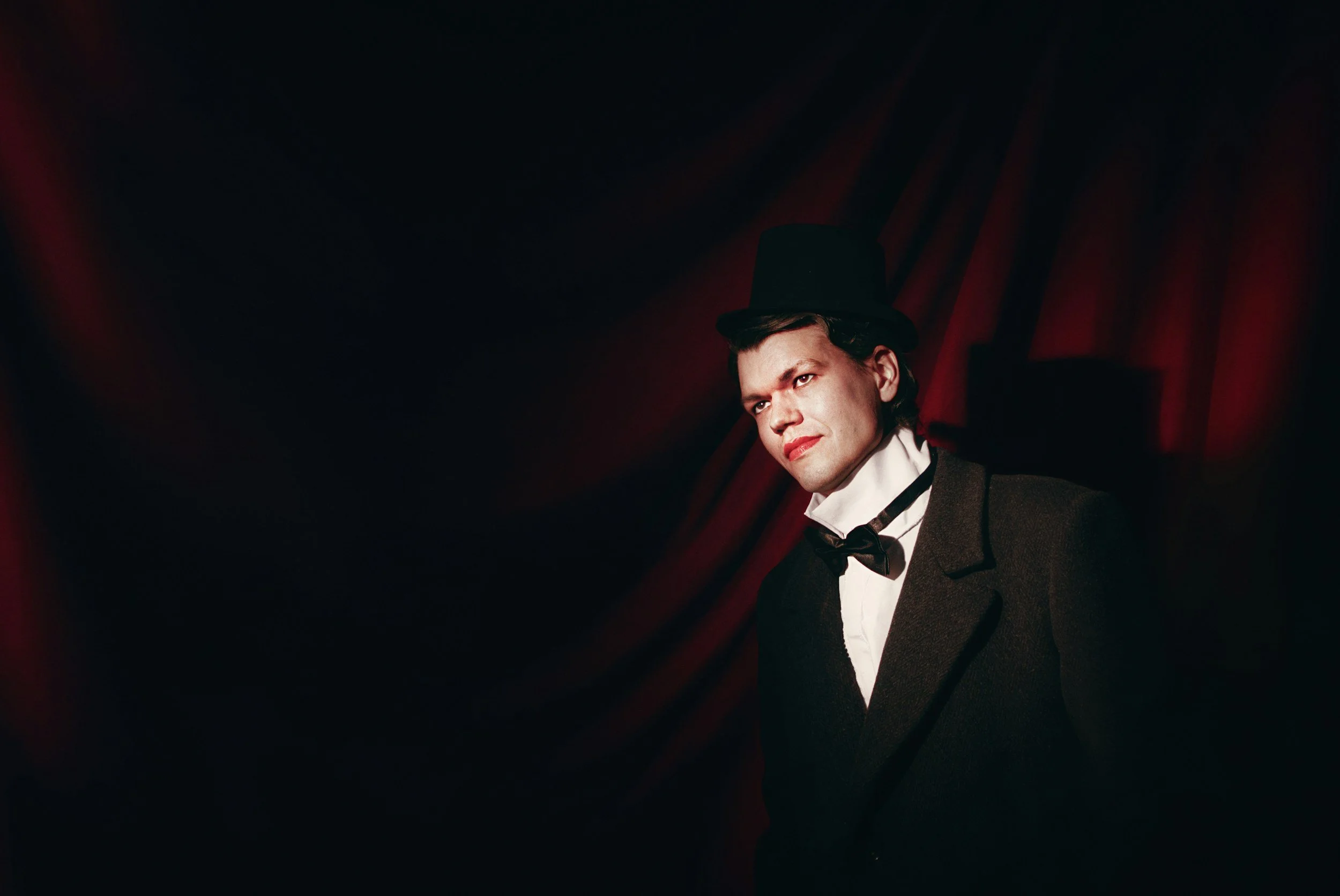
At first glance, magic can look deceptively simple. A deck of cards, a coin, a borrowed ring—and suddenly something impossible happens. Because of this, many people assume that anyone who knows a few tricks can perform at an event.
But there is a massive difference between a hobbyist who knows magic tricks and a professional magician who can command a room, engage an audience, and deliver a seamless, memorable experience.
If you’re hiring entertainment for an event—or even just trying to understand the craft—this distinction matters more than most people realize.
Let’s break down exactly what separates professional magicians from hobby performers, and why it makes all the difference.
1. Performance vs. Tricks
Hobby Performer:
Focuses on individual tricks
Thinks in terms of “methods”
Performs isolated effects
Professional Magician:
Focuses on the overall experience
Structures a full performance
Connects tricks into a cohesive show
A hobbyist might know how a trick works.
A professional knows how to make it matter.
2. Audience Engagement Skills
Hobby Performer:
May struggle with interaction
Focuses on execution rather than people
Can lose control of attention
Professional Magician:
Reads the room instantly
Engages different personalities
Maintains attention throughout
Professionals understand that magic isn’t about fooling people—it’s about engaging them.
3. Consistency Under Pressure
Hobby Performer:
Performs casually in low-pressure settings
May struggle with nerves in front of larger audiences
Less prepared for unexpected situations
Professional Magician:
Performs regularly in high-pressure environments
Handles large crowds with confidence
Delivers consistent results every time
Professionals are not just skilled—they are reliable.
4. Experience with Live Events
Hobby Performer:
Limited real-world experience
May not understand event flow
Less familiar with different audience types
Professional Magician:
Experienced across weddings, corporate events, parties, and more
Understands timing, pacing, and logistics
Adapts to different environments seamlessly
Experience teaches things that practice alone cannot.
5. Adaptability and Improvisation
Hobby Performer:
Relies heavily on rehearsed routines
Struggles when things don’t go as planned
Professional Magician:
Adjusts instantly to:
Audience reactions
Venue challenges
Timing changes
Improvises naturally without breaking flow
Live events are unpredictable—and professionals are prepared for that.
6. Communication and Professionalism
Hobby Performer:
May have unclear communication
Limited booking experience
Less structured approach
Professional Magician:
Communicates clearly and promptly
Understands contracts, scheduling, and expectations
Provides a smooth booking experience
Professionalism off-stage is just as important as performance on-stage.
7. Audience Management
Hobby Performer:
May struggle with:
Interruptions
Disruptive guests
Large groups
Professional Magician:
Controls attention effortlessly
Handles difficult situations smoothly
Keeps the audience engaged and focused
This skill is critical—especially at events with mixed personalities.
8. Depth of Skill
Hobby Performer:
Knows a selection of tricks
Often relies on simpler methods
Professional Magician:
Has deep technical skill
Masters sleight of hand, timing, and psychology
Continuously refines techniques
Professionals don’t just know tricks—they master the craft behind them.
9. Understanding of Psychology
Hobby Performer:
Focuses on mechanics
Professional Magician:
Understands:
Attention control
Perception
Human behavior
Magic is as much about psychology as it is about technique.
Professionals use this knowledge to create stronger, more convincing experiences.
10. Show Structure and Flow
Hobby Performer:
Performs tricks one after another
Professional Magician:
Designs a structured experience:
Strong opening
Engaging middle
Memorable ending
They understand pacing, rhythm, and emotional build.
11. Customization for Events
Hobby Performer:
Performs the same material regardless of audience
Professional Magician:
Tailors performances to:
Event type
Audience demographics
Client goals
Customization increases impact significantly.
12. Equipment and Preparation
Hobby Performer:
May rely on minimal or inconsistent setup
Professional Magician:
Uses reliable, well-maintained equipment
Prepares thoroughly for each event
Plans for contingencies
Preparation ensures smooth execution.
13. Time and Financial Investment
Hobby Performer:
Practices occasionally
Invests limited time and resources
Professional Magician:
Invests years (often decades) into the craft
Spends on:
Training
Materials
Travel
Performance development
Professional-level magic is the result of long-term commitment.
14. Ability to Create Memorable Moments
Hobby Performer:
May impress briefly
Professional Magician:
Creates lasting memories
Builds emotional reactions
Leaves a strong impression
The difference is not just what people see—it’s what they feel.
15. Reliability and Accountability
Hobby Performer:
May cancel or arrive unprepared
Less accountable
Professional Magician:
Shows up on time
Delivers what was promised
Maintains a professional reputation
For events, reliability is non-negotiable.
16. Business Mindset
Hobby Performer:
Performs for fun
Professional Magician:
Treats magic as a business
Focuses on client satisfaction
Builds long-term relationships
This mindset leads to higher standards across the board.
17. Continuous Improvement
Hobby Performer:
May plateau in skill
Professional Magician:
Constantly improves:
Techniques
Presentation
Material
Stays current with trends and audience expectations
Professionals never stop learning.
Why This Difference Matters for Your Event
Hiring a magician isn’t just about filling time—it’s about creating an experience.
A hobby performer may:
Perform a few tricks
Entertain briefly
A professional magician will:
Engage your guests
Manage the room
Adapt to your event
Deliver a seamless experience
Create memorable moments
That difference can define the success of your event.
Final Thoughts
Magic may look effortless—but true professional performance is anything but.
The gap between a hobbyist and a professional magician comes down to:
Experience
Skill
Audience connection
Reliability
Performance quality
In the end, a professional magician doesn’t just show tricks.
They create an experience that feels polished, engaging, and unforgettable.
And when you’re planning an important event, that level of quality is not just a bonus.
It’s essential.