How to Choose the Right Magician for Your Event (Weddings, Corporate Events, and Private Parties)
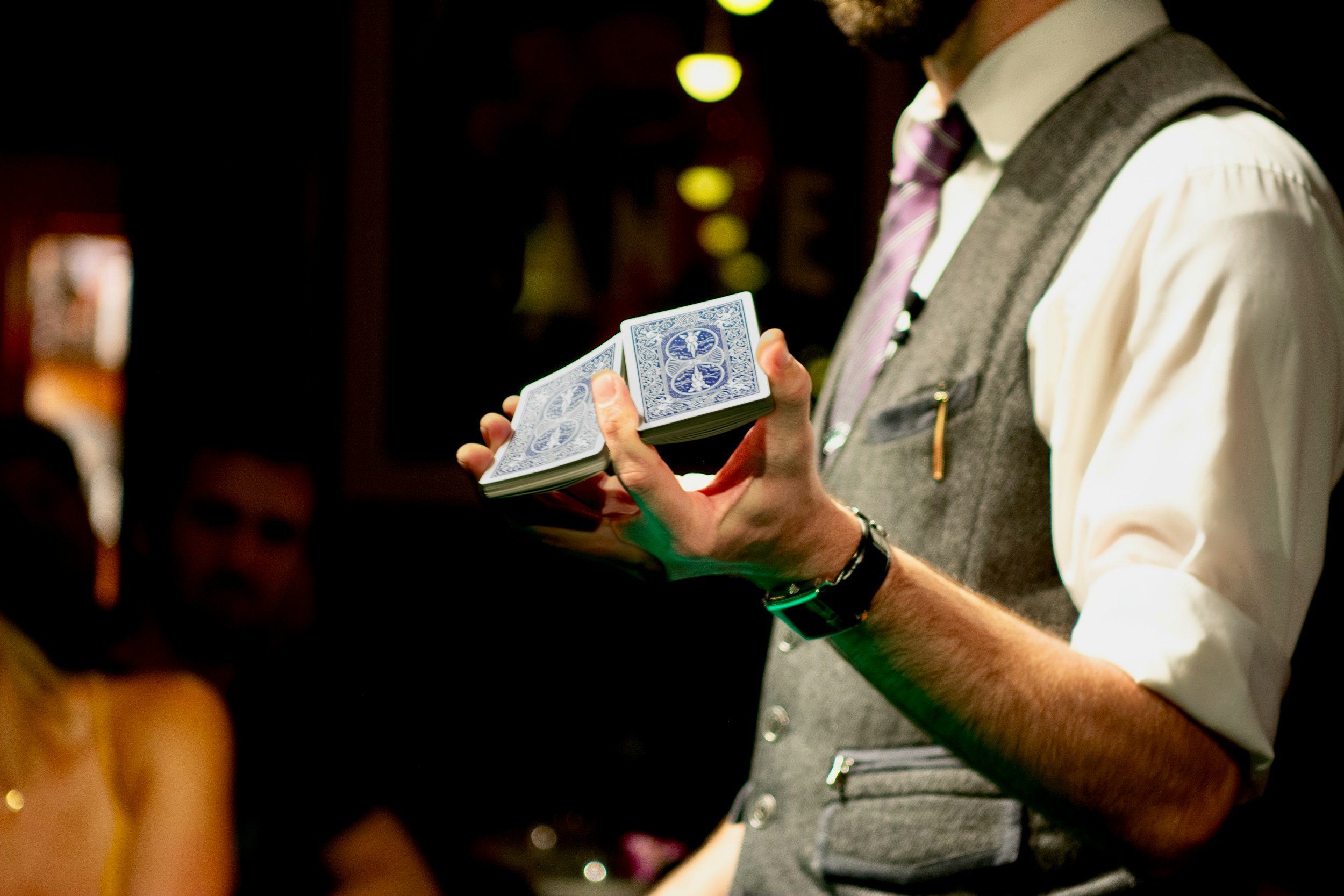
Choosing the right magician for an event is one of those decisions that seems simple on the surface—but can dramatically impact the overall success of your gathering. Whether it’s a wedding reception, a corporate gala, a birthday celebration, or a private dinner party, the right magician can elevate the atmosphere, break the ice between guests, and create unforgettable shared moments.
However, not all magicians are the same. Magic is a broad art form with many styles, personalities, and performance formats. A magician who is perfect for a lively wedding crowd may not be suitable for a formal corporate awards dinner. Likewise, a high-energy stage illusionist may not be ideal for an intimate cocktail reception.
This guide breaks down everything you need to know to choose the perfect magician for your event. It covers performance styles, audience types, event goals, budgeting, booking tips, and red flags to avoid—so you can confidently hire an entertainer who fits your vision.
Why Hiring the Right Magician Matters
Magic is unique compared to other forms of entertainment because it is interactive, emotional, and highly dependent on audience engagement. Unlike music or decor, magic directly involves your guests. That means the performer’s skill, personality, and style will shape how people remember your event.
A great magician can:
Break the ice between strangers
Energize a slow or formal event
Create shared moments of laughter and surprise
Make guests feel personally involved
Elevate your event’s perceived quality
Provide photo-worthy reactions and memories
A poor fit, however, can lead to awkward pacing, disengaged guests, or a performance that feels out of place.
Choosing carefully ensures your entertainment becomes a highlight—not a distraction.
Step 1: Understand the Different Types of Magicians
Before you can choose the right magician, you need to understand the main categories of magic performances. Each style creates a very different experience.
1. Close-Up Magicians (Walkaround or Table Magic)
Close-up magicians perform directly in front of guests, often within arm’s reach. They typically move from group to group performing short, interactive routines.
Best for:
Weddings (cocktail hour, reception)
Corporate networking events
Private parties
Restaurant events
Advantages:
Highly interactive
Great icebreaker for guests who don’t know each other
No stage required
Flexible and portable
Experience style:
Guests see impossible magic happening right in their hands—cards change, coins vanish, objects teleport. The experience feels personal and spontaneous.
When NOT to choose:
Large audiences expecting a stage show
Events requiring structured seating entertainment
2. Stage Magicians
Stage magicians perform for a seated audience, usually from a platform or stage. Their performances often include large illusions, assistants, lighting effects, and music.
Best for:
Corporate galas
Large weddings
Award ceremonies
Theater-style events
Advantages:
Suitable for large groups
High production value
Visually impressive
Structured entertainment segment
Experience style:
Expect grand illusions such as levitations, disappearances, mind-reading acts, and dramatic storytelling.
When NOT to choose:
Small or informal gatherings
Events without stage or sound setup
3. Mentalists
Mentalists focus on psychological illusion, mind reading, predictions, and behavioral influence.
Best for:
Corporate events
High-end private functions
Luxury weddings
Executive dinners
Advantages:
Sophisticated and elegant
Highly engaging for adults
Creates strong emotional reactions
Works well in seated or small-group environments
Experience style:
Guests feel as though the performer is reading thoughts, predicting decisions, or influencing behavior.
When NOT to choose:
Children’s parties
Very loud or distracting environments
4. Comedy Magicians
Comedy magicians combine humor and magic for lighthearted entertainment.
Best for:
Birthday parties
Casual weddings
Family events
Social gatherings
Advantages:
Very entertaining and relaxed
Appeals to wide age groups
Great for breaking tension
Experience style:
Fast-paced tricks mixed with jokes, audience participation, and playful surprises.
When NOT to choose:
Formal corporate galas
Events requiring elegant tone
5. Illusionists
Illusionists specialize in large-scale effects and dramatic stage performances.
Best for:
Large weddings
Corporate productions
Theaters and conventions
Advantages:
High-impact visual moments
Professional production quality
Strong “wow factor”
Experience style:
Sawing people in half, disappearing acts, levitations, and dramatic transformations.
When NOT to choose:
Small venues
Low-budget events
Step 2: Define Your Event Type Clearly
The next step is to understand your event structure. The same magician will perform differently depending on the setting.
Weddings
Weddings are emotional, social, and often unpredictable in pacing. Guests are usually mixed in age and familiarity.
Best magician types:
Close-up magicians during cocktail hour
Stage magicians for reception entertainment
Light comedy magicians for casual weddings
What works best:
Interactive magic that gets guests talking
Visual tricks that photograph well
Performers who blend into social flow
Avoid:
Overly intense mentalism (unless carefully tailored)
Long, formal stage monologues
Corporate Events
Corporate audiences are often more reserved and professional. Entertainment must balance sophistication with engagement.
Best magician types:
Mentalists
Corporate close-up magicians
Professional stage illusionists
What works best:
Clean, polished presentation
Networking-friendly walkaround magic
Brand-conscious performance style
Avoid:
Crude humor
Overly childish tricks
Disruptive audience participation
Private Parties
These include birthdays, anniversaries, family gatherings, and social celebrations.
Best magician types:
Comedy magicians
Close-up magicians
Interactive mentalists
What works best:
Flexible performers who adapt to mood
High energy engagement
Personalized tricks involving guests
Avoid:
Overly formal or corporate tone
Large stage illusions (unless venue supports it)
Step 3: Know Your Audience
A great magician adapts their performance to the audience.
Ask yourself:
1. What is the average age of guests?
Kids → visual, funny magic
Adults → close-up or mentalism
Mixed ages → versatile performer
2. What is the cultural background?
Some audiences prefer subtle magic, while others enjoy expressive reactions.
3. What is the social environment?
Networking-heavy → walkaround magic
Seated dinner → structured performance
Party atmosphere → interactive comedy magic
Step 4: Match the Magician’s Personality to Your Event
Magicians are performers first. Personality matters as much as skill.
Common magician personalities:
The Elegant Professional
Calm, polished, sophisticated
Ideal for corporate and weddings
The Energetic Entertainer
High energy, humorous, engaging
Great for parties and weddings
The Mysterious Mentalist
Serious tone, psychological focus
Best for corporate or luxury events
The Comedy Performer
Lighthearted, fun, interactive
Ideal for casual events
Choosing the wrong personality can make even a skilled magician feel out of place.
Step 5: Evaluate Experience and Reputation
Not all magicians are equally experienced.
Look for:
1. Years of professional performance
More experience usually means better crowd control and adaptability.
2. Event specialization
Some magicians focus only on weddings, others on corporate events.
3. Testimonials and reviews
Look for consistent positive feedback, especially from similar event types.
4. Video footage
Watch full performances, not just highlight clips.
Step 6: Watch Performance Videos Carefully
A magician’s promotional video can be misleading if not examined properly.
When watching videos, check:
Audience reactions (real or staged?)
Full tricks vs edited cuts
Energy level consistency
Interaction style with guests
Professionalism and pacing
If possible, request full live performance footage.
Step 7: Understand Pricing Structures
Magician pricing varies widely depending on experience, location, and event type.
Typical pricing factors:
Duration of performance
Travel requirements
Event type (weddings and corporate events often cost more)
Stage setup requirements
Reputation and demand
General pricing tiers:
Beginner performers: budget-friendly, less experience
Mid-level professionals: balanced quality and pricing
Top-tier entertainers: high-end, polished, experienced performers
Remember: cheaper is not always better. A weak performance can negatively impact your entire event experience.
Step 8: Ask the Right Questions Before Booking
When contacting a magician, ask:
1. Have you performed at events like mine before?
2. What type of magic do you specialize in?
3. How do you adapt to different audiences?
4. Do you require any technical setup?
5. Can you customize tricks for my event?
6. What is your cancellation policy?
7. Do you have liability insurance? (important for corporate events)
A professional magician will answer clearly and confidently.
Step 9: Red Flags to Avoid
Be cautious if you notice:
No live performance videos
Overuse of flashy edited clips
Vague pricing with hidden fees
No clear event experience
Poor communication
Overpromising unrealistic effects
No testimonials or reviews
Professional magicians are transparent about their work.
Step 10: Booking Timing Matters
Good magicians are often booked months in advance, especially during peak wedding and holiday seasons.
Recommended booking timeline:
Weddings: 6–12 months in advance
Corporate events: 2–6 months
Private parties: 1–3 months
Booking early ensures better availability and more choice.
Step 11: Customize the Experience
The best magicians can personalize their performance.
You can request:
Tricks involving the couple’s names (weddings)
Company branding integration (corporate events)
Themed magic routines
Audience participation moments
Personalized predictions or reveals
Customization makes the performance more memorable.
Step 12: Think About Event Flow
Magic should enhance—not interrupt—your event.
Ideal placements:
Cocktail hour (best for close-up magic)
Between dinner courses (light walkaround magic)
After speeches (stage performance)
During reception transitions
Avoid scheduling magic during critical speeches or emotional moments.
Step 13: The Importance of First Impressions
A magician often sets the tone for the entire event.
When guests arrive and immediately experience something impossible, it creates:
Excitement
Curiosity
Social interaction
Positive energy
This ripple effect improves the entire atmosphere of your event.
Step 14: How Magicians Enhance Photography and Social Media
Modern magic events are highly visual.
Great magic moments produce:
Shocked facial expressions
Group reactions
Shareable video clips
Viral social media content
Many event planners now consider magic part of their “content strategy.”
Step 15: Final Checklist for Choosing the Right Magician
Before making your final decision, confirm:
Style matches your event type
Personality fits audience tone
Experience aligns with event size
Budget is realistic
Reviews are positive
Videos show real performances
Timing and logistics are clear
Final Thoughts
Choosing the right magician for your event is about more than finding someone who can perform tricks. It’s about selecting an entertainer who understands your audience, enhances your event’s atmosphere, and creates memorable shared experiences.
Weddings benefit from emotional and interactive magic. Corporate events require professionalism and sophistication. Private parties thrive on humor and energy.
When you match the right magician to the right environment, you don’t just hire entertainment—you create moments people will remember long after the event ends.
A truly great magician doesn’t just perform magic.
They transform the entire experience of your event.