The Difference Between Close-Up Magic and Stage Magic
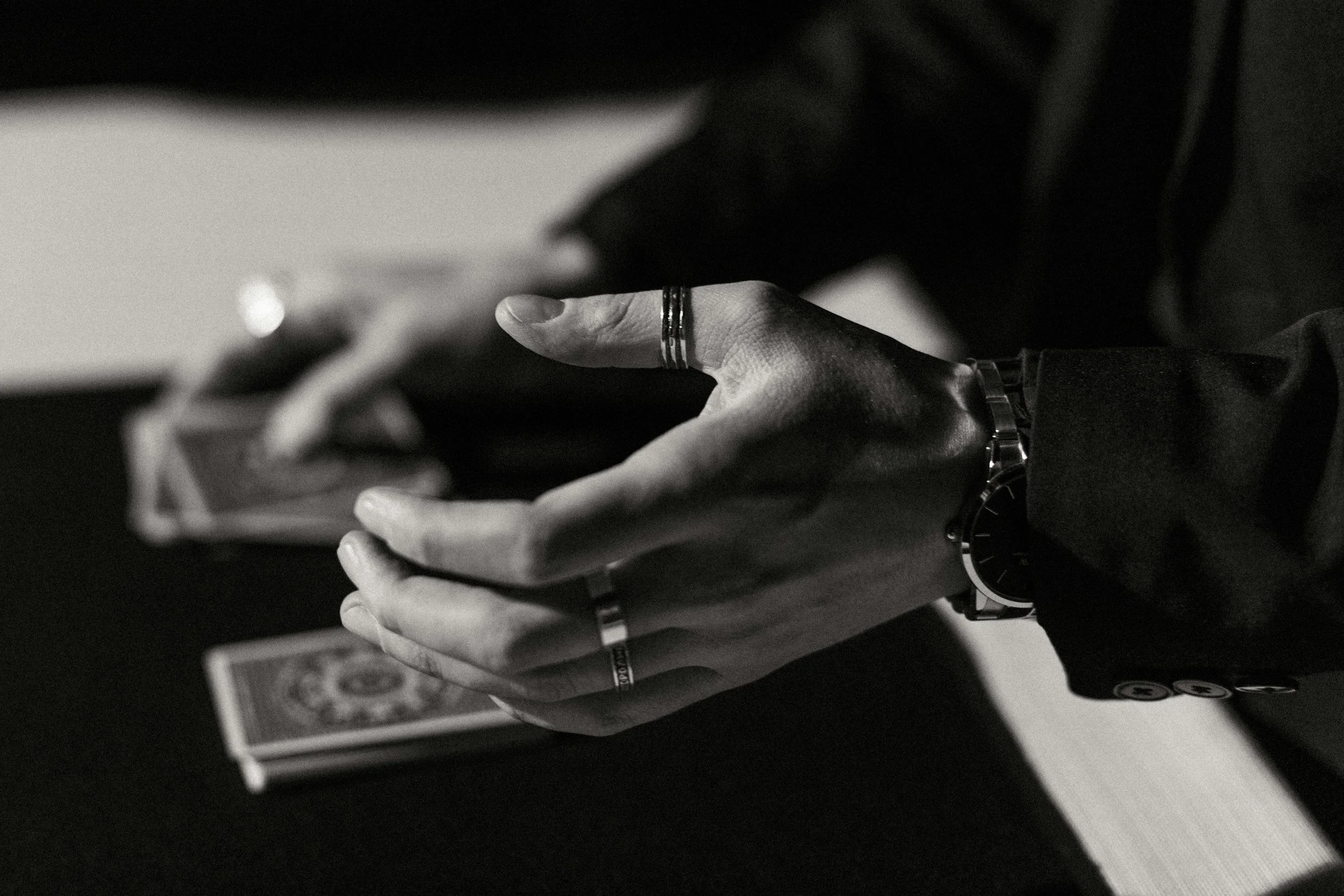
Magic is not a single performance style—it is a wide spectrum of entertainment formats that vary dramatically in scale, audience experience, technique, and presentation. Two of the most common and important categories are close-up magic and stage magic.
While both aim to create the same core reaction—astonishment and wonder—they achieve it in very different ways. Understanding the difference between them is essential whether you’re hiring a magician for an event, studying magic as a craft, or simply trying to appreciate how modern illusion works.
This guide breaks down both styles in detail, compares their strengths and weaknesses, and explains when each type works best.
What Is Close-Up Magic?
Close-up magic is a style of performance where tricks are performed within arm’s reach of the audience, often just inches away. It typically uses small objects like playing cards, coins, rings, bills, or borrowed items.
Unlike stage magic, close-up magic is intimate, interactive, and highly personal. The audience is not watching from a distance—they are part of the experience.
Key Characteristics of Close-Up Magic
1. Intimacy
Close-up magic is performed for small groups or individual spectators. This creates a sense of direct connection between magician and audience.
The magician is often standing right next to you, sometimes even using your own hands or belongings in the trick.
2. Portability
No stage, lighting rig, or large props are needed. A close-up magician can perform almost anywhere:
Weddings
Cocktail receptions
Corporate networking events
Restaurants
Private parties
This flexibility makes it one of the most practical forms of magic entertainment.
3. Interaction-Based Performance
Close-up magic relies heavily on audience participation. Guests are often asked to:
Choose cards
Hold objects
Sign bills or cards
Make free choices
This interaction increases the emotional impact because spectators feel personally involved in the illusion.
4. Psychological Impact
Because the tricks happen so close, audiences often feel:
“There is no way this can be faked”
“It happened in my hands”
“I was watching carefully and still missed it”
This creates a powerful illusion of impossibility.
Famous Close-Up Magicians
Some of the greatest magicians in the world specialize in close-up and sleight-of-hand magic.
Shin Lim
Shin Lim
Shin Lim is widely considered one of the most visually stunning close-up card magicians in modern history. His silent, music-driven performances focus on flawless sleight of hand and choreography.
Juan Tamariz
Juan Tamariz
A legendary figure in card magic, Tamariz is known for his deep understanding of psychology, misdirection, and audience engagement.
Ricky Jay
Ricky Jay
Famous for extraordinary card handling skills and historical knowledge of magic.
Strengths of Close-Up Magic
Close-up magic is powerful because it creates personal astonishment.
1. Extremely High Engagement
People are not passive observers—they are active participants.
2. Strong Emotional Reaction
Because tricks happen in real time and close proximity, reactions are often more intense than stage magic.
3. Perfect for Social Settings
Close-up magic breaks the ice and encourages conversation among guests.
4. No Technical Setup Needed
It works in almost any environment without equipment.
Limitations of Close-Up Magic
Despite its strengths, close-up magic has some limitations:
1. Small Audience Reach
Only a few people can experience each performance at a time.
2. Less Visual Impact for Large Groups
It is not designed for hundreds of people watching simultaneously.
3. Requires Movement
The magician must walk around and engage multiple groups, which may not suit every event structure.
What Is Stage Magic?
Stage magic is a performance style designed for large audiences viewing from a distance, usually in theaters, banquet halls, or arenas.
It involves bigger illusions, theatrical lighting, music, choreography, and sometimes assistants or elaborate props.
Key Characteristics of Stage Magic
1. Large-Scale Performance
Stage magicians perform for hundreds or even thousands of people at once.
The goal is not intimacy—it is spectacle.
2. Visual Illusions
Stage magic relies heavily on visual impact, such as:
Disappearances
Levitation
Sawing people in half
Large object transformations
Escape acts
3. Theatrical Presentation
Stage magic is closer to theater or concert performance than casual entertainment. It includes:
Music
Lighting design
Storytelling
Costumes
Stage choreography
4. Structured Show Format
Unlike close-up magic, stage performances follow a fixed script or routine, often lasting 30–90 minutes.
Famous Stage Magicians
Some of the most iconic magicians in history are stage performers.
David Copperfield
David Copperfield
One of the most successful magicians of all time, known for large-scale illusions like making the Statue of Liberty disappear and walking through the Great Wall of China.
Penn & Teller
Penn & Teller
A legendary duo blending stage illusions, comedy, and skepticism in theatrical performances.
Criss Angel
Criss Angel
Known for edgy, high-energy stage illusions and televised performances.
Strengths of Stage Magic
Stage magic offers a very different set of advantages.
1. Large Audience Experience
Hundreds or thousands of people can experience the magic at the same time.
2. High Visual Impact
Big illusions create unforgettable “wow” moments that are visually dramatic.
3. Theatrical Storytelling
Stage magicians can build emotional arcs, narratives, and dramatic tension.
4. Production Value
Lighting, music, and staging enhance the experience significantly.
Limitations of Stage Magic
1. Less Personal Interaction
Audience members are typically passive observers.
2. Requires Venue Setup
Needs stage, sound systems, lighting, and often assistants.
3. Higher Cost
Production requirements often make stage magic more expensive.
Close-Up Magic vs Stage Magic: Key Differences
Now that we understand both styles, let’s compare them directly.
1. Audience Size
Close-Up Magic: 1–10 people at a time
Stage Magic: 50–10,000+ people
Close-up magic prioritizes intimacy, while stage magic prioritizes scale.
2. Experience Type
Close-Up Magic: Personal, interactive, immersive
Stage Magic: Spectacular, theatrical, observational
Close-up magic feels like a secret happening in your hands. Stage magic feels like a show happening in front of you.
3. Distance from Performer
Close-Up Magic: Inches away
Stage Magic: Several meters away
This affects perception. Close-up magic creates the illusion of impossibility in real time, while stage magic relies on visual deception from a distance.
4. Skill Set Required
Close-up magicians need:
Sleight of hand
Misdirection
Psychological timing
Dexterity
Stage magicians need:
Theatrical direction
Stage blocking
Large illusion mechanics
Audience management
5. Equipment and Setup
Close-Up Magic: Minimal props (cards, coins, borrowed objects)
Stage Magic: Large props, assistants, lighting, stage equipment
6. Audience Reaction
Close-Up Magic: Shock, disbelief, laughter, personal amazement
Stage Magic: Awe, applause, collective amazement
Close-up magic often produces more vocal, personal reactions, while stage magic creates shared spectacle moments.
7. Cost and Production
Close-Up Magic: Generally lower cost
Stage Magic: Higher cost due to production requirements
Which One Is Better for Events?
The answer depends entirely on the type of event.
Weddings
Best choice: Close-Up Magic + Light Stage Segment
Weddings benefit from both styles:
Close-up magic during cocktail hour helps guests interact
Stage magic can serve as a central entertainment moment during reception
Close-up magic is especially effective because it helps guests from different social groups connect naturally.
Corporate Events
Best choice: Close-Up Magic or Mentalism
Corporate events often prioritize networking and professionalism.
Close-up magic works perfectly during:
Cocktail networking sessions
Dinner transitions
Break periods
Stage magic works well for:
Award ceremonies
Large gala dinners
Private Parties
Best choice: Close-Up Magic or Comedy Magic
Small gatherings benefit most from interactive entertainment.
Stage magic is usually unnecessary unless the event is large.
Large Events and Conferences
Best choice: Stage Magic
For audiences of hundreds or thousands, stage magic is essential.
It ensures everyone shares the same experience simultaneously.
Hybrid Performers: The Best of Both Worlds
Some modern magicians combine both styles.
For example:
David Blaine
David Blaine
Blends close-up street magic with large televised endurance stunts.Dynamo
Dynamo
Combines close-up magic with cinematic presentations.
These performers demonstrate that modern magic is increasingly flexible and hybrid in nature.
Psychological Difference Between the Two Styles
The biggest difference between close-up and stage magic is not technical—it is psychological.
Close-Up Magic Psychology
Close-up magic works because:
The audience feels in control
They believe “nothing is hidden”
They experience direct involvement
The impossibility feels immediate
This creates a strong personal connection.
Stage Magic Psychology
Stage magic works because:
The audience expects spectacle
Attention is directed and controlled
Scale creates emotional impact
The performance feels larger than life
This creates collective awe.
Why Close-Up Magic Often Feels More “Impossible”
Even though stage magic can involve massive illusions, many people find close-up magic more shocking.
Why?
Because:
The trick happens in your hands
There is no stage distance to hide behind
You are actively trying to detect the method
Your attention is fully engaged
This is why magicians like Shin Lim and Ricky Jay are so respected—they perform miracles at the closest possible range.
Why Stage Magic Feels More “Spectacular”
Stage magic creates impact through scale.
A disappearing elephant or levitating assistant cannot be experienced the same way in close-up form.
Stage magic is about:
Visual grandeur
Shared audience reaction
Emotional buildup
Dramatic reveal
It feels like watching something impossible happen in real time on a massive scale.
How Magicians Train for Each Style
Close-Up Training
Daily card handling practice
Finger dexterity exercises
Psychological timing drills
Audience misdirection study
Stage Training
Choreography and movement rehearsal
Timing with lighting and music
Large prop coordination
Stage presence development
Each style requires a completely different professional skillset.
The Future: Blending Both Worlds
Modern magic is increasingly hybrid.
Many performers now combine:
Close-up intimacy
Stage-scale visuals
Digital effects
Social media storytelling
Audiences today expect variety, and the most successful magicians adapt accordingly.
Final Thoughts
Close-up magic and stage magic are not competing forms of entertainment—they are complementary expressions of the same art.
Close-up magic excels in intimacy, interaction, and psychological impact. Stage magic excels in spectacle, scale, and theatrical storytelling.
The best choice depends entirely on your event goals:
Want personal connection and interaction? Choose close-up magic.
Want spectacle and large-scale impact? Choose stage magic.
Want the best experience overall? Combine both.
Ultimately, magic is not about the size of the stage or the distance from the audience.
It is about one thing:
Creating moments where people genuinely feel impossible things are happening in front of them.
And whether it happens in your hands or across a grand stage, that feeling is what makes magic timeless.
:::