How Virtual Magic Shows Work (and Why They Still Amaze Audiences)
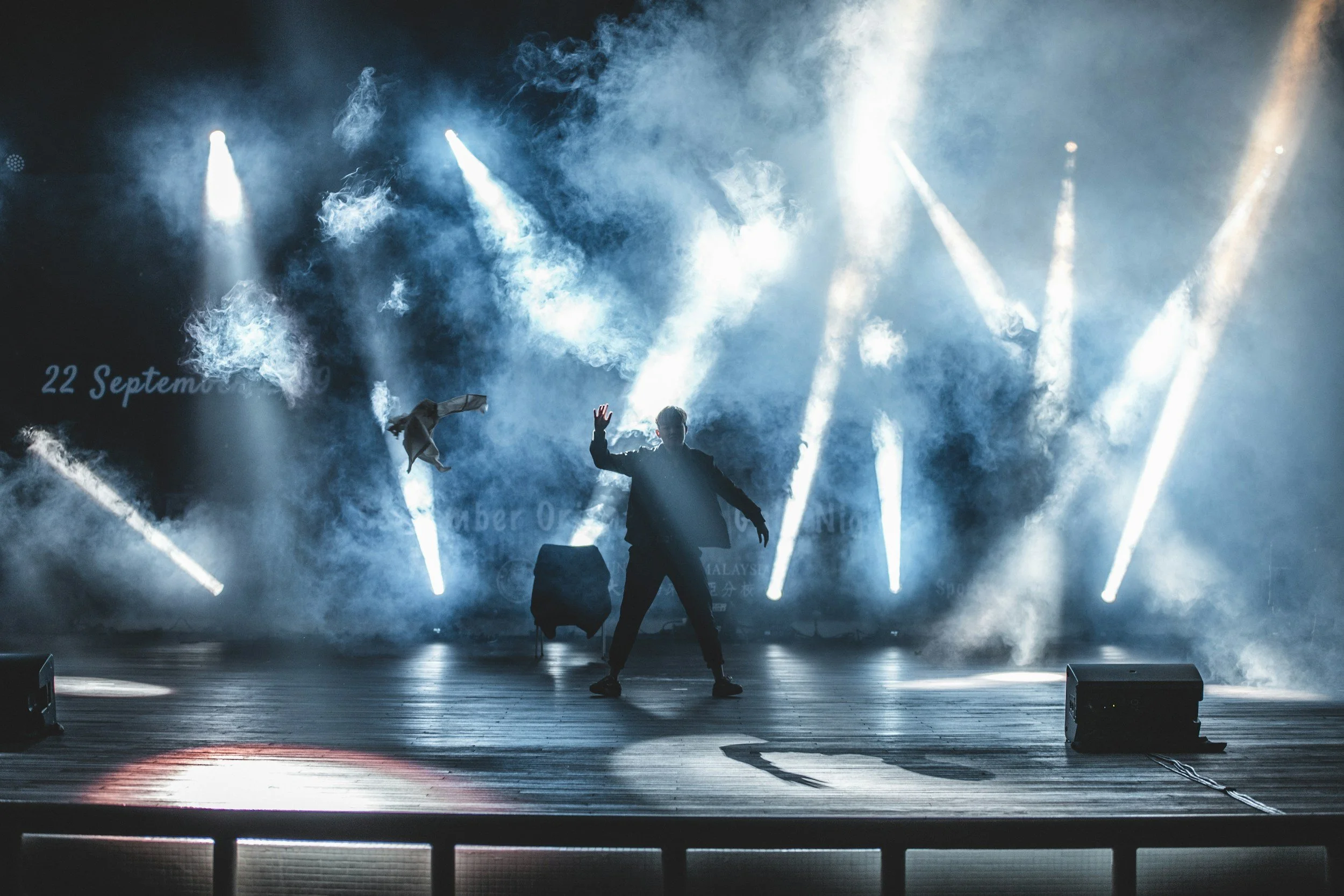
Virtual magic shows have transformed the entertainment industry in ways few people expected. What once seemed impossible—delivering interactive, mind-blowing magic through a screen—has now become a thriving and highly effective form of live entertainment.
Whether for corporate teams, remote celebrations, online conferences, or global audiences, virtual magicians have proven that distance does not diminish wonder. In many cases, it enhances it.
But how exactly do virtual magic shows work? And more importantly, why do they still feel so powerful, even without a physical stage?
This comprehensive guide explains everything—from the technology behind virtual magic to the psychology that makes it just as astonishing as live performances.
1. What Is a Virtual Magic Show?
A virtual magic show is a live, interactive performance delivered through video conferencing platforms such as Zoom, Microsoft Teams, Google Meet, or custom streaming platforms.
Unlike pre-recorded content, virtual magic is typically performed in real time, allowing direct audience interaction, participation, and engagement.
The key difference is simple:
Traditional magic: performed in person
Virtual magic: performed through a screen
But the experience is far more sophisticated than just “watching magic online.”
2. The Core Components of a Virtual Magic Show
A successful virtual magic show relies on three essential elements:
1. Live Performance
The magician performs in real time, often from a studio or controlled environment. This ensures:
Authentic reactions
Real-time interaction
Flexibility based on audience energy
2. Audience Interaction
Audience participation is built into the show. This may include:
Speaking directly with participants
Using chat features
Asking viewers to make choices
Calling on volunteers
Using webcams for interaction
3. Screen-Based Illusion Design
Virtual magic is not just traditional tricks done on camera. It is designed specifically for the digital environment.
Magicians adapt their methods to:
Camera framing
Screen perspective
Digital tools
Audience attention patterns
3. How Virtual Magic Tricks Actually Work
While magicians never reveal their exact methods, we can explain the categories of techniques used in virtual magic.
A. Visual Close-Up Magic for Camera
This includes:
Card tricks
Coin tricks
Object transformations
Sleight of hand
These tricks are adapted for camera angles to ensure clarity and impact.
The camera acts as the “audience’s eyes,” so everything is optimized for visibility and deception.
B. Interactive Choice-Based Magic
One of the most powerful aspects of virtual magic is decision-based illusions.
Examples include:
Think of any number
Choose a card mentally
Pick a word or object
Make free decisions
The magician then reveals predictions that match those choices.
This works extremely well online because:
Each participant feels individually involved
The illusion feels personal, even in large groups
C. Mentalism and Psychological Illusions
Virtual magic heavily leans on mentalism because it translates perfectly to digital environments.
Common effects include:
Mind reading
Predictions
Influence experiments
Memory demonstrations
Because these effects rely on thought processes rather than physical props, they work seamlessly over video.
D. Household Object Magic
Some virtual magicians involve items viewers already have at home.
Examples:
Playing cards
Phones
Coins
Paper and pen
This creates a powerful effect:
The magic happens in the participant’s own hands—even though the magician is remote.
E. Digital Magic and Screen Effects
Modern virtual magic may incorporate:
On-screen graphics
Digital predictions
Interactive apps
Visual overlays
However, professional magicians use these sparingly to maintain authenticity.
4. Why Virtual Magic Still Feels Real
At first glance, it might seem like virtual magic would feel less convincing than live performance.
In reality, many audiences find it equally—or even more—astonishing.
Here’s why:
1. The Screen Creates Focus
In live environments, distractions are everywhere.
In virtual shows:
The screen controls attention
The magician controls pacing
Visual focus is tighter
This actually strengthens misdirection.
2. Personal Participation
Virtual magic often involves:
Individual choices
Direct interaction
Personalized outcomes
This makes the experience feel highly personal—even in large groups.
3. Psychological Illusion Is Stronger Than Physical Distance
Many of the strongest magic effects are not visual—they are psychological.
When a magician predicts your thought or influences your decision, distance becomes irrelevant.
4. The “Impossible Location” Effect
When magic happens through a screen, the brain struggles with a new question:
“How can this be happening when the performer is not physically here?”
This adds an extra layer of mystery.
5. Types of Virtual Magic Shows
Virtual magic shows are not one-size-fits-all. They are tailored to different event types.
Corporate Virtual Magic Shows
These are the most popular format.
Features:
Team-building interaction
Company branding integration
Group participation
Clean, professional presentation
Common uses:
Remote team events
Holiday parties
Client engagement sessions
Virtual conferences
Virtual Private Party Shows
Used for birthdays, anniversaries, and celebrations.
Features:
Personalized routines
Guest involvement
Lighthearted tone
Flexible structure
Virtual Stage Shows
These are larger, more structured performances delivered to large audiences.
Features:
Hosted presentation
Spotlighted participants
Structured beginning, middle, end
Designed for hundreds of viewers
Virtual Close-Up Sessions
Small group magic experiences.
Features:
Breakout room performances
Intimate interaction
High engagement level
6. The Technology Behind Virtual Magic
Virtual magic relies on a combination of:
1. Video Conferencing Platforms
Common platforms:
Zoom
Microsoft Teams
Google Meet
Webinar platforms
Each offers different levels of interaction.
2. Camera Setup
Professional magicians use:
High-quality cameras
Multiple angles (sometimes)
Controlled framing
Studio lighting
This ensures clarity and professionalism.
3. Audio Quality
Clear sound is critical.
Magicians often use:
External microphones
Audio mixing tools
4. Internet Stability
A strong internet connection ensures:
Smooth performance
No lag during key moments
Consistent interaction
5. Backup Systems
Professional performers often have:
Backup internet connections
Redundant equipment
Contingency plans
This ensures reliability.
7. What Makes a Virtual Magician Different
Not every magician can perform virtually.
Virtual magic requires additional skills:
1. On-Camera Presence
Performers must:
Be engaging through a screen
Maintain energy digitally
Connect without physical presence
2. Technical Understanding
They must understand:
Camera framing
Lighting
Audio setup
Platform features
3. Adaptability
Virtual audiences behave differently than live ones.
Magicians must:
Read digital cues
Adjust pacing
Manage group interaction
4. Script Design
Virtual shows are tightly scripted to maintain flow and engagement.
8. Common Audience Experiences
During a virtual magic show, you can expect:
Being asked to participate
Making choices or decisions
Watching others react live
Seeing impossible outcomes unfold
Laughing and interacting with others
Experiencing surprise and disbelief
Even through a screen, reactions are often:
Loud
Emotional
Shared across the group
9. Advantages of Virtual Magic Shows
Virtual magic offers unique benefits.
1. Global Accessibility
People from different countries can attend the same show.
2. Cost Efficiency
No travel or venue costs.
3. Convenience
Guests can join from anywhere.
4. Scalable Audience Size
Shows can accommodate:
Small teams
Large conferences
5. Unique Experience
Virtual magic feels different from live shows, offering a fresh perspective.
10. Limitations of Virtual Magic
While powerful, virtual magic has some limitations.
1. No Physical Presence
There is no in-person energy or atmosphere.
2. Screen Fatigue
Long online events can reduce attention span.
3. Technical Issues
Internet problems can disrupt flow.
4. Limited Physical Interaction
Guests cannot physically examine objects.
11. Why Virtual Magic Became So Popular
Virtual magic rose significantly during global lockdowns and remote work transitions.
However, it remained popular because:
Companies embraced remote culture
Hybrid events became standard
Global teams needed shared experiences
Digital entertainment evolved
Virtual magic filled a unique gap in interactive online entertainment.
12. The Future of Virtual Magic
Virtual magic is not a temporary trend—it is now a permanent category.
Future developments may include:
Augmented reality integration
Interactive apps
Hybrid live + virtual performances
AI-driven audience interaction
Enhanced digital illusions
Magicians will continue blending technology with traditional techniques.
13. Tips for Getting the Best Experience
If you’re attending a virtual magic show:
Join from a quiet environment
Turn your camera on (if possible)
Participate when invited
Stay engaged
Avoid multitasking
The more you engage, the stronger the experience.
Final Thoughts
Virtual magic shows prove that wonder is not limited by physical space.
Even through a screen, magicians can create moments that feel impossible, personal, and unforgettable.
By combining psychology, technology, and performance skill, virtual magicians have redefined what live entertainment can be.
They don’t just adapt magic to the digital world—they transform it.
And in doing so, they remind us of something powerful:
Magic is not about where it happens.
It is about how it makes you feel.