What to Expect from a Professional Magic Show
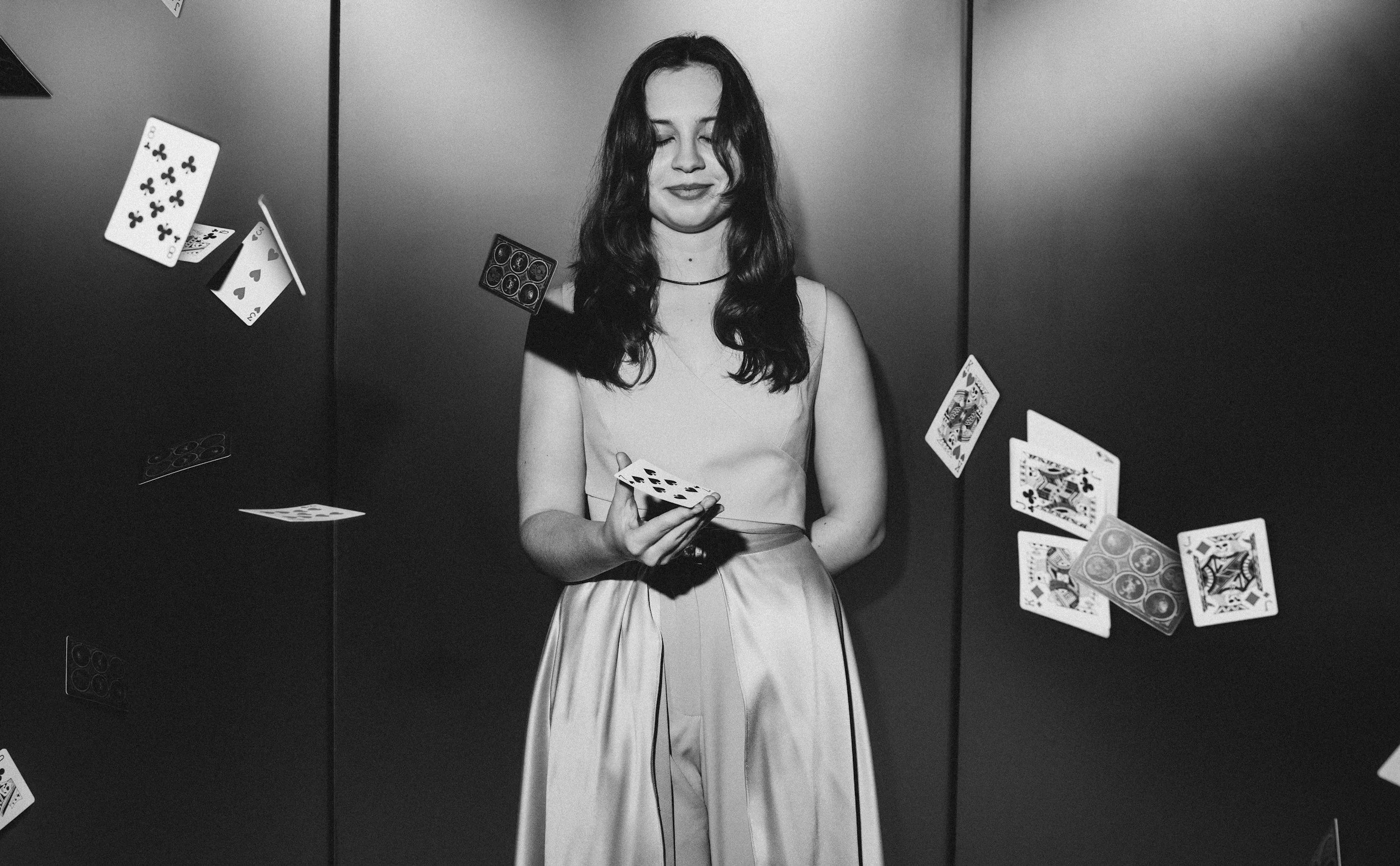
A professional magic show is far more than a series of tricks performed one after another. It is a carefully structured entertainment experience designed to control attention, build emotional anticipation, and create moments of genuine surprise and wonder. Whether you attend a wedding performance, a corporate stage show, a theatre production, or a close-up walkaround act, understanding what to expect can significantly enhance your enjoyment.
Magic shows vary widely depending on the performer’s style and the type of event, but professional magicians share several common elements: structure, audience engagement, storytelling, and polished execution.
This guide breaks down exactly what you can expect from a professional magic show—from the moment the magician arrives to the final applause.
1. The First Impression: Setting the Tone
The experience of a professional magic show begins long before the first trick is performed.
A professional magician understands that first impressions matter. Their entrance, appearance, and early interaction with the audience are carefully designed to establish tone.
What you may notice immediately:
A confident and calm presence
Professional attire suited to the event
Friendly interaction with guests
Observational awareness of the room
Subtle warm-up engagement (especially in close-up magic)
For stage performers, the show may begin with dramatic lighting, music, or a strong opening illusion designed to immediately capture attention.
For walkaround magicians, the experience begins organically as they introduce themselves to small groups and start performing intimate effects.
A seasoned performer knows that the first few minutes determine audience trust and engagement for the entire show.
2. Different Types of Magic Shows You Might Experience
Not all magic shows are the same. A professional magician adapts their performance style based on the event format.
A. Close-Up Magic Shows
Close-up magic is performed inches away from the audience using everyday objects like cards, coins, rings, or borrowed items.
What to expect:
Small group interactions
Personal engagement with guests
Tricks performed in your hands
High levels of audience participation
This format is common at weddings, cocktail receptions, and corporate networking events.
The experience feels casual and conversational, but the magic itself is extremely deceptive and highly technical.
B. Stage Magic Shows
Stage magic is designed for larger audiences and involves theatrical illusions performed from a platform or stage.
What to expect:
Structured show with beginning, middle, and end
Large-scale illusions
Lighting, music, and sound effects
Audience reactions as a group
Stage magic creates shared emotional moments where hundreds of people react simultaneously to the same illusion.
C. Mentalism Shows
Mentalism focuses on psychological illusion, mind reading, prediction, and influence.
What to expect:
Thought reading demonstrations
Audience prediction experiments
Personal revelations
Psychological interaction
Performers such as Derren Brown are known for transforming magic into a deeply intellectual and psychological experience.
D. Comedy Magic Shows
Comedy magic blends humor with illusion.
What to expect:
Lighthearted jokes
Audience participation
Fast-paced tricks
Playful interaction
This style is especially popular for private parties and family events.
E. Illusion Shows
Large-scale illusion shows are theatrical productions involving assistants, props, and dramatic effects.
What to expect:
Big visual moments (disappearances, levitations)
Stage choreography
Music-driven storytelling
High production value
Performers like David Copperfield are famous for cinematic illusion experiences that feel more like theatre than traditional magic.
3. Audience Participation: You Are Part of the Show
One of the most important aspects of a professional magic show is audience involvement.
Unlike movies or theatre, magic is interactive. The magician often relies on audience participation to create effects.
Common ways audiences are involved:
Selecting cards or objects
Signing items for verification
Making free choices
Holding props during tricks
Answering psychological questions
Participating in predictions or experiments
A key point: professional magicians carefully select volunteers based on energy, comfort level, and suitability for the trick.
You will never be forced to participate, but you may be invited to become part of the performance.
4. The Psychology Behind the Experience
A professional magic show is built on deep psychological principles.
Magicians are not just performing tricks—they are guiding attention, perception, and expectation.
Key psychological elements include:
Attention control
Magicians direct where you look and when you look away.
Misdirection
Not distraction—but controlled focus manipulation.
Memory gaps
The brain often fails to register subtle actions during high-focus moments.
Assumption bias
Audiences assume certain actions are impossible or irrelevant.
Pattern interruption
Unexpected outcomes break mental prediction models.
A magician like Penn & Teller often uses these principles in combination with comedy and stagecraft to create layered performances that feel both intellectual and surprising.
5. The Structure of a Professional Magic Show
Most professional magic shows follow a carefully designed structure.
1. Opening Routine
The opening is designed to grab attention immediately.
This may include:
A quick visual illusion
A surprising prediction
A direct audience interaction moment
The goal is to establish credibility and curiosity instantly.
2. Building Phase
After the opening, the magician gradually increases complexity.
This phase includes:
Slightly more challenging tricks
Audience engagement
Humor or storytelling
Gradual escalation of impossibility
3. Peak Moments
This is where the strongest illusions occur.
Examples:
Impossible predictions
Vanishes or transformations
Mind-reading revelations
Large-scale illusions (stage shows)
4. Emotional Reset
Professional performers often include lighter moments to reset audience tension and keep engagement balanced.
5. Final Climax
The final trick is usually the strongest effect of the entire show.
It is designed to:
Leave a lasting impression
Generate applause and emotional reaction
Create a memorable ending
6. What You Will Feel During a Magic Show
A professional magic show is designed to create a wide range of emotional responses.
Common reactions include:
Surprise
Unexpected outcomes challenge logical expectations.
Curiosity
Audiences attempt to figure out methods.
Laughter
Especially in comedy magic shows.
Suspicion
Viewers question what they think they saw.
Amazement
A sense of impossibility overrides explanation.
Emotional connection
In storytelling-based performances, emotional depth is often included.
A performer like Shin Lim often creates a quieter, more emotional form of amazement through music-driven card manipulation routines.
7. What You Should NOT Expect
Understanding what a magic show is not helps set realistic expectations.
1. You will not see “real magic”
All professional magic is based on illusion, psychology, and performance skill.
2. You will not always understand how tricks work
Confusion is part of the experience.
3. You will not be able to catch everything
Even highly observant audience members miss key moments due to misdirection.
4. You will not always be the center of attention
Unless you are selected as a participant, you will be part of the audience.
8. The Role of Storytelling in Modern Magic
Modern magic shows often include storytelling elements.
Instead of performing disconnected tricks, magicians build emotional narratives.
Examples include:
Themes of memory and identity
Personal stories about failure or success
Exploration of perception and reality
Humor-driven life anecdotes
Storytelling helps transform magic from “tricks” into a full entertainment experience.
9. How Professional Magicians Handle Mistakes
Even experienced magicians encounter unexpected situations.
A professional magician is trained to:
Recover smoothly from mistakes
Redirect attention seamlessly
Incorporate errors into performance
Maintain audience engagement at all times
This adaptability is one of the key differences between amateur and professional performers.
10. Behind the Scenes: Preparation You Don’t See
A magic show may look spontaneous, but it is often the result of extensive preparation.
Preparation includes:
Rehearsing routines thousands of times
Testing audience reactions
Adjusting timing and pacing
Designing scripts and patter
Practicing misdirection techniques
Coordinating lighting or sound (stage shows)
Professional performers often spend more time preparing than actually performing.
11. Differences Between Live and Television Magic
Television magic is often edited and enhanced, while live magic is raw and unfiltered.
Live magic:
Real-time reactions
No editing
Unpredictable audience interaction
Television magic:
Controlled environment
Camera angle management
Editing and post-production adjustments
This is why seeing a magician live often feels more impactful than watching them online.
12. The Audience’s Role in the Experience
A magic show is a shared experience.
The audience contributes by:
Reacting emotionally
Participating in tricks
Creating atmosphere through energy
Maintaining attention focus
The success of a magic show often depends on the chemistry between performer and audience.
13. Duration of a Professional Magic Show
Typical durations vary depending on format:
Close-up magic: 1–4 hours (roaming)
Stage show: 30–90 minutes
Corporate segments: 10–45 minutes per set
Private party shows: flexible (20–60 minutes)
A professional magician carefully structures pacing to avoid fatigue or overstimulation.
14. Why Professional Magic Feels So Different from Amateur Magic
The difference is not just skill—it is presentation.
Amateur magic:
Focuses on tricks
Limited audience management
Inconsistent pacing
Professional magic:
Focuses on experience
Emotional storytelling
Controlled attention flow
High-quality audience interaction
Professionals understand that magic is not about fooling people—it is about entertaining them.
15. Real-World Example of a Professional Magic Experience
Imagine attending a corporate event.
A magician begins by casually interacting with guests during cocktail hour. Within minutes, small groups are laughing, reacting, and engaging with impossible card tricks happening right in their hands.
Later in the evening, the same magician transitions to a stage performance. Now the entire audience is watching a structured mentalism routine where multiple guests are involved in predictions that seem mathematically impossible.
By the end of the night, guests are discussing what they saw, debating explanations, and sharing reactions.
This layered experience is typical of professional magic shows.
Final Thoughts
A professional magic show is a carefully crafted experience designed to entertain, surprise, and emotionally engage audiences of all types.
Whether you are watching close-up magic performed inches from your eyes or a large-scale stage illusion in a theatre, the core goal remains the same: to create moments that feel impossible in real time.
What separates professional magicians from amateurs is not just technical skill, but their ability to control attention, build emotional arcs, and create shared experiences that stay with audiences long after the show ends.
A great magic show does not simply entertain you for an hour.
It changes the way you think about what is possible—even if only for a little while.