

Unique Wedding Entertainment Ideas Beyond DJs and Bands

DJs and live bands are wedding staples—but if you want your big day to truly stand out, it’s worth exploring entertainment options that go beyond the expected.
Today’s couples are focusing more on interactive, memorable experiences that engage guests, spark conversation, and create moments people will talk about long after the wedding ends.
If you’re looking to elevate your celebration, here are some unique wedding entertainment ideas that go far beyond traditional music.
1. Close-Up Magician (Interactive & Personal)
A close-up magician brings entertainment directly to your guests.
How it works:
Performs during cocktail hour or between dinner courses
Engages small groups at a time
Uses everyday objects like cards, coins, and even guests’ items
Why it’s unique:
Creates personal, unforgettable moments
Breaks the ice between guests who don’t know each other
Sparks conversation instantly
Best for: Cocktail hour, receptions, and mingling periods.
2. Caricature Artists
Caricature artists provide both entertainment and a take-home keepsake.
What guests get:
Personalized drawings
A fun, interactive experience
Something memorable to keep
Why it works:
Guests love watching others get drawn
Creates a natural gathering point
Doubles as a wedding favor
Best for: Casual, fun, and interactive wedding vibes.
3. Live Wedding Painter
A live painter captures your wedding in real time.
What happens:
The artist paints your ceremony or reception as it unfolds
Guests can watch the artwork develop
The final piece becomes a lasting keepsake
Why it’s unique:
Combines art and entertainment
Adds a visual focal point
Creates a meaningful, one-of-a-kind memory
Best for: Elegant and artistic weddings.
4. Interactive Food Stations
Turn catering into entertainment.
Examples:
Build-your-own taco or pasta bars
Live sushi rolling
Dessert flambé stations
Nitrogen ice cream experiences
Why it works:
Guests interact with chefs
Food becomes part of the experience
Encourages movement and conversation
Best for: Social, high-energy receptions.
5. Photo Booth Experiences (Upgraded)
Modern photo booths go far beyond simple snapshots.
Options:
360 video booths
GIF and slow-motion booths
Themed or branded setups
Roaming photo booths
Why it’s unique:
Highly interactive
Encourages group participation
Creates shareable content
Best for: Fun, energetic weddings.
6. Fire Performers or LED Shows
For a dramatic visual element, consider performance art.
Options:
Fire dancers (outdoor settings)
LED light performers
Glow shows
Why it works:
Creates a “wow” moment
Adds spectacle and excitement
Works well as a featured performance
Best for: Evening receptions and outdoor venues.
7. Wedding Game Shows or Trivia
Add a playful, interactive twist to your reception.
Ideas:
Trivia about the couple
“Newlywed game” style competitions
Team-based challenges
Why it works:
Encourages participation
Gets guests laughing and involved
Brings different groups together
Best for: Couples who want a lively, interactive atmosphere.
8. Silent Disco
A silent disco offers a unique dancing experience.
How it works:
Guests wear wireless headphones
Multiple music channels are available
Guests choose what they want to hear
Why it’s unique:
Appeals to different musical tastes
Creates a fun, unusual dance floor vibe
Keeps noise levels controlled
Best for: Modern, high-energy weddings.
9. Live Performers (Beyond Music)
Think beyond bands—consider performance artists.
Options:
Aerialists
Acrobats
Dancers
Stilt walkers
Why it works:
Adds visual excitement
Creates standout moments
Enhances the theme of your wedding
Best for: Large or themed weddings.
10. Cocktail Entertainment (Mixology Shows)
Turn drinks into an experience.
What it includes:
Professional mixologists
Flair bartending (tricks with bottles and tools)
Signature cocktail creation
Why it works:
Guests gather around the bar
Adds energy to cocktail hour
Combines entertainment with service
Best for: Upscale or modern receptions.
11. Audio Guest Book or Video Booth
Upgrade the traditional guest book.
Options:
Vintage phone audio guest book
Video message booths
Interactive recording stations
Why it’s unique:
Captures voices and emotions
More personal than written notes
Creates lasting memories
Best for: Sentimental, memory-focused couples.
12. Surprise Performance
Nothing creates excitement like the unexpected.
Ideas:
A surprise dance by the couple
Flash mob with the wedding party
Hidden performers revealed mid-event
Why it works:
Creates a major highlight moment
Keeps guests engaged
Adds a personal touch
Best for: Couples who want a memorable “wow” factor.
13. Outdoor Lawn Games (For Daytime Weddings)
For relaxed, outdoor settings, games can be perfect.
Examples:
Giant Jenga
Cornhole
Bocce ball
Croquet
Why it works:
Encourages interaction
Keeps guests entertained casually
Appeals to all ages
Best for: Garden weddings and outdoor receptions.
14. Themed Entertainment Experiences
Build entertainment around a theme.
Examples:
Gatsby-style performers
Carnival-style games
Casino night tables
Cultural performances
Why it works:
Creates a cohesive experience
Makes your wedding feel unique
Enhances décor and atmosphere
Best for: Themed or highly personalized weddings.
How to Choose the Right Unique Entertainment
When deciding, consider:
1. Your Guest Experience
Do you want:
Interaction?
Spectacle?
Relaxation?
2. Your Venue
Indoor vs outdoor
Space limitations
Layout and flow
3. Your Wedding Style
Formal
Casual
Modern
Traditional
4. Timing
Cocktail hour → interactive entertainment
Dinner → subtle or table-side entertainment
After dinner → high-energy performances
Final Thoughts
Your wedding entertainment should do more than fill time—it should create moments.
By going beyond DJs and bands, you can:
Engage your guests more deeply
Encourage interaction
Create unforgettable experiences
The most memorable weddings aren’t just about what guests see—they’re about what they experience.
And with the right unique entertainment, your wedding becomes more than a celebration.
It becomes something truly unforgettable.
5 Ways a Magician Can Boost Brand Engagement
In a world where audiences are constantly exposed to ads, emails, and digital content, grabbing—and keeping—attention is harder than ever.
That’s why brands are increasingly turning to live, interactive experiences to stand out.
One of the most effective (and underrated) tools?
A professional magician.
When used strategically, a magician doesn’t just entertain—they help brands connect, engage, and stay memorable.
Here are 5 powerful ways a magician can boost brand engagement at events, activations, and campaigns.
1. Turn Passive Audiences Into Active Participants
Most brand interactions are passive:
Watching a video
Scanning a booth
Listening to a pitch
Magic changes that instantly.
A magician:
Invites guests to participate
Puts objects in their hands
Involves them directly in the experience
Why this matters:
People remember what they do, not just what they see.
Result:
Higher engagement levels
Longer interaction time
Stronger emotional connection
Instead of being observers, your audience becomes part of the brand experience.
2. Deliver Your Brand Message in a Memorable Way
Traditional messaging is easy to forget.
Magic makes it unforgettable.
How it works:
A skilled magician can integrate:
Your product
Your tagline
Your key message
…into the performance itself.
Examples:
A product appearing during a trick
A prediction revealing your slogan
A routine built around your service concept
Why it works:
It transforms your message from:
“Something people hear”
into:
“Something people experience”
Result:
Stronger recall
Better message retention
Higher impact communication
3. Attract and Hold Attention in Busy Environments
At events, attention is the most valuable currency.
The challenge:
Competing booths
Constant distractions
Short attention spans
Magic solves this by:
Creating visual curiosity
Drawing crowds naturally
Holding attention longer than static displays
What happens:
A small group gathers
Others notice and join
Engagement builds organically
Result:
Increased foot traffic
More eyes on your brand
Stronger presence in crowded spaces
4. Create Emotional Connections With Your Audience
Brand engagement isn’t just about visibility—it’s about how people feel.
Magic creates:
Surprise
Excitement
Curiosity
Laughter
Why this matters:
Emotions drive memory and decision-making.
When people feel something positive during a brand interaction, they are more likely to:
Remember your brand
Talk about it
Engage again in the future
Result:
Your brand becomes associated with a positive, memorable experience.
5. Encourage Social Sharing and Word-of-Mouth
Magic naturally sparks conversation.
After a performance, people often:
Talk about what they saw
Share reactions with others
Record or photograph moments
This leads to:
Organic word-of-mouth promotion
Increased visibility
Social media exposure
Why it’s powerful:
Instead of telling people your brand is interesting, you create an experience that makes them say:
“You have to see this.”
Result:
Extended reach beyond the event
Stronger brand awareness
Authentic promotion
Final Thoughts
A magician isn’t just an entertainer—they’re a brand engagement tool.
When used strategically, they help you:
Capture attention
Involve your audience
Deliver memorable messaging
Create emotional impact
Generate buzz
In a crowded marketplace, the brands that win are the ones that create experiences—not just impressions.
And magic does exactly that.
Because when people experience something unexpected and memorable, they don’t just notice your brand…
They remember it.

Trade Show Magician: How to Attract More Booth Visitors

Trade shows are competitive environments. Every booth is fighting for the same thing: attention.
Attendees walk through aisles overloaded with signage, screens, and sales pitches. Most booths blend together, and many struggle with the same problem:
How do you stop people, engage them, and turn that moment into a meaningful interaction?
One of the most effective—and proven—solutions is hiring a trade show magician.
But this isn’t about simple entertainment. When done correctly, magic becomes a powerful marketing tool that draws crowds, delivers your message, and increases qualified leads.
Here’s exactly how it works.
1. Why Most Booths Fail to Attract Attention
Before understanding why magic works, it helps to know why most booths don’t.
Common issues:
Passive displays (banners, brochures)
Staff waiting for attendees to approach
No clear reason to stop
Generic messaging
Result:
People walk by without noticing—or without caring.
In a busy trade show, attention must be earned instantly.
2. How a Trade Show Magician Stops Traffic
A professional magician acts as a live attraction.
What happens:
A performance begins
A small crowd gathers
Others notice and get curious
The crowd grows
This is known as a “crowd edge” effect—people are naturally drawn to where others are paying attention.
Why it works:
Movement catches the eye
Reactions create curiosity
Live interaction feels different from static displays
Instead of hoping people stop, you give them a reason to stop.
3. Turning Attention Into Engagement
Getting people to stop is only the first step.
The real goal:
Turn attention into interaction.
Magic does this by:
Inviting participation
Asking questions
Involving attendees directly
Result:
Visitors don’t just watch—they engage.
This creates:
Longer booth visits
More meaningful conversations
Stronger brand impressions
4. Delivering Your Brand Message Through Magic
The biggest advantage of a trade show magician is not just entertainment—it’s message integration.
How it works:
A skilled magician can incorporate:
Your product
Your service
Your key message
…directly into the performance.
Examples:
A product appearing unexpectedly
A prediction revealing your slogan
A routine built around your service concept
Why this matters:
Instead of a sales pitch, your message becomes:
Memorable
Experiential
Emotionally engaging
5. Creating Memorable First Impressions
Trade show attendees visit dozens—or hundreds—of booths.
The challenge:
Most are forgotten within hours.
Magic creates:
Unique experiences
Emotional reactions
“Wow” moments
Result:
Your booth stands out.
People remember:
What they saw
How they felt
Who delivered the experience
6. Increasing Booth Traffic Consistently
Unlike one-time attractions, magic can run continuously.
A typical flow:
Small group gathers
Performance happens
Group disperses
New group forms
This creates:
Ongoing attraction
Consistent traffic
Continuous engagement
Your booth stays active instead of experiencing peaks and lulls.
7. Qualifying Leads Naturally
One of the biggest benefits of using a magician is soft lead qualification.
Why it works:
People who stop and engage are already:
Interested
Curious
Open to interaction
The magician can:
Ask qualifying questions
Introduce staff at the right moment
Direct interested visitors to your team
Result:
Warmer, more engaged leads—not cold passersby.
8. Supporting Your Sales Team (Not Replacing Them)
A trade show magician doesn’t replace your staff—they enhance them.
Their role:
Attract visitors
Warm up the crowd
Create engagement
Your team’s role:
Build relationships
Present solutions
Close opportunities
Together:
They create a seamless experience from attraction to conversion.
9. Reducing “Hard Selling” Pressure
Many attendees avoid booths because they don’t want to be sold to.
Magic changes the dynamic:
Visitors approach voluntarily
Interaction starts with entertainment
Sales conversations feel natural
Result:
Lower resistance, higher openness.
10. Standing Out in a Crowded Market
At trade shows, differentiation is everything.
Most booths rely on:
Visual design
Giveaways
Digital screens
Magic adds:
Live human interaction
Real-time engagement
Unexpected experiences
This creates:
A clear competitive advantage.
11. Encouraging Social Sharing and Word-of-Mouth
Magic creates moments people want to share.
Attendees often:
Record performances
Take photos
Tell others nearby
Result:
Increased visibility
Organic promotion
More foot traffic
Your booth becomes something people talk about.
12. Adapting to Any Trade Show Environment
Trade show floors can be:
Loud
Busy
Fast-paced
Magic works well because:
It’s flexible
It doesn’t require a stage
It can be performed in small spaces
Whether your booth is:
Large or small
Open or enclosed
A magician can adapt the performance accordingly.
13. Maximizing ROI on Your Trade Show Investment
Trade shows are expensive:
Booth space
Travel
Staff
Materials
The goal:
Maximize return on that investment.
A magician helps by:
Increasing traffic
Improving engagement
Generating better leads
Enhancing brand recall
Result:
Higher ROI from the same event.
14. What to Look for in a Trade Show Magician
Not all magicians are suited for trade shows.
Look for someone who:
Has corporate event experience
Understands brand messaging
Can engage quickly and clearly
Works well in busy environments
Communicates professionally
Bonus:
Experience specifically in trade shows is a major advantage.
Final Thoughts
A trade show magician is more than entertainment—they are a strategic marketing asset.
They help you:
Stop traffic
Engage visitors
Deliver your message
Support your team
Generate leads
In a space where attention is limited and competition is high, the ability to create live, memorable experiences is what sets successful booths apart.
Because at the end of the day, the booths people remember—and return to—are the ones that made them feel something.
And few things do that better than magic.

How to Keep Guests Engaged During Cocktail Hour with Magic

Cocktail hour is one of the most important—and most underestimated—parts of any event.
It’s the transition between arrival and the main reception. Guests are settling in, grabbing drinks, and trying to figure out who to talk to. Without the right atmosphere, it can feel awkward, slow, or disconnected.
That’s why more event planners and couples are turning to magic as the perfect solution.
A skilled magician doesn’t just entertain—they activate the room, spark conversation, and turn passive guests into engaged participants.
Here’s exactly how to use magic to keep guests engaged during cocktail hour.
1. Start Engagement Immediately (No Waiting Period)
One of the biggest mistakes during cocktail hour is letting energy build too slowly.
The problem:
Guests arrive at different times
Conversations take time to start
Early arrivals feel awkward
How magic fixes it:
A magician can begin performing right away, even with small groups.
Result:
Instant engagement
No awkward waiting
Early guests feel entertained instead of isolated
This sets a strong tone for the rest of the event.
2. Use Walkaround Magic for Maximum Coverage
The most effective format for cocktail hour is walkaround magic.
How it works:
The magician moves from group to group
Performs short, high-impact routines
Engages multiple clusters of guests
Why it’s perfect:
Guests are already mingling
No stage or setup required
Everyone gets included over time
Outcome:
Instead of entertainment happening in one place, it spreads throughout the entire room.
3. Break the Ice Between Guests Who Don’t Know Each Other
Cocktail hour often brings together people from different parts of life:
Family
Friends
Work colleagues
Plus-ones
The challenge:
Guests don’t always know how to start conversations.
Magic creates instant connection:
Shared reactions
Group participation
Natural talking points
After a trick, people immediately say:
“How did that happen?”
“Did you see that?”
That’s organic conversation—no forced networking required.
4. Turn Small Groups into Social Hubs
Magic naturally draws attention.
What happens in real time:
A magician starts performing for a few people
Others nearby get curious
A small crowd forms
After the performance:
Guests stay and talk
New introductions happen
The group becomes a social hub
This helps transform scattered guests into connected clusters.
5. Keep Energy Moving Around the Room
Without entertainment, cocktail hour energy can feel uneven.
Common issue:
Some areas feel lively
Others feel quiet or empty
Magic solves this by:
Moving attention across the space
Re-engaging different groups
Preventing stagnant pockets
The magician acts as a mobile energy source, keeping the entire room alive.
6. Encourage Guests to Stay Present (Not on Their Phones)
In modern events, distraction is a real challenge.
Without engagement:
Guests check phones
Conversations stall
Attention drifts
Magic demands focus:
Guests watch closely
They stay in the moment
They react in real time
Result:
More presence, more interaction, more energy.
7. Create Memorable “Wow” Moments Early
First impressions matter.
Cocktail hour sets the tone:
If it’s engaging, the rest of the event feels exciting.
Magic creates:
Immediate surprise
Emotional reactions
Memorable highlights
Guests quickly feel:
“This event is going to be good.”
8. Adapt to Any Space or Layout
Cocktail hour venues vary widely:
Indoor halls
Outdoor patios
Rooftops
Banquet spaces
Magic works anywhere because:
It requires minimal setup
It’s flexible in movement
It adapts to crowd size
Whether the space is tight or open, magic fits naturally.
9. Fill Downtime While Photos or Setup Happens
Cocktail hour often exists because:
The couple is taking photos
The main room is being prepared
Guests are waiting
Without entertainment:
Guests feel like they’re “killing time”
With magic:
The waiting becomes part of the experience
Guests stay engaged
Time feels shorter
10. Appeal to All Age Groups at Once
Cocktail hour often includes a mix of:
Kids
Young adults
Parents
Older guests
Magic works across all ages because:
It’s visual
It’s interactive
It creates universal reactions
Everyone can enjoy it at the same time—even if for different reasons.
11. Create Conversation That Lasts Into the Reception
Magic doesn’t end when the trick ends.
What happens afterward:
Guests discuss what they saw
They share reactions
They revisit the experience later
This leads to:
Continued interaction
Stronger social connections
More dynamic conversations throughout the event
12. Enhance the Overall Event Flow
Cocktail hour is a transition—not the main event.
Magic improves this transition by:
Bridging arrival and reception
Maintaining consistent energy
Preventing awkward lulls
Instead of feeling like a waiting period, cocktail hour becomes a highlight in itself.
13. Make Guests Feel Personally Included
One of the biggest advantages of magic is personalization.
Unlike passive entertainment:
Magic happens:
In guests’ hands
Right in front of them
Involving their choices
Result:
Guests feel:
Seen
Included
Part of the experience
This creates stronger emotional impact.
14. Reduce Pressure on Guests to “Perform Socially”
Networking or mingling can feel like work for some guests.
Magic helps by:
Providing something to focus on
Removing pressure to start conversations
Giving guests a shared topic
This makes the environment more comfortable and natural.
Final Thoughts
Cocktail hour is more than just a transition—it’s your chance to set the tone for the entire event.
Magic is one of the most effective ways to:
Engage guests immediately
Break social barriers
Keep energy flowing
Create memorable moments
It transforms cocktail hour from a passive waiting period into an active, engaging experience.
Because when guests are entertained early, they don’t just attend your event—they become part of it.
And that’s what makes it unforgettable.

Why Hiring Local Entertainment Is Better for Your Event Budget
When planning an event—whether it’s a wedding, corporate function, or private party—entertainment is often one of the most important (and misunderstood) budget items.
Many people assume that hiring “the best” means hiring someone from far away, a big-city performer, or a nationally known act. But in reality, one of the smartest financial decisions you can make is surprisingly simple:
Hire local entertainment.
Not only can it reduce costs significantly, but it can also improve reliability, flexibility, and overall event quality.
Here’s a clear breakdown of why local entertainers are often the better choice for your budget—and your event.
1. No Travel Fees or Hidden Costs
One of the biggest budget surprises in entertainment is travel expenses.
When hiring non-local performers, you may pay for:
Transportation (flights, fuel, mileage)
Hotel accommodations
Meals per diem
Equipment transport
Extra setup time
These costs can add a substantial amount to your final bill.
Why local entertainment is better:
Local performers eliminate or significantly reduce:
Travel fees
Accommodation costs
Logistical surcharges
That means more of your budget goes directly into the performance itself—not logistics.
2. Lower Risk of Scheduling Complications
Distance introduces uncertainty.
Common issues with non-local performers:
Flight delays or cancellations
Traffic or border delays
Weather disruptions
Missed connections
Last-minute rescheduling
Even one delay can disrupt an entire event timeline.
Local advantage:
A local entertainer can:
Arrive early
Adjust quickly
Handle last-minute changes
Reach the venue with minimal risk
This reliability is valuable—especially for time-sensitive events like weddings or corporate galas.
3. More Competitive Pricing
Local entertainers often have lower base pricing because:
They don’t need to factor in travel overhead
They operate within the regional market
They compete with other local professionals
What this means for you:
You often get:
Better value per hour
More flexible packages
Customizable services
Instead of paying for “touring costs,” your budget goes directly into performance quality.
4. Easier Communication and Planning
Working with local entertainment makes planning smoother.
Benefits include:
Easier meetings (in-person or same time zone calls)
Faster response times
Better understanding of local venues
Familiarity with regional event standards
Why this matters:
Clear communication reduces:
Misunderstandings
Last-minute changes
Setup confusion
Better coordination = fewer costly mistakes.
5. Familiarity With Local Venues
Local entertainers often already know the venues in your area.
This is a major advantage because they:
Understand room layouts
Know lighting and sound limitations
Have worked with venue staff before
Can adapt to specific space constraints
Result:
Less setup time, fewer surprises, and smoother performance execution.
That efficiency can save both time and money.
6. Flexibility for Last-Minute Changes
Events rarely go exactly as planned.
Common last-minute adjustments:
Timeline shifts
Guest count changes
Room layout updates
Weather-related adjustments (for outdoor events)
Local entertainers can:
Arrive on short notice if needed
Adjust performance timing easily
Modify setup without long-distance coordination
This flexibility is difficult to match with out-of-town performers.
7. Reduced Risk = Better Budget Protection
Hiring someone from far away adds risk factors that can cost money if things go wrong.
Risks include:
Travel disruptions
Cancellation fees
Replacement performer costs
Emergency bookings at higher rates
Local entertainers reduce these risks by:
Being physically close
Having lower logistical barriers
Offering more immediate support if issues arise
Lower risk = fewer unexpected expenses.
8. Stronger Event ROI (Return on Investment)
Entertainment isn’t just a cost—it’s an investment in guest experience.
Local entertainers often provide better ROI because:
More budget goes into performance quality
Less is spent on logistics
Higher reliability improves guest experience
Result:
Guests enjoy a smoother, more engaging experience—without inflated costs.
9. Easier Repeat Booking for Future Events
If you’re planning recurring events (corporate functions, annual parties, or community gatherings), local entertainers offer long-term value.
Benefits:
Easy rebooking
Familiarity with your brand or event style
Consistent performance quality
Strong working relationship over time
This continuity improves both experience and cost efficiency over multiple events.
10. Better Support for Emergency or Fill-In Situations
Sometimes entertainment is needed quickly due to:
Last-minute cancellations
Weather issues
Scheduling conflicts
Local entertainers can respond faster:
Short notice availability
Quick venue arrival
Flexible performance options
This can save an event from last-minute disruption—and avoid expensive emergency replacements from out of town.
11. Stronger Personal Connection and Customization
Local performers often work within the same community and understand:
Local culture
Audience expectations
Event styles common in the region
This leads to:
More personalized performances
Better audience connection
Higher engagement levels
Customization often adds value without adding cost.
12. Supporting Local Talent Strengthens the Industry
While not strictly a financial point, supporting local entertainers helps:
Build stronger event ecosystems
Encourage competition and quality improvement
Keep pricing fair and sustainable
A healthy local entertainment scene benefits future events as well.
Final Thoughts
Hiring entertainment is not just about finding the biggest name or the flashiest option—it’s about finding the smartest fit for your event.
In most cases, choosing local entertainment leads to:
Lower costs
Fewer logistical issues
Better reliability
Stronger communication
Higher overall value
The key takeaway is simple:
Great entertainment doesn’t need to travel far to make a big impact.
When you hire local, your budget goes further, your planning becomes easier, and your event runs more smoothly.
And in the end, that’s what creates the kind of experience guests actually remember.
How Much Space Does a Magician Need for a Live Performance?
One of the most common (and often overlooked) questions when booking a magician is:
“How much space do you actually need for the performance?”
The answer isn’t one-size-fits-all. It depends on the style of magic, the number of guests, and the type of event setup. The good news is that magic is one of the most flexible forms of live entertainment, and it can adapt to everything from small living rooms to large corporate ballrooms.
Still, understanding space requirements helps ensure the show runs smoothly, looks professional, and keeps guests fully engaged.
Let’s break it down clearly.
1. Close-Up Magic (Minimal Space Required)
Close-up magic is the most space-efficient form of magic.
Typical space needed:
A small standing area or table
Roughly 1–2 meters of open space around the performer
Enough room for 4–10 guests to gather comfortably
Where it works best:
Cocktail receptions
Networking events
Wedding mingling periods
Private parties
Why it needs so little space:
Close-up magic is designed to happen right in front of people, often using:
Tables
Bar areas
Standing circles of guests
The magician moves between groups, so no fixed stage is required.
Key advantage:
It can fit almost anywhere—even crowded venues.
2. Walkaround Magic (Highly Flexible Space)
Walkaround magicians don’t require a fixed performance area at all.
Space requirement:
None at a single location
The performer moves through the venue
What this means in practice:
The magician approaches small groups
Performs short routines (5–10 minutes)
Moves on to the next group
Ideal environments:
Large cocktail spaces
Banquet halls
Trade shows
Corporate networking events
Key advantage:
It works in any layout, even if the venue is busy or split into multiple areas.
3. Small Stage or Parlour Magic (Moderate Space)
This is a seated, focused performance for a slightly larger audience.
Typical space needed:
A clear performance area of about 2m x 2m to 3m x 3m
Seating arranged facing the performer
Enough distance for visibility
Best for:
Small corporate gatherings
Private events
Intimate wedding receptions
Restaurant venues
What makes it different:
Unlike walkaround magic, this format is stationary and structured, but still close enough for strong interaction.
Key benefit:
It creates a shared experience for a single group at the same time.
4. Stage Magic (Larger Space Required)
Stage performances are designed for bigger audiences.
Typical space needed:
A stage or raised platform (preferred but not always required)
Clear visibility from all seating areas
Performance area of at least 3m x 4m or larger
Venue considerations:
Ceiling height for props or illusions
Lighting setup
Sound system access
Best for:
Corporate galas
Large weddings
Conferences
Award ceremonies
Key advantage:
It delivers a big, shared moment for everyone at once.
5. Audience Space Matters as Much as Performer Space
It’s not just about where the magician stands—it’s about where the guests are.
For close-up magic:
Guests should be able to gather easily
Small clusters or standing groups work best
For stage shows:
Clear sightlines are essential
Seating should face forward toward the performance
For walkaround:
Open flow is ideal
Guests should be able to move freely
Good audience layout significantly improves engagement.
6. Wedding Venues: Flexible but Structured
Weddings often mix multiple performance styles.
Typical setup:
Cocktail hour → walkaround magic
Dinner → table magic
Optional stage segment → short show
Space requirements:
Cocktail areas: open mingling space
Dinner: table spacing for easy access
Stage: optional small cleared area
Key point:
Wedding magic is usually designed to adapt to the venue, not require special setup.
7. Corporate Events: Space Depends on Flow
Corporate events often have multiple zones:
Networking areas
Dining sections
Presentation stages
Magic adapts to each:
Walkaround for networking
Table magic during dinner
Stage show for key moments
Space flexibility:
One of the biggest advantages of hiring a magician is that they can move between spaces without disrupting the event flow.
8. Outdoor Events: More Space, More Flexibility
Outdoor events often provide more freedom—but also more challenges.
Space considerations:
Wind conditions (for props)
Uneven surfaces
Audience spread
Ideal setup:
Defined performance zones
Portable seating or standing circles
Clear focal point for attention
Best suited for:
Festivals
Outdoor weddings
Corporate picnics
9. What Magicians Don’t Need (Common Misconceptions)
Many people assume magicians need:
❌ Large stages
Not always necessary—most magic is designed for close interaction.
❌ Special equipment
Most performances require minimal setup.
❌ Perfect lighting
While helpful for stage shows, close-up magic works in normal lighting.
❌ Silent environments
Magic can work in lively, social settings.
10. Key Factors That Affect Space Requirements
Before booking, consider:
1. Guest Count
Small groups → close-up magic
Large groups → stage or walkaround
2. Venue Layout
Open space → walkaround magic
Seated layout → stage or table magic
3. Event Timing
Cocktail hour → roaming performance
Main show → structured stage performance
4. Audience Flow
Moving guests → walkaround
Stationary guests → close-up or stage
11. How Professionals Adapt to Any Space
A key difference between amateur and professional magicians is adaptability.
Professionals can:
Adjust routines to small or large spaces
Modify performance style on the spot
Work with unexpected layouts
Engage guests in tight or open environments
This flexibility is what makes magic ideal for almost any venue.
Final Thoughts
So, how much space does a magician need?
The answer is: it depends on the style—but less than most people expect.
Close-up magic: almost no dedicated space
Walkaround magic: no fixed space needed
Parlour shows: a small focused area
Stage shows: a clear, visible performance space
What matters most is not the size of the venue, but how the space is used to create connection, focus, and engagement.
Because in the end, magic doesn’t rely on large setups or complex staging.
It relies on attention—and that can be created almost anywhere.

Top Mistakes to Avoid When Booking Event Entertainment

Booking entertainment can make or break an event. Whether it’s a corporate function, wedding, gala, or private party, the right choice elevates the entire experience—while the wrong one can lead to awkward pacing, disengaged guests, and a forgettable atmosphere.
Most event entertainment problems don’t come from bad performers—they come from poor planning decisions made before the event even begins.
Here are the most common mistakes to avoid when booking event entertainment, along with how to get it right.
1. Booking Based on Price Alone
One of the biggest mistakes is choosing entertainment simply because it’s the cheapest option.
The problem:
Low price often means:
Less experience
Limited audience control skills
Generic performances
Inconsistent reliability
Why it matters:
Entertainment is not just a line item—it’s a core part of your guest experience.
Better approach:
Focus on:
Experience
Reviews
Fit for your event
Professionalism
A higher-quality performer often delivers far more value than a cheaper alternative.
2. Not Matching Entertainment to the Event Type
Not all entertainment fits all events.
Common mismatch examples:
Hiring a loud DJ for a formal networking event
Booking a kids-style performer for a corporate gala
Choosing a quiet act for a high-energy party
The result:
Awkward atmosphere
Disengaged guests
Poor flow
Solution:
Match entertainment to:
Event tone
Audience type
Purpose of the event
3. Ignoring Audience Demographics
Your guests determine everything.
Factors often overlooked:
Age range
Cultural background
Professional setting
Comfort level with participation
Why it matters:
A performance that works for a young crowd may not work for a corporate executive audience—and vice versa.
Solution:
Choose entertainment that can:
Adapt to mixed audiences
Appeal broadly
Adjust tone in real time
4. Poor Timing of Entertainment
Even great entertainment can fail if it’s scheduled poorly.
Common timing mistakes:
Entertainment too early before guests arrive
Long gaps with no engagement
Scheduling during meals or speeches
Ending the event without a strong finish
Why it matters:
Timing affects attention, energy, and flow.
Better approach:
Place entertainment during:
Cocktail hour
Downtime between segments
Transitions
Energy dips
5. Not Asking About Experience Level
Not all performers are event-ready.
The mistake:
Assuming all entertainers can handle:
Large crowds
Corporate settings
Mixed audiences
Unpredictable environments
The reality:
Event performance requires:
Crowd management skills
Adaptability
Professional communication
Reliability under pressure
What to ask:
Have you performed at similar events?
Can you handle my audience size?
Do you have references or videos?
6. Overbooking Entertainment
More is not always better.
The problem:
Stacking too many acts can:
Overwhelm guests
Reduce impact of each performance
Disrupt event flow
Create fatigue
Better approach:
Focus on:
A few strong, well-timed entertainment moments
Quality over quantity
Let each performance breathe and have impact.
7. Forgetting About Guest Interaction
Entertainment should not just be something guests watch—it should be something they experience.
Mistake:
Choosing passive entertainment that doesn’t involve guests.
Why it matters:
Interaction increases:
Engagement
Memory retention
Emotional connection
Better choices include:
Close-up magic
Interactive games
Participatory performances
Roaming entertainers
8. Not Planning for Event Flow
Entertainment should support the structure of your event.
Common issue:
Entertainment is booked without considering:
Speeches
Dining
Networking time
Transitions
Result:
Interruptions
Confusion
Loss of momentum
Solution:
Think of entertainment as part of the event timeline, not a separate feature.
9. Hiring Without Watching Performance Footage
Photos and descriptions are not enough.
The mistake:
Booking based only on:
Text descriptions
Price
Recommendations without proof
Why it matters:
Performance style varies widely.
What to look for:
Full videos
Live performance clips
Audience reactions
Real event footage
This gives a true sense of how the entertainer works.
10. Not Clarifying Setup Requirements
Logistics matter more than people think.
Common oversights:
Space requirements
Sound systems
Lighting needs
Timing constraints
Result:
Delays
Disruptions
Poor performance conditions
Solution:
Confirm all technical and space requirements in advance.
11. Choosing Entertainment That Doesn’t Fit Your Goal
Every event has a purpose:
Networking
Celebration
Education
Brand awareness
Mistake:
Choosing entertainment that doesn’t support that goal.
Example:
A high-energy party act at a serious corporate seminar
A passive lecture-style performance at a celebration
Solution:
Always ask:
“What do we want guests to feel and do?”
Then choose entertainment accordingly.
12. Ignoring Professionalism and Communication
A performer’s communication style before the event is often a strong indicator of how they will perform during it.
Warning signs:
Slow responses
Unclear answers
Lack of structure
No contracts or details
Why it matters:
Professional entertainment requires:
Reliability
Clear expectations
Smooth coordination
13. Not Considering Guest Experience Flow
Entertainment should feel like part of the event—not an interruption.
Mistake:
Booking entertainment without thinking about:
Guest movement
Social dynamics
Energy flow
Better approach:
Design entertainment to:
Enhance transitions
Encourage interaction
Maintain momentum
14. Assuming One Style Fits Every Event
Entertainment is not one-size-fits-all.
Example:
A magician performing:
Close-up magic at a cocktail hour
Stage magic for a large audience
Mentalism for corporate clients
Each serves a different purpose.
Solution:
Choose based on:
Event format
Audience size
Desired atmosphere
Final Thoughts
Booking event entertainment is not just about filling time—it’s about shaping the entire guest experience.
The most successful events avoid these common mistakes by focusing on:
Audience fit
Timing
Interaction
Professionalism
Flow
When entertainment is chosen thoughtfully, it becomes more than just a performance.
It becomes the element that brings the entire event to life.
Because in the end, guests don’t remember every detail of the schedule.
They remember how the event made them feel—and the moments that surprised them along the way.

Are Magic Shows Appropriate for All Ages? Here’s the Answer

Magic has a rare quality in the entertainment world: it can make a room full of people—kids, teens, adults, and seniors—react in the same way at the same time.
But that doesn’t automatically mean every magic show is suitable for every age group.
So the real question is not just “Are magic shows appropriate for all ages?” but rather:
What kind of magic show is appropriate for which audience—and how do professionals adapt it?
Let’s break it down clearly.
The Short Answer: Yes—But It Depends on the Style
Magic itself is inherently flexible. A skilled performer can adjust:
The presentation style
The humor level
The complexity of tricks
The audience interaction
However, not all shows are designed the same way.
Some are built specifically for:
Kids
Corporate adults
Mixed-family audiences
Formal events
So while magic can be for all ages, the delivery must match the audience.
1. Why Magic Works for All Ages
Magic is one of the few entertainment forms that crosses generational boundaries.
The reason is simple:
It taps into universal human reactions:
Surprise
Curiosity
Laughter
Disbelief
These reactions don’t depend on age.
Whether someone is 8 or 80, the moment something impossible happens in front of them, the response is often the same:
“How did that happen?”
2. Kids and Magic: Pure Imagination
For children, magic is often the most powerful form of entertainment.
Why kids love it:
They naturally believe in possibility
They enjoy visual and silly humor
They engage easily with participation
What works best for kids:
Bright, visual tricks
Comedy-based routines
Interactive participation
Simple storytelling
Important note:
Kids’ shows are often more energetic and structured to manage attention spans.
A good kids’ magician is also part entertainer, part crowd manager.
3. Teens and Magic: The “Hardest” Audience
Teenagers are often considered the most challenging audience—not because they dislike magic, but because they are:
More skeptical
Easily distracted
Socially aware of appearing unimpressed
What works for teens:
Fast-paced magic
Mentalism (mind-reading style effects)
Clever, modern presentations
Humor that feels natural, not childish
Why it works:
Teens appreciate when magic feels:
Smart
Unexpected
Skill-based
If a magician earns their attention, teens often become some of the most vocal reactors.
4. Adults and Magic: Sophisticated Entertainment
Adults tend to engage with magic differently than children.
What they enjoy:
Psychological effects
Close-up magic
Mind-reading
Sleight of hand with borrowed objects
Why adults enjoy it:
It breaks routine thinking
It creates shared social experiences
It offers a mental escape from everyday logic
At corporate events or weddings, adults often become highly engaged because magic gives them something to talk about immediately.
5. Seniors and Magic: Nostalgia + Wonder
Older audiences often have a deep appreciation for magic.
Why it resonates:
It connects to traditional live entertainment
It encourages storytelling and memory-sharing
It brings back a sense of wonder
Best styles for seniors:
Classic magic routines
Story-driven performances
Slow, clear presentations
Visual illusions with strong clarity
Seniors often respond strongly to well-presented, elegant performances.
6. Mixed-Age Events: Where Magic Truly Shines
The real strength of magic appears in multigenerational settings, such as:
Weddings
Corporate parties
Community events
Festivals
Why magic works so well here:
Because it doesn’t rely on a single type of humor or interest.
Instead, it:
Adapts to different reactions
Creates shared moments across age groups
Gives everyone something to enjoy simultaneously
A child, a parent, and a grandparent can all experience the same trick—and react differently, but together.
That shared experience is powerful.
7. The Key Factor: The Magician, Not Just the Magic
Whether a magic show is appropriate for all ages depends heavily on the performer.
A professional magician will:
Adjust tone based on audience
Modify language and humor appropriately
Choose tricks that suit the event
Read the room in real time
A less experienced performer may:
Use the same material for every audience
Miss age-appropriate cues
Struggle with mixed crowds
So the real answer is:
Magic is universal, but professionalism makes it work for everyone.
8. When Magic Might NOT Be Fully “All Ages”
While most magic is family-friendly, some shows are tailored specifically.
Examples:
Adult-only corporate comedy magic
High-concept mentalism shows
Late-night entertainment sets
These may include:
More sophisticated humor
Stronger psychological themes
Less focus on children’s interaction
In these cases, the show is still appropriate—but not designed for younger audiences.
9. How Magicians Adapt for Different Audiences
A skilled magician adjusts key elements like:
Language:
Simple for kids
Smart and conversational for adults
Humor:
Visual comedy for children
Witty humor for adults
Pacing:
Fast for younger audiences
More structured for formal events
Participation:
High interaction for kids
Selective interaction for adults
This adaptability is what makes professional magic so versatile.
10. Why Magic Is One of the Few Truly Universal Entertainments
Unlike many forms of entertainment, magic does not rely on:
Language fluency
Cultural background
Technical knowledge
Age-specific interests
Instead, it relies on:
Observation
Curiosity
Human perception
These are universal.
That’s why magic works:
In classrooms
At weddings
In boardrooms
On stages
At family parties
Few entertainment forms can claim that level of reach.
Final Thoughts
So, are magic shows appropriate for all ages?
The most accurate answer is:
Yes—when performed by a professional who understands how to adapt the experience.
Magic is unique because it speaks to something universal in people: the desire to be surprised, to question what they see, and to experience wonder together.
With the right performer and the right format, magic becomes one of the rare entertainment forms that truly brings every generation into the same moment.
And that shared reaction—that collective “wow”—is what makes it timeless.
What Happens During a 60-Minute Magic Show? Full Breakdown
If you’ve never attended a professional magic show before, it can be hard to know what to expect. Is it just a series of tricks? Is it scripted? Does the audience participate? What actually fills a full hour?
The truth is, a well-structured 60-minute magic show is much more than a collection of illusions. It’s a carefully designed experience with pacing, psychology, audience interaction, and storytelling built into every segment.
This breakdown walks you through exactly what typically happens during a professional 60-minute magic performance, from opening moments to the final applause.
1. The First 3–5 Minutes: The Hook (Instant Attention Grabber)
Every professional magic show starts with one goal: capture attention immediately.
What usually happens:
A fast, visual magic effect
Something surprising or impossible right away
Minimal talking, maximum impact
Why it matters:
The first few minutes set the tone. The magician needs to:
Establish credibility
Create curiosity
Pull the audience’s focus away from distractions
Typical effects might include:
A visual transformation
A mind-reading moment
A “how did that happen?” object routine
This is the moment the audience thinks:
“Okay… I need to pay attention to this.”
2. Minutes 5–15: Building Connection & Audience Warm-Up
Once attention is secured, the magician shifts into connection mode.
What happens:
Light comedy and storytelling
Simple interactive tricks
Audience participation begins
Purpose:
Break the ice
Make the audience comfortable
Establish personality and trust
Common elements:
Asking audience members questions
Inviting a volunteer on stage
Small group involvement
This phase is not just about magic—it’s about building rapport.
3. Minutes 15–30: Core Close-Up Style Material (Rising Impact)
This is where the show starts to deepen.
What happens:
Stronger, more complex routines
Increased audience interaction
More emotional reactions
Types of effects:
Card magic with impossible outcomes
Borrowed object tricks (rings, phones, bills)
Prediction effects
Mind-reading sequences
Why this section matters:
This is the “engine” of the show. It builds:
Suspense
Curiosity
Emotional investment
The audience is now fully engaged and following along closely.
4. Minutes 30–40: Peak Interaction Segment (Audience Becomes Part of the Show)
At this stage, the magician often increases participation.
What happens:
More volunteers are brought into routines
Group participation moments
Higher stakes illusions
Examples:
Audience members make choices that affect outcomes
Predictions involving multiple people
Objects from spectators used in tricks
Why this works:
When people are directly involved:
Engagement spikes
Reactions become stronger
The experience feels personal
This is often one of the most memorable parts of the show.
5. Minutes 40–50: The “Impossible” Phase (Strongest Material)
This is typically where the magician performs their most powerful effects.
What happens:
Visually impossible routines
Mentalism or mind-reading
High-impact predictions
Characteristics:
Slower pacing for suspense
Strong emotional reactions
Silence followed by laughter or applause
Why it matters:
This is the emotional peak of the performance.
The audience transitions from:
“This is interesting…”
to:
“There is no way that just happened.”
6. Minutes 50–55: Build Toward the Finale
Now the magician begins wrapping key ideas together.
What happens:
Recap of earlier themes or callbacks
Final audience participation moment
Increasing anticipation
Purpose:
Prepare the audience for closure
Build emotional momentum
Set up the final effect
This is where tension and excitement begin to rise again.
7. Minutes 55–60: The Grand Finale
Every professional magic show ends with a strong closing effect.
What happens:
The biggest illusion or most surprising moment
A final revelation or transformation
Often involves multiple audience members
Characteristics:
High energy
Maximum reaction
Strong applause moment
Why it matters:
The finale determines how the audience remembers the show.
A strong ending creates:
Lasting impressions
Word-of-mouth conversations
Emotional payoff
8. After the Show: Audience Reaction & Interaction
Although the official show ends at 60 minutes, the experience doesn’t.
What often happens:
Guests try to figure out what they saw
People discuss their favorite moments
Audience members approach the magician
Photos and casual interaction
Why this matters:
The conversation after the show is part of the entertainment value.
Magic creates lingering curiosity, which extends engagement beyond the performance itself.
9. What Makes a 60-Minute Magic Show Feel Fast (Not Long)
A well-performed magic show never feels like an hour.
Reasons:
Constant variation in pacing
Alternating between talking and action
Audience interaction breaks monotony
Emotional highs throughout
A good magician manages attention like a rhythm:
Fast moments
Slow suspense
Big reactions
Laughter breaks
This keeps the audience mentally engaged the entire time.
10. Audience Experience From Start to Finish
Here’s what the average guest experiences:
Beginning:
Curiosity
Skepticism
Attention-building
Middle:
Engagement
Surprise
Emotional reactions
End:
Amazement
Discussion
Memory formation
By the end of the hour, guests don’t feel like they’ve “watched a show.”
They feel like they’ve experienced something impossible together.
Final Thoughts
A 60-minute magic show is not just a sequence of tricks—it’s a carefully structured journey.
It moves through:
Attention grabbing
Connection building
Rising impact
Peak interaction
Emotional climax
Memorable finale
When done professionally, it feels effortless to the audience but is actually built on timing, psychology, and experience.
That’s why a well-executed magic show doesn’t just entertain people in the moment.
It stays with them—long after the final applause.
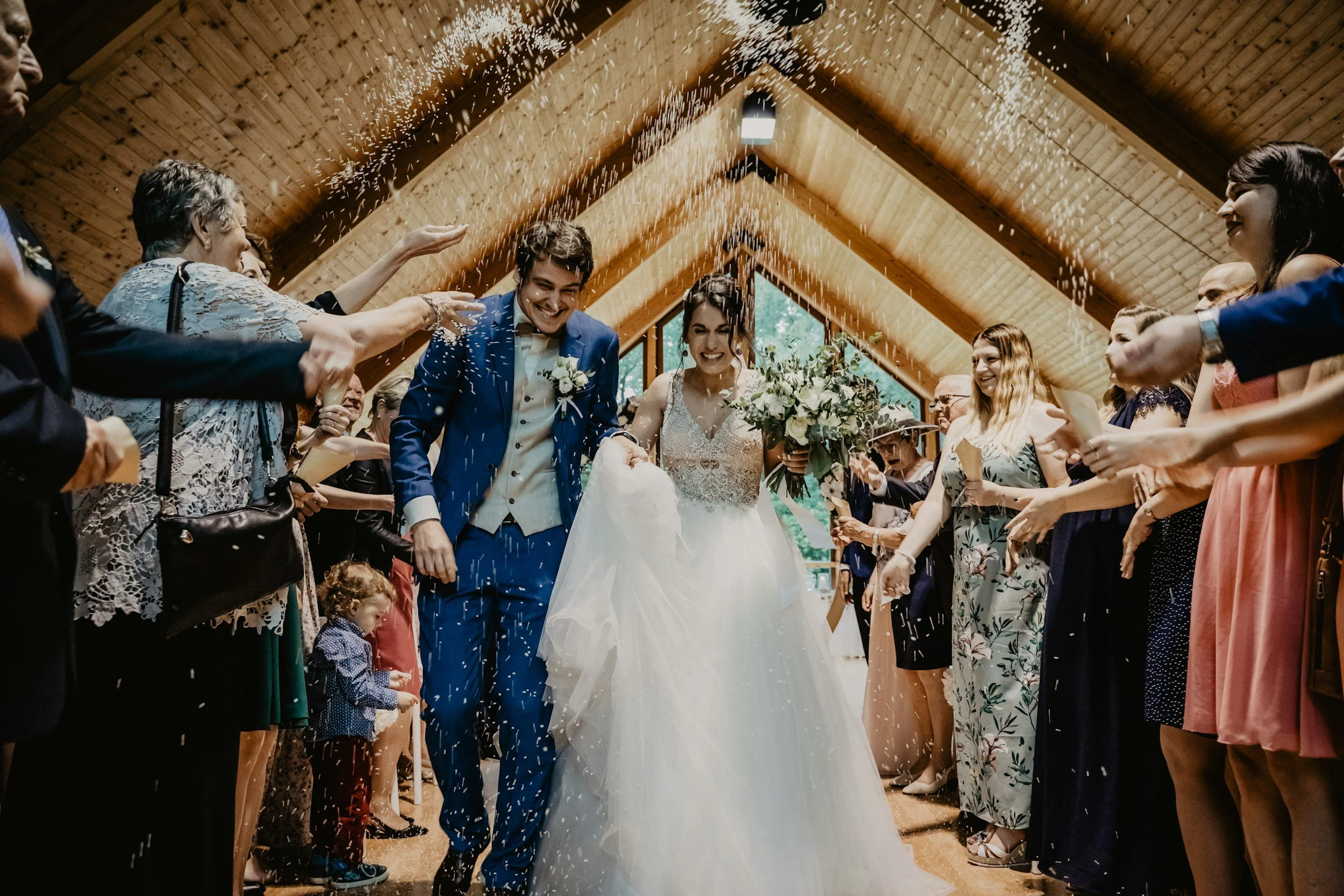
How to Plan Entertainment for a Wedding Reception That Guests Remember
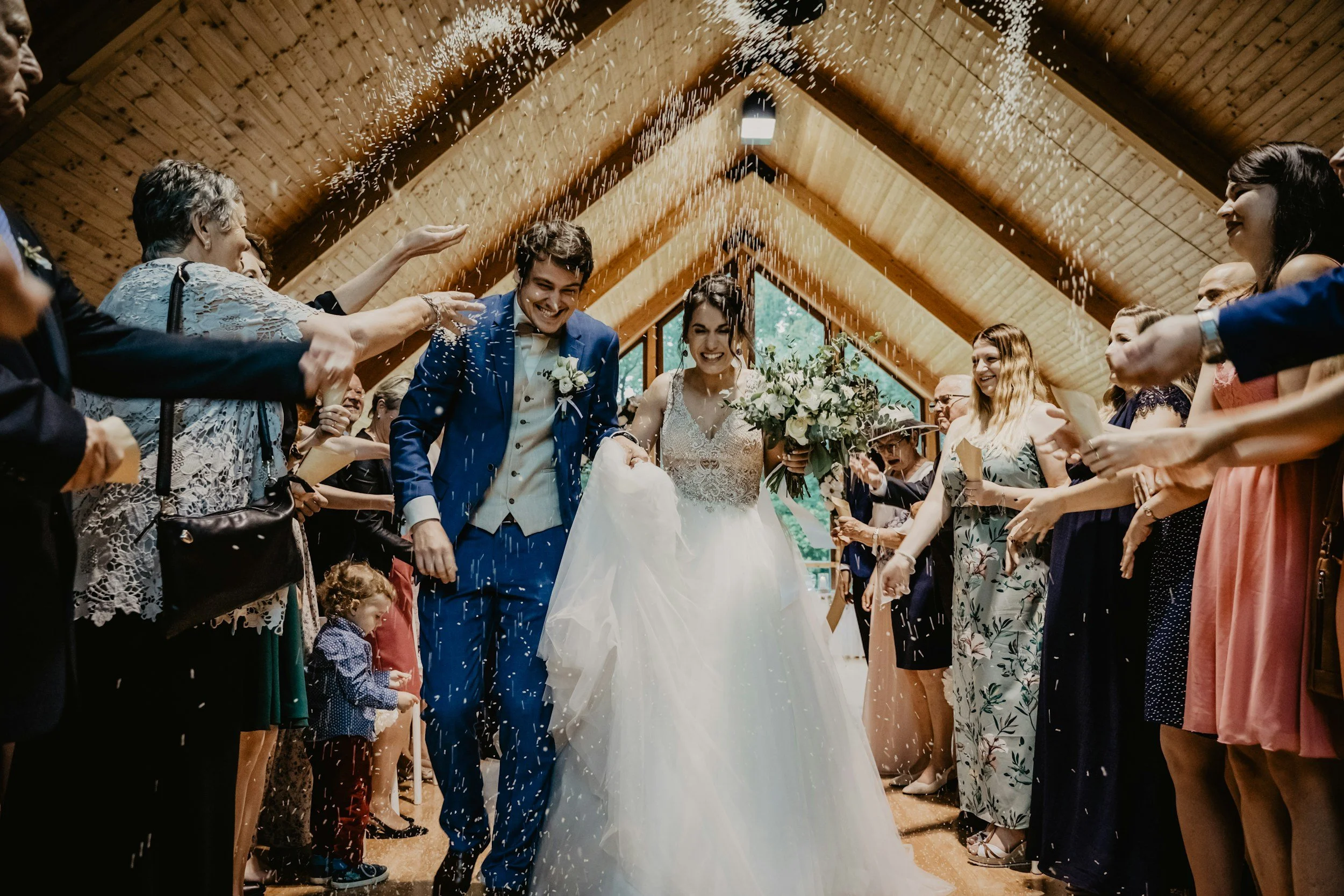
A wedding reception isn’t just a celebration—it’s an experience that people will talk about for years. While food, décor, and photography all matter, one of the biggest factors that determines whether guests remember your wedding is entertainment.
The right entertainment keeps energy high, encourages interaction, fills downtime, and creates unforgettable moments. The wrong entertainment—or poorly planned timing—can lead to awkward pauses, disengaged guests, and a forgettable atmosphere.
This guide breaks down how to plan wedding reception entertainment that guests don’t just enjoy in the moment, but actually remember long after the night is over.
1. Start With the Guest Experience, Not the Schedule
Most couples start planning entertainment by asking:
“What should we book?”
A better question is:
“How do we want guests to feel throughout the night?”
Think in emotional phases:
Arrival → Excited but cautious
Cocktail hour → Social but awkward at first
Dinner → Relaxed but potentially slow
Dancing → High energy
Late night → Intimate and casual
Each phase needs its own type of entertainment.
2. Fill the “Dead Zones” First
The most forgettable moments at weddings usually happen during downtime.
Common dead zones:
Cocktail hour waiting period
Between dinner courses
Photo sessions
Room transitions
Setup delays
Smart entertainment solves this:
Instead of letting energy dip, plan:
Walkaround entertainment
Live musicians
Interactive performers
Guest activities
This keeps momentum consistent from start to finish.
3. Use Interactive Entertainment to Break the Ice
Weddings bring together people from different parts of life:
Family
Friends
Work colleagues
Plus-ones who don’t know anyone
The challenge:
Guests often don’t interact early on.
The solution:
Interactive entertainment that forces natural connection.
Examples include:
Close-up magic
Icebreaker games
Roaming performers
Interactive photo experiences
These create shared reactions that naturally lead to conversation.
4. Plan Entertainment for Cocktail Hour Carefully
Cocktail hour sets the tone for the entire reception.
Without entertainment:
Guests stand around
Conversations feel forced
Energy builds slowly
With the right entertainment:
Guests engage immediately
Groups form naturally
The room feels alive
Strong options include:
Walkaround magician
Acoustic live musician
Signature cocktail experience
Interactive food stations
This is one of the most important parts of the entire evening.
5. Match Entertainment to Your Venue Style
Not all venues support the same type of entertainment.
Consider:
Indoor vs outdoor space
Room size
Acoustics
Guest flow
Lighting
Examples:
Small, intimate venues:
Close-up magic
Acoustic sets
Minimalist performances
Large banquet halls:
Stage shows
DJs
Multiple roaming entertainers
Good planning ensures entertainment feels natural—not forced.
6. Balance High Energy and Low Energy Moments
A great reception feels like a journey, not a constant peak.
Build a rhythm:
Arrival → Light entertainment
Dinner → Subtle engagement
Post-dinner → High-energy performance
Dancing → Full celebration
Why this matters:
Without pacing:
Guests get tired too early
Energy crashes
Moments lose impact
Entertainment should create waves of energy, not a single spike.
7. Use a “Hero Moment” Performance
Every memorable wedding has one standout moment.
This could be:
A surprise performance
A live band reveal
A magician performing a featured routine
A choreographed moment involving guests
Why it works:
It gives guests something to remember as the highlight of the night.
This becomes the story they retell.
8. Include Entertainment That Encourages Participation
Passive entertainment is easy to forget.
Active engagement creates memory.
Examples:
Guests joining a performance
Interactive dance moments
Group participation in magic or games
Photo booth experiences
When guests are involved, they become part of the experience—not just observers.
9. Don’t Overload the Schedule
One of the biggest mistakes is trying to include too much.
Problem:
Entertainment becomes rushed
Guests feel overwhelmed
Nothing gets proper attention
Better approach:
Choose fewer, high-quality experiences
Allow time for natural interaction
Focus on flow, not quantity
Less can actually create more impact.
10. Plan Entertainment Transitions Carefully
Transitions are where many weddings lose energy.
Common gaps:
Moving from dinner to dancing
Speeches ending awkwardly
Setup delays between segments
Fix it with:
Short performances
DJ or live music bridges
Interactive roaming entertainment
Smooth transitions keep guests engaged throughout.
11. Make Sure Entertainment Fits Your Guest Mix
Every wedding has a unique audience.
Consider:
Age range
Cultural backgrounds
Energy levels
Comfort with participation
Example:
Older guests may prefer live music or close-up magic
Younger guests may prefer DJs and interactive elements
The best weddings include entertainment that appeals across generations.
12. Use Entertainment to Encourage Social Connection
The goal of a wedding reception isn’t just fun—it’s connection.
Great entertainment helps by:
Breaking social barriers
Creating shared experiences
Giving guests conversation topics
After a performance, guests naturally talk about:
What they just saw
Their reactions
Who they experienced it with
That’s where connection happens.
13. Plan a Strong Ending
The final impression matters as much as the first.
Weak endings:
Guests slowly leave
Energy fades
No clear closure
Strong endings:
Final group dance
Surprise performance
Emotional closing moment
A strong ending ensures guests leave on a high note.
14. Consider Professional Entertainment Over DIY Options
It may be tempting to rely on playlists or casual entertainment, but professionals bring consistency and experience.
Professionals provide:
Timing control
Audience management
Reliable performance quality
Event adaptability
This reduces stress and improves overall guest experience.
15. Add a Unique Element That Reflects You
The most memorable weddings include personalization.
Ideas:
A performance tied to your story
Custom music choices
Interactive elements involving your relationship
Surprise moments for guests
Personal touches make the event feel unique—not generic.
Final Thoughts
Planning wedding reception entertainment isn’t just about filling time—it’s about designing an experience that flows, connects, and resonates.
The most memorable weddings are those where:
Guests are engaged from start to finish
Energy is carefully paced
Interaction is encouraged
Moments feel personal and meaningful
When entertainment is thoughtfully planned, it transforms the entire atmosphere of the reception.
Because in the end, guests won’t remember every detail of the menu or décor.
They’ll remember how the night felt—and the moments that made them smile, laugh, and feel part of something special.

Why Magic Shows Are Perfect for Icebreakers at Networking Events

Networking events are designed to bring people together—but ironically, they often start with one of the hardest social dynamics: strangers trying to talk to strangers without a reason to talk.
That’s where things can feel awkward.
People arrive, grab a drink, scan the room, and naturally gravitate toward the few people they already know. Even in well-planned events, there’s often a delay before real conversations begin.
This is exactly why magic has become one of the most effective tools for modern networking events.
A skilled magician doesn’t just entertain—they engineer social connection. They create shared experiences that naturally break down barriers and get people talking.
Here’s why magic shows are one of the best icebreakers you can introduce at networking events.
1. Magic Creates Instant Shared Experiences
At networking events, the biggest barrier isn’t language or interest—it’s lack of shared context.
Magic solves this immediately.
When people see something impossible happen:
They react at the same time
They experience surprise together
They turn to each other for explanation
This creates:
Instant common ground
Shared emotional reactions
Natural conversation starters
Instead of:
“So… what do you do?”
It becomes:
“Did you see that happen?”
That shift is everything.
2. It Gives People a Reason to Talk to Each Other
One of the biggest challenges at networking events is initiating conversation without seeming forced.
Magic removes that friction.
After a performance, guests naturally say things like:
“How do you think that worked?”
“Did you notice what happened at the end?”
“That was insane—did you see it too?”
The result:
People no longer need an “excuse” to talk.
The magic becomes the excuse.
3. It Breaks Social Anxiety in the Room
Many attendees at networking events experience some level of social hesitation.
Common feelings:
“I don’t know anyone here.”
“I don’t want to interrupt.”
“Everyone already seems to be in groups.”
Magic changes the atmosphere.
It:
Focuses attention outward
Creates group reactions
Reduces pressure on individuals
Instead of individual anxiety, the room shifts into shared attention mode.
That makes interaction easier for everyone.
4. It Naturally Forms Small Conversation Groups
One of the most powerful effects of close-up or walkaround magic is group formation.
Here’s what typically happens:
A magician approaches a small group
People gather to watch
Others nearby are drawn in
A mini-crowd forms
After the trick:
That group stays together—now talking.
Magic doesn’t just entertain individuals. It creates temporary social clusters, which are the foundation of networking.
5. It Keeps Energy Moving Around the Room
Networking events can easily become static.
The problem:
Guests stay in one place
Conversations remain isolated
Energy gets trapped in small pockets
Walkaround magic fixes this.
A magician moving through the room:
Pulls attention to different areas
Refreshes energy repeatedly
Prevents stagnation
The result is a dynamic, flowing environment where interaction spreads naturally.
6. It Works for People Who Don’t Know What to Say
Not everyone is a natural networker.
Some guests struggle with:
Starting conversations
Keeping discussions going
Finding common topics
Magic helps by providing instant content.
Instead of forcing conversation topics, guests already have one:
The performance they just witnessed
This makes interaction easier for:
Introverts
First-time attendees
Junior staff
Guests outside their usual circle
7. It Levels the Playing Field
Networking events often have hierarchy:
Executives
Clients
New employees
Guests from different industries
Magic temporarily removes that structure.
During a performance:
Everyone reacts the same way
Everyone is equally surprised
Everyone is part of the moment
For a short time, titles don’t matter—only the shared experience does.
That equality makes conversation more natural afterward.
8. It Creates “Conversation Momentum”
One of the biggest goals in networking is getting conversations to start early.
Magic creates momentum:
Guests see a trick
They talk about it immediately
That conversation leads to introductions
Those introductions lead to networking
Instead of cold starts, conversations begin with built-in energy.
Once momentum starts, it’s much easier to sustain.
9. It Reduces Awkward Silence
Silence is one of the biggest barriers in networking environments.
Without engagement:
Conversations stall
People check phones
Energy dips
With magic:
Attention is redirected
Reactions fill silence
Guests remain mentally engaged
Even when no one is speaking, the experience is still active.
10. It Creates Emotional Connection Between Strangers
Networking is not just about exchanging information—it’s about building relationships.
Magic helps by creating shared emotion:
Surprise
Laughter
Curiosity
Amazement
When people experience emotions together, they are more likely to:
Trust each other
Open up
Continue conversations
This emotional layer is what turns introductions into connections.
11. It Encourages Repeat Interaction
After seeing a magician perform, guests often:
Seek out others who saw it
Compare reactions
Discuss interpretations
This leads to:
Multiple touchpoints
Ongoing conversation threads
Reinforced connections
Instead of one-time interactions, magic helps create repeated engagement loops.
12. It Makes the Event More Memorable Overall
Networking events often blend together in people’s memories.
Magic changes that.
Guests remember:
The moment something impossible happened
The reactions of the group
The conversations that followed
When people remember the event more clearly, they are more likely to:
Follow up
Reconnect
Strengthen relationships
13. It Works in Any Networking Environment
Magic is highly adaptable.
It works in:
Hotel lobbies
Conference halls
Cocktail receptions
Trade shows
Corporate lounges
Whether formal or casual, magic fits naturally into the flow.
14. It Supports Event Organizers’ Goals
For planners, networking events have one key goal:
Get people talking to each other.
Magic helps achieve this without forcing structure or awkward facilitation.
It:
Sparks conversations
Encourages movement
Creates engagement organically
It does the job of an icebreaker—without feeling like one.
Final Thoughts
Networking events succeed when people connect—and fail when they don’t.
Magic is one of the most effective tools for transforming a room full of strangers into a room full of conversations.
It works because it:
Creates shared experiences
Reduces social barriers
Sparks natural conversation
Builds emotional connection
Keeps energy flowing
In the end, a magic show at a networking event isn’t just entertainment.
It’s a social catalyst.
And in environments where connection is the goal, that makes all the difference.

Best Entertainment Ideas for Corporate Events in Canada

Corporate events in Canada are more experience-driven than ever. Whether you’re planning a conference in Toronto, a client appreciation event in Vancouver, or a corporate retreat in Calgary, the right entertainment can be the difference between a forgettable gathering and a standout experience.
Today’s audiences expect engagement, interaction, and memorable moments—not just schedules and speeches.
Here’s a comprehensive breakdown of the best entertainment ideas for corporate events in Canada, along with when and why to use each one.
1. Corporate Magicians (Interactive & High-Impact)
Corporate magicians are one of the most effective ways to engage guests in real time.
Why it works:
Breaks the ice instantly
Encourages networking
Creates shared “wow” moments
Keeps guests present and engaged
Best formats:
Walkaround magic during cocktail hour
Table-to-table performances at dinner
Stage shows for larger audiences
Mentalism for a more sophisticated tone
Ideal for:
Networking events
Holiday parties
Trade shows
Client appreciation events
Best for: Interactive engagement and social connection.
2. Live Bands & Musicians
Live music elevates the atmosphere in a way recorded music simply can’t.
Options:
Jazz or acoustic sets for upscale events
Solo performers for intimate gatherings
High-energy bands for dancing and celebrations
Why it works:
Sets the tone of the event
Creates emotional ambiance
Encourages social interaction
Ideal for:
Gala dinners
Award ceremonies
Holiday parties
Best for: Creating mood and atmosphere.
3. Comedians & Stand-Up Performers
Laughter is a powerful tool for engagement.
Why it works:
Relieves stress
Builds connection
Energizes the room
Important:
Choose performers experienced with corporate audiences to ensure appropriate, professional content.
Ideal for:
Conferences
Holiday events
Employee appreciation nights
Best for: Lightening the mood and bringing people together.
4. Interactive Game Shows & Trivia
Gamified entertainment is becoming increasingly popular in corporate settings.
Examples:
Live trivia competitions
Game show-style events
Team-based challenges
Why it works:
Encourages participation
Promotes teamwork
Creates friendly competition
Ideal for:
Team-building events
Conferences
Internal company events
Best for: Engagement through collaboration and competition.
5. Cultural Performances
Canada’s diversity offers a unique opportunity to incorporate cultural entertainment.
Options:
Indigenous performances
Multicultural dance groups
International music acts
Why it works:
Celebrates diversity
Adds uniqueness
Provides meaningful experiences
Ideal for:
Inclusive corporate events
Large conferences
Public-facing company events
Best for: Storytelling and cultural engagement.
6. DJs & Dance Experiences
For high-energy events, DJs are a go-to option.
Why it works:
Keeps energy levels high
Encourages social interaction
Provides continuous entertainment
Enhancements:
Lighting effects
Themed playlists
Dance floor experiences
Ideal for:
Holiday parties
After-parties
Celebration events
Best for: High-energy, social environments.
7. Motivational Speakers & Edutainment
Modern corporate events often blend learning with entertainment.
Topics:
Leadership
Innovation
Resilience
Teamwork
Why it works:
Inspires attendees
Provides value beyond entertainment
Keeps audiences engaged when delivered well
Tip:
Look for speakers who combine storytelling with interactive elements.
Ideal for:
Conferences
Seminars
Leadership retreats
Best for: Insight-driven engagement.
8. Interactive Food & Drink Experiences
Food can be more than catering—it can be entertainment.
Examples:
Cocktail-making classes
Wine or whisky tastings
Live chef stations
Why it works:
Encourages interaction
Creates shared experiences
Engages multiple senses
Ideal for:
Networking events
Client appreciation events
Smaller corporate gatherings
Best for: Social engagement through shared experiences.
9. Photo Booths & Experiential Activations
Modern events often include interactive visual elements.
Options:
Branded photo booths
360 video experiences
Interactive installations
Why it works:
Encourages participation
Creates shareable content
Extends event visibility through social media
Ideal for:
Brand activations
Marketing events
Corporate parties
Best for: Engagement and brand exposure.
10. Team-Building Activities
Entertainment can also serve a functional purpose.
Examples:
Escape rooms
Scavenger hunts
Collaborative challenges
Why it works:
Builds communication
Strengthens relationships
Encourages problem-solving
Ideal for:
Corporate retreats
Team-building sessions
Internal company events
Best for: Strengthening team dynamics.
How to Choose the Right Entertainment
Choosing the right option depends on aligning entertainment with your event goals.
1. Define Your Objective
Networking → magician or food experiences
Celebration → DJ or live band
Education → speaker or interactive session
2. Consider Audience Size
Small groups → interactive entertainment
Large groups → stage performances
3. Match the Tone
Formal → live music or speakers
Casual → magicians or games
High-energy → DJs or bands
4. Think About Event Flow
Entertainment should enhance—not disrupt—the schedule.
Place it:
During transitions
At key moments
Where engagement typically drops
Why Entertainment Matters More Than Ever
Corporate events are no longer just about delivering information.
They are about:
Creating experiences
Building connections
Engaging audiences
The right entertainment:
Keeps guests involved
Encourages interaction
Leaves lasting impressions
Final Thoughts
Canada’s corporate event landscape is diverse, modern, and experience-focused.
The best entertainment ideas are those that:
Engage your audience
Align with your goals
Enhance the overall experience
Whether it’s a magician, a live band, or an interactive activity, the key is choosing something that turns your event from ordinary into memorable.
Because in today’s world, the most successful corporate events aren’t just attended.
They’re experienced—and remembered.

How Magic Entertainment Improves Guest Engagement at Events

Guest engagement is the difference between an event people simply attend—and one they genuinely experience.
Whether it’s a corporate function, wedding, private party, or brand activation, one challenge remains constant: keeping guests interested, involved, and connected throughout the event.
This is where magic stands out.
Unlike passive entertainment, magic is interactive, personal, and emotionally engaging. It doesn’t just fill time—it actively transforms how guests interact with each other and the event itself.
In this guide, we’ll explore exactly how magic entertainment improves guest engagement, and why it’s become one of the most effective tools for modern events.
What Is Guest Engagement (and Why It Matters)
Before diving in, let’s define what engagement really means.
Guest engagement is about:
Attention
Participation
Emotional involvement
Interaction with others
Why it matters:
Highly engaged guests are more likely to:
Enjoy the event
Interact with others
Stay longer
Remember the experience
Talk about it afterward
Low engagement leads to:
Phone distraction
Awkward silence
Early departures
Forgettable events
Magic directly addresses all of these challenges.
1. Magic Captures Attention Instantly
In today’s world, attention is hard to earn.
Guests are often:
Checking phones
Multitasking
Distracted
Magic cuts through this instantly.
When something unexpected happens:
People look up
They focus
They become curious
Why it works:
Magic creates curiosity and surprise, two of the strongest drivers of attention.
Unlike background music or passive entertainment, magic demands engagement.
2. It Turns Guests from Spectators into Participants
Most entertainment is one-directional.
Typical format:
Performer → Audience
Magic changes this dynamic:
Guests become part of the experience.
They:
Hold objects
Make choices
Participate in routines
Influence outcomes
Result:
Higher involvement
Stronger connection
More memorable experiences
People remember what they do, not just what they see.
3. It Breaks Social Barriers
One of the biggest challenges at events is getting guests to interact.
Common issues:
Guests don’t know each other
Conversations feel forced
People stick to familiar groups
Magic acts as a social bridge.
A magician:
Brings people together
Creates shared experiences
Sparks natural conversation
After a performance:
Guests immediately start talking:
“How did that happen?”
“What do you think it was?”
This leads to organic interaction.
4. It Creates Shared Emotional Reactions
Engagement isn’t just about attention—it’s about emotion.
Magic creates:
Surprise
Laughter
Amazement
Curiosity
Why this matters:
Shared emotional experiences:
Strengthen connections
Make events feel more dynamic
Increase memorability
When a group experiences something amazing together, it creates a bond.
5. It Keeps Energy Levels High
Events naturally have energy fluctuations.
Common low-energy moments:
Between activities
After meals
During transitions
Magic helps by:
Injecting bursts of excitement
Re-engaging distracted guests
Maintaining momentum
Unlike passive entertainment, magic actively controls energy flow.
6. It Encourages Guests to Stay Present
Modern audiences are easily distracted.
The problem:
Phones
Side conversations
Short attention spans
Magic demands presence.
When something impossible happens:
Guests focus
They watch closely
They stay engaged
Result:
Less distraction
More involvement
Stronger experience
7. It Creates Conversation That Lasts Beyond the Moment
Engagement doesn’t end when the performance does.
Magic sparks ongoing discussion:
Guests continue talking about:
What they saw
What they think happened
Their reactions
This leads to:
Extended interaction
Deeper connections
More dynamic social environments
8. It Adapts to Any Event Environment
Magic is incredibly flexible.
It works during:
Cocktail hours
Dinner service
Networking sessions
Waiting periods
Transitions
Formats include:
Walkaround magic
Table-to-table performances
Stage shows
This adaptability ensures engagement is maintained throughout the event.
9. It Personalizes the Experience
Magic feels personal.
Unlike large-scale entertainment, it often happens:
Up close
One-on-one or in small groups
Directly involving individuals
This creates:
Stronger emotional connection
Higher perceived value
More memorable interactions
Guests feel like the experience is happening to them, not just around them.
10. It Reduces Awkward Downtime
Every event has gaps.
Without engagement:
Guests feel bored
Energy drops
Conversations stall
With magic:
Downtime becomes entertainment
Guests remain engaged
The event feels seamless
11. It Appeals to a Wide Range of Guests
Events often include diverse audiences.
Different ages, personalities, and interests.
Magic works because:
It’s visual
It’s interactive
It’s universally intriguing
Few entertainment options have this level of broad appeal.
12. It Enhances Event Flow
A well-placed magician can improve how an event feels.
Magic can:
Start the event strong
Maintain energy mid-event
Create highlight moments
Smooth transitions
This makes the event feel:
More dynamic
Better structured
More engaging overall
13. It Creates “Moments” That Define the Event
People don’t remember entire events—they remember moments.
Magic creates:
Peak experiences
Unexpected surprises
Emotional highlights
These moments become:
Stories
Memories
Talking points
14. It Supports Event Goals
Magic isn’t just entertainment—it can be strategic.
For corporate events:
Improves networking
Reinforces messaging
Increases engagement
For weddings:
Connects guests
Enhances atmosphere
Fills downtime
For parties:
Keeps energy high
Creates fun interactions
15. It Leaves a Lasting Impression
At the end of the event, engagement translates into memory.
Guests may forget:
The schedule
The details
But they remember:
How they felt
What surprised them
Who they connected with
Magic creates those lasting impressions.
Final Thoughts
Guest engagement is not automatic—it must be created.
Magic entertainment is one of the most effective ways to achieve this because it combines:
Interaction
Emotion
Surprise
Social connection
It turns passive attendees into active participants.
It transforms awkward moments into shared experiences.
And most importantly, it creates the kind of engagement that makes events truly memorable.
Because in the end, the best events aren’t the ones people attend.
They’re the ones people experience—and never forget.
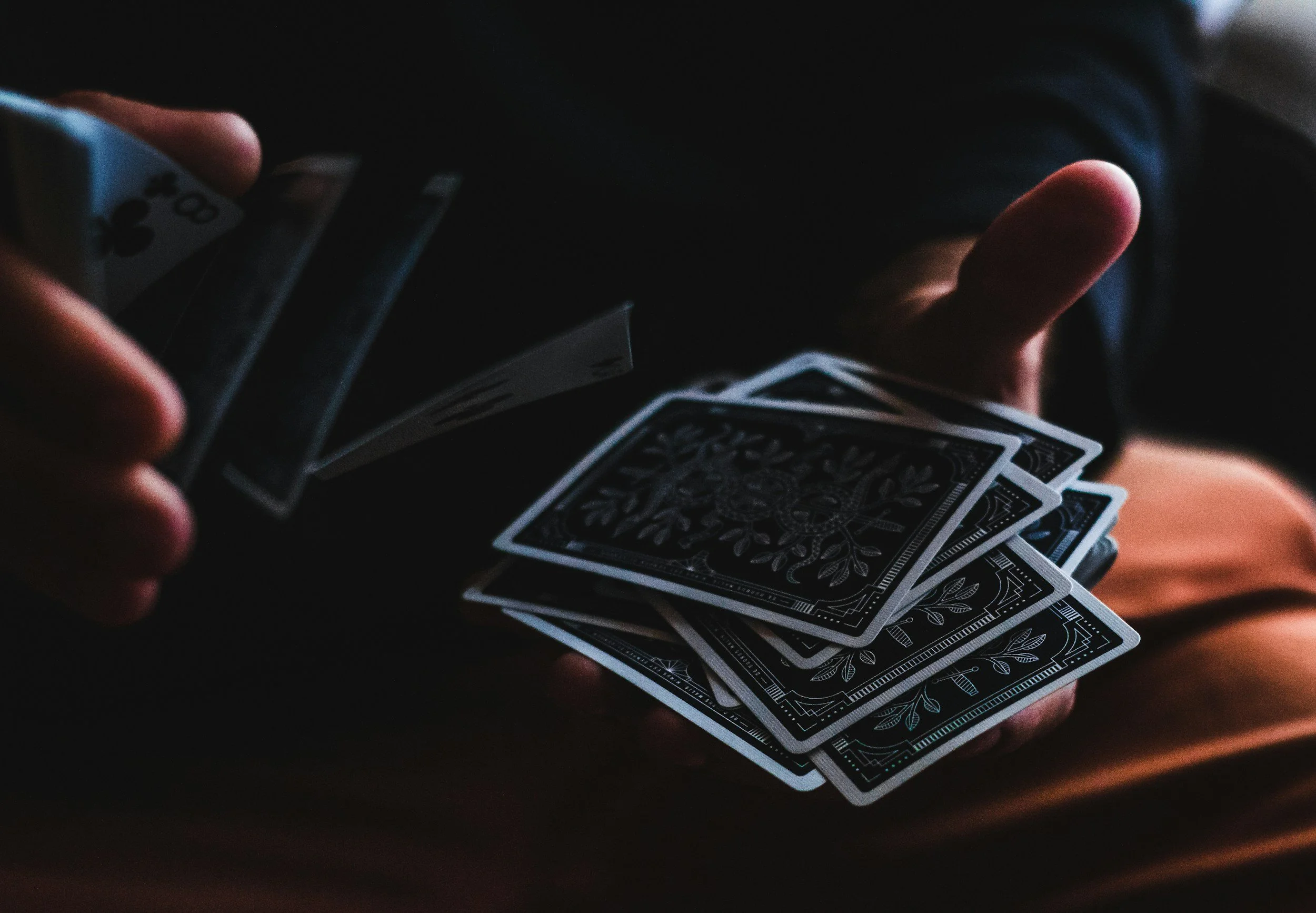
Close-Up Magician vs Walkaround Magician: Which Is Right for Your Event?
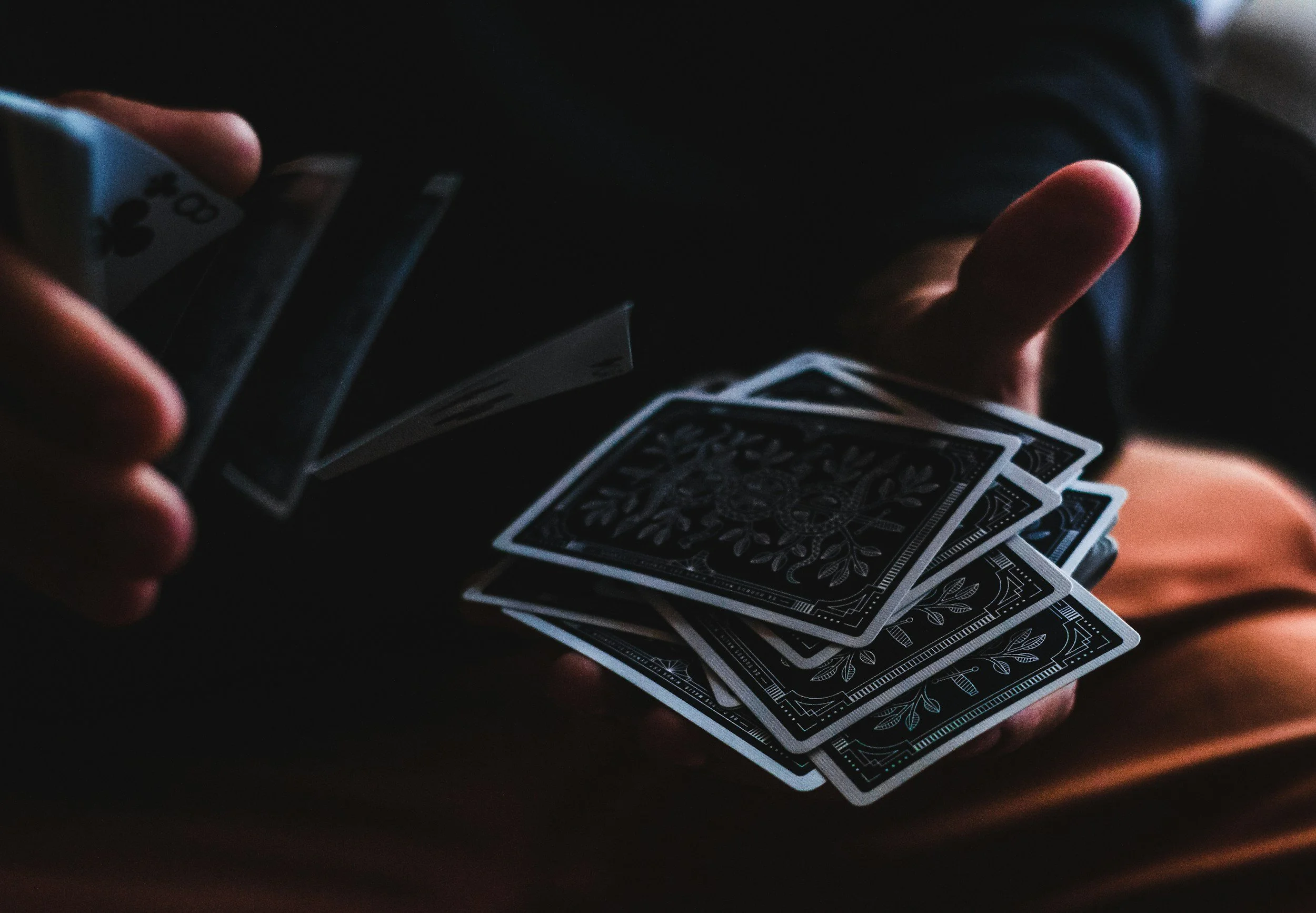
When planning entertainment for an event, you may come across two terms that seem similar—but are often misunderstood:
Close-up magician and walkaround magician.
At first glance, they sound interchangeable. And in many cases, they overlap. But understanding the subtle differences—and how each style functions in a real event setting—can help you choose the right type of performance for your audience, venue, and goals.
This guide breaks down everything you need to know so you can confidently decide which option is best for your event.
The Core Difference (Simplified)
Close-up magic refers to the style of magic (intimate, performed up close)
Walkaround magic refers to the format of performance (moving between groups)
Most walkaround magicians perform close-up magic—but not all close-up magic is walkaround.
What Is a Close-Up Magician?
A close-up magician specializes in performing magic right in front of the audience, often just inches away.
What it looks like:
Small group setting
Guests gathered around
Magic happens in their hands
Highly interactive
Common elements:
Playing cards
Coins
Rings
Phones
Borrowed objects
Key characteristics:
Intimate experience
Strong personal connection
High level of detail and precision
Often performed for seated or stationary audiences
What Is a Walkaround Magician?
A walkaround magician performs while moving from group to group during an event.
What it looks like:
The magician approaches guests
Performs short sets (5–10 minutes)
Moves on to the next group
Where it’s used:
Cocktail hours
Networking events
Corporate parties
Weddings
Key characteristics:
Mobile performance style
Covers a large number of guests
Keeps energy flowing throughout the room
How They Overlap
Here’s where confusion happens:
Most walkaround magicians are actually performing close-up magic—just in a mobile format.
So you might hear someone say:
“We hired a close-up magician”
“We hired a walkaround magician”
…and they may be describing the same person.
The real difference is how the performance is delivered during the event.
Close-Up Magic (Seated or Stationary): Pros and Cons
Pros:
1. Deep Engagement
Guests are fully focused, with fewer distractions.
2. Strong Emotional Impact
Because the magic happens up close, reactions are more intense.
3. Ideal for Structured Settings
Works well for:
Private groups
VIP experiences
Small gatherings
4. More Complex Effects
The magician can perform longer, more detailed routines.
Cons:
1. Limited Reach
Only a small group experiences the performance at a time.
2. Less Flexible
Requires guests to stay in one place.
3. Not Ideal for Large, Moving Crowds
Harder to manage in fast-paced environments.
Walkaround Magic: Pros and Cons
Pros:
1. Reaches More Guests
The magician moves around, ensuring more people are included.
2. Perfect for Social Events
Great for:
Networking
Mingling
Icebreaking
3. Flexible and Dynamic
Adapts easily to:
Changing schedules
Crowd movement
Event flow
4. Keeps Energy High
Constant interaction prevents lulls.
Cons:
1. Shorter Performances
Each group gets a brief experience.
2. Less Depth per Interaction
Not as immersive as longer close-up sessions.
3. Requires Strong Crowd Navigation Skills
The performer must manage timing and group transitions effectively.
Which Is Best for Your Event Type?
Let’s break it down by event.
Weddings
Best choice: Walkaround magic (with close-up style)
Why:
Guests are mingling
Social groups are forming
There are natural gaps in the schedule
Ideal timing:
Cocktail hour
Between dinner courses
Corporate Events
Best choice: Walkaround magic (sometimes combined with close-up sets)
Why:
Encourages networking
Breaks the ice
Keeps guests engaged
Bonus:
Can be paired with a short stage performance.
Private Parties
Best choice: Depends on size
Small gatherings:
Close-up (seated) magic
Larger parties:
Walkaround magic
Formal Dinners / VIP Events
Best choice: Close-up (table-side) magic
Why:
Guests are seated
Environment is more controlled
Allows for deeper engagement
Trade Shows and Brand Activations
Best choice: Walkaround magic
Why:
Attracts attention
Draws crowds
Engages multiple groups quickly
Key Factors to Consider
When deciding between close-up and walkaround magic, consider the following:
1. Event Size
Small (under 20 guests): close-up
Medium to large: walkaround
2. Event Flow
Guests seated: close-up
Guests moving/mingling: walkaround
3. Your Goals
Choose close-up if you want:
Deep engagement
Personal experiences
High-impact moments
Choose walkaround if you want:
Broad coverage
Social interaction
Continuous energy
4. Venue Layout
Tight seating arrangements → close-up
Open, flowing space → walkaround
The Best Option: Combine Both
For many events, the best solution is not choosing one—but combining both.
Example:
Walkaround magic during cocktail hour
Close-up/table magic during dinner
This creates:
Wide engagement
Deep interaction
A balanced experience
Common Mistakes to Avoid
1. Assuming They’re Completely Different
They often overlap—focus on format, not labels.
2. Choosing the Wrong Style for the Environment
Match the performance to your event flow.
3. Underestimating Audience Movement
If guests are mingling, walkaround is usually better.
4. Not Discussing Format with the Magician
A professional can recommend the best approach.
Final Thoughts
Close-up magic and walkaround magic are not competing options—they are complementary approaches to the same art form.
Close-up magic delivers depth and intimacy
Walkaround magic delivers coverage and energy
The right choice depends on your event’s size, structure, and goals.
If you want:
Personal, high-impact moments → go close-up
Broad engagement and interaction → go walkaround
And if you want the best possible experience?
Combine both.
Because the most successful events don’t just entertain—they create layers of engagement that keep guests involved from start to finish.
What Makes a Professional Magician Different from Hobby Performers?
At first glance, magic can look deceptively simple. A deck of cards, a coin, a borrowed ring—and suddenly something impossible happens. Because of this, many people assume that anyone who knows a few tricks can perform at an event.
But there is a massive difference between a hobbyist who knows magic tricks and a professional magician who can command a room, engage an audience, and deliver a seamless, memorable experience.
If you’re hiring entertainment for an event—or even just trying to understand the craft—this distinction matters more than most people realize.
Let’s break down exactly what separates professional magicians from hobby performers, and why it makes all the difference.
1. Performance vs. Tricks
Hobby Performer:
Focuses on individual tricks
Thinks in terms of “methods”
Performs isolated effects
Professional Magician:
Focuses on the overall experience
Structures a full performance
Connects tricks into a cohesive show
A hobbyist might know how a trick works.
A professional knows how to make it matter.
2. Audience Engagement Skills
Hobby Performer:
May struggle with interaction
Focuses on execution rather than people
Can lose control of attention
Professional Magician:
Reads the room instantly
Engages different personalities
Maintains attention throughout
Professionals understand that magic isn’t about fooling people—it’s about engaging them.
3. Consistency Under Pressure
Hobby Performer:
Performs casually in low-pressure settings
May struggle with nerves in front of larger audiences
Less prepared for unexpected situations
Professional Magician:
Performs regularly in high-pressure environments
Handles large crowds with confidence
Delivers consistent results every time
Professionals are not just skilled—they are reliable.
4. Experience with Live Events
Hobby Performer:
Limited real-world experience
May not understand event flow
Less familiar with different audience types
Professional Magician:
Experienced across weddings, corporate events, parties, and more
Understands timing, pacing, and logistics
Adapts to different environments seamlessly
Experience teaches things that practice alone cannot.
5. Adaptability and Improvisation
Hobby Performer:
Relies heavily on rehearsed routines
Struggles when things don’t go as planned
Professional Magician:
Adjusts instantly to:
Audience reactions
Venue challenges
Timing changes
Improvises naturally without breaking flow
Live events are unpredictable—and professionals are prepared for that.
6. Communication and Professionalism
Hobby Performer:
May have unclear communication
Limited booking experience
Less structured approach
Professional Magician:
Communicates clearly and promptly
Understands contracts, scheduling, and expectations
Provides a smooth booking experience
Professionalism off-stage is just as important as performance on-stage.
7. Audience Management
Hobby Performer:
May struggle with:
Interruptions
Disruptive guests
Large groups
Professional Magician:
Controls attention effortlessly
Handles difficult situations smoothly
Keeps the audience engaged and focused
This skill is critical—especially at events with mixed personalities.
8. Depth of Skill
Hobby Performer:
Knows a selection of tricks
Often relies on simpler methods
Professional Magician:
Has deep technical skill
Masters sleight of hand, timing, and psychology
Continuously refines techniques
Professionals don’t just know tricks—they master the craft behind them.
9. Understanding of Psychology
Hobby Performer:
Focuses on mechanics
Professional Magician:
Understands:
Attention control
Perception
Human behavior
Magic is as much about psychology as it is about technique.
Professionals use this knowledge to create stronger, more convincing experiences.
10. Show Structure and Flow
Hobby Performer:
Performs tricks one after another
Professional Magician:
Designs a structured experience:
Strong opening
Engaging middle
Memorable ending
They understand pacing, rhythm, and emotional build.
11. Customization for Events
Hobby Performer:
Performs the same material regardless of audience
Professional Magician:
Tailors performances to:
Event type
Audience demographics
Client goals
Customization increases impact significantly.
12. Equipment and Preparation
Hobby Performer:
May rely on minimal or inconsistent setup
Professional Magician:
Uses reliable, well-maintained equipment
Prepares thoroughly for each event
Plans for contingencies
Preparation ensures smooth execution.
13. Time and Financial Investment
Hobby Performer:
Practices occasionally
Invests limited time and resources
Professional Magician:
Invests years (often decades) into the craft
Spends on:
Training
Materials
Travel
Performance development
Professional-level magic is the result of long-term commitment.
14. Ability to Create Memorable Moments
Hobby Performer:
May impress briefly
Professional Magician:
Creates lasting memories
Builds emotional reactions
Leaves a strong impression
The difference is not just what people see—it’s what they feel.
15. Reliability and Accountability
Hobby Performer:
May cancel or arrive unprepared
Less accountable
Professional Magician:
Shows up on time
Delivers what was promised
Maintains a professional reputation
For events, reliability is non-negotiable.
16. Business Mindset
Hobby Performer:
Performs for fun
Professional Magician:
Treats magic as a business
Focuses on client satisfaction
Builds long-term relationships
This mindset leads to higher standards across the board.
17. Continuous Improvement
Hobby Performer:
May plateau in skill
Professional Magician:
Constantly improves:
Techniques
Presentation
Material
Stays current with trends and audience expectations
Professionals never stop learning.
Why This Difference Matters for Your Event
Hiring a magician isn’t just about filling time—it’s about creating an experience.
A hobby performer may:
Perform a few tricks
Entertain briefly
A professional magician will:
Engage your guests
Manage the room
Adapt to your event
Deliver a seamless experience
Create memorable moments
That difference can define the success of your event.
Final Thoughts
Magic may look effortless—but true professional performance is anything but.
The gap between a hobbyist and a professional magician comes down to:
Experience
Skill
Audience connection
Reliability
Performance quality
In the end, a professional magician doesn’t just show tricks.
They create an experience that feels polished, engaging, and unforgettable.
And when you’re planning an important event, that level of quality is not just a bonus.
It’s essential.
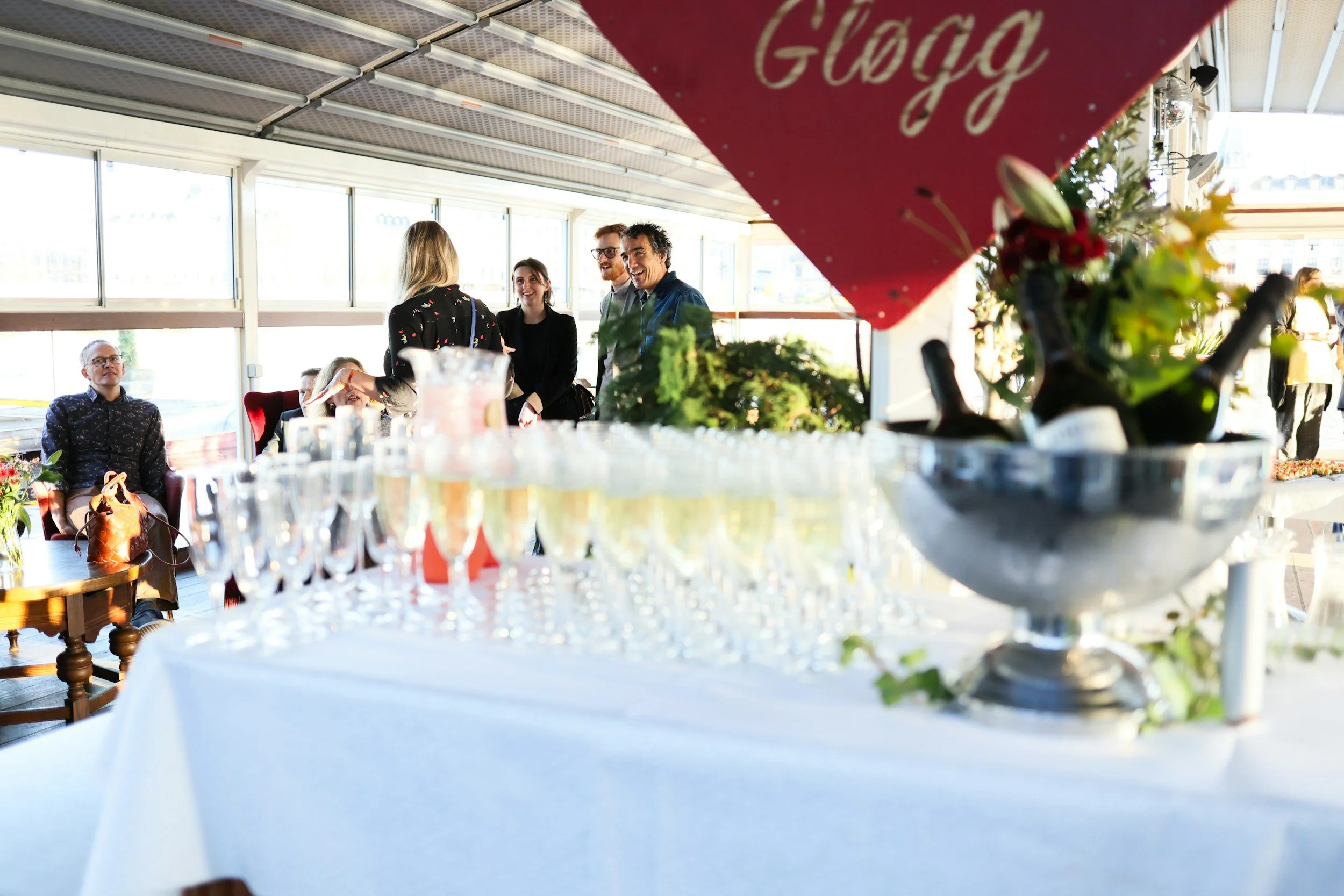
Top Reasons to Hire a Magician for Corporate Holiday Parties
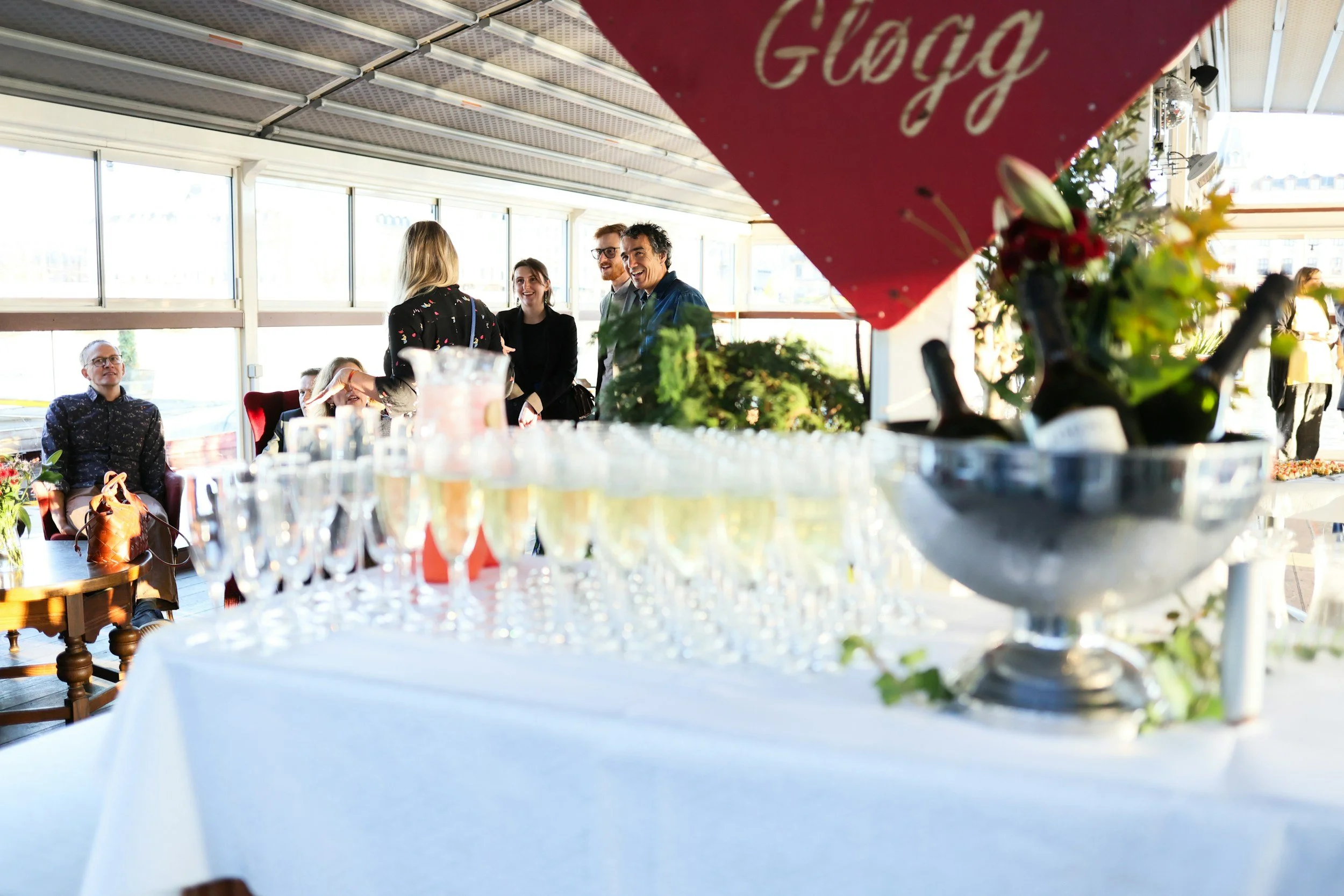
Corporate holiday parties are meant to celebrate, reward teams, and bring people together in a relaxed, festive environment. But let’s be honest—many holiday parties end up feeling predictable.
Same format. Same conversations. Same energy.
That’s why more companies are turning to live entertainment—especially magicians—to elevate the experience.
A corporate magician doesn’t just “perform.” They transform the atmosphere, connect guests, and create memorable moments that stand out long after the party ends.
Here are the top reasons why hiring a magician for your corporate holiday party is one of the smartest decisions you can make.
1. Instantly Breaks the Ice
Holiday parties often bring together:
Employees from different departments
Clients and staff
People who rarely interact
The challenge:
Awkward small talk and slow-starting conversations.
The solution:
A magician naturally brings people together.
They:
Approach groups
Create shared experiences
Spark conversation instantly
Result: Guests go from strangers to engaged participants within minutes.
2. Keeps Guests Engaged (Not on Their Phones)
One of the biggest issues at events today is distraction.
What usually happens:
Guests check phones
Conversations fade
Energy dips
What magic does:
Captures attention immediately
Creates curiosity
Keeps people present in the moment
When something impossible happens right in front of you, your phone becomes irrelevant.
3. Works Perfectly During Cocktail Hour
The cocktail hour is one of the most important—and often underutilized—parts of a holiday party.
Without entertainment:
Guests stand around
Energy feels slow
Networking is limited
With a magician:
Groups form naturally
Conversations flow easily
The event starts strong
Close-up magic during this phase sets the tone for the entire evening.
4. Creates Memorable “Wow” Moments
Most corporate events are forgotten within days.
Magic changes that.
Why:
It creates emotional reactions
It surprises people
It feels personal and interactive
Guests remember:
What they felt
Who they shared the moment with
The experience—not just the event
5. Encourages Natural Networking
Networking is often forced at corporate events.
Magic makes it effortless.
After a performance, people naturally ask:
“How did that work?”
“What do you think happened?”
This leads to:
Organic conversations
Stronger connections
A more relaxed environment
A magician acts as a social catalyst.
6. Adds a Premium, High-End Feel
Hiring a magician elevates the perceived quality of your event.
It signals:
Attention to detail
Investment in guest experience
A desire to create something unique
Compared to standard entertainment options, magic feels:
Exclusive
Sophisticated
Memorable
7. Adapts to Any Event Format
Corporate holiday parties come in many forms:
Formal dinners
Cocktail receptions
Large banquets
Office parties
A magician can adapt to all of them.
They can perform:
Walkaround magic
Table-to-table during dinner
Short stage shows
Small group performances
This flexibility makes them one of the most versatile entertainment options.
8. Keeps Energy Levels High Throughout the Night
Holiday parties often have natural lulls:
After dinner
Between speeches
During transitions
Magic helps by:
Re-energizing the room
Creating bursts of excitement
Maintaining momentum
Instead of energy dropping, it stays consistent.
9. Appeals to Everyone
Corporate events include diverse groups:
Different ages
Different roles
Different personalities
Magic works because:
It’s universal
It combines visual, emotional, and interactive elements
It doesn’t rely on one specific interest
Very few entertainment options have this level of broad appeal.
10. Fills Downtime Seamlessly
Every event has gaps:
Waiting for food
Delays in scheduling
Transitions between activities
Without entertainment:
Guests feel bored
Energy drops
With a magician:
Guests stay engaged
Time feels intentional
The event flows smoothly
11. Creates Shareable Moments
Magic naturally generates:
Laughter
Surprise
Genuine reactions
These moments are perfect for:
Event photos
Videos
Social media content
Benefit:
Your event lives on beyond the night itself.
12. Strengthens Company Culture
Holiday parties are about more than fun—they’re about connection.
Magic helps by:
Bringing people together
Creating shared experiences
Encouraging interaction
This strengthens:
Team relationships
Workplace morale
Company culture
13. Supports Client and Relationship Building
If clients are attending your holiday party, first impressions matter.
A magician:
Engages clients in a unique way
Creates memorable interactions
Makes your company stand out
Result:
Stronger relationships and a lasting positive impression.
14. Works for Both Small and Large Events
Small gatherings:
Intimate, personal magic
One-on-one interaction
Large events:
Group performances
High-energy shared experiences
Magic scales effortlessly.
15. Reduces Event Planning Stress
A professional magician does more than perform.
They:
Help structure entertainment flow
Fill unexpected gaps
Adapt to changes
This makes your job as a planner much easier.
16. Offers Customization Options
Many corporate magicians can tailor performances to your event.
Custom elements may include:
Company branding
Holiday themes
Inside jokes
Key messages
This adds a personalized touch that enhances impact.
17. It’s Different (and That Matters)
Most corporate holiday parties follow a predictable format.
Magic stands out because:
It’s unexpected
It’s interactive
It creates real experiences
Guests notice the difference immediately.
18. Leaves a Lasting Impression
At the end of the night, what do guests remember?
Not just:
The food
The music
The venue
They remember:
The moments that surprised them
The experiences they shared
The feelings they had
Magic delivers those moments.
Final Thoughts
Corporate holiday parties are an opportunity to celebrate, connect, and create lasting memories.
A magician helps you do all three.
They:
Break the ice
Engage your guests
Elevate the experience
Create unforgettable moments
In a world where many events feel the same, magic offers something rare:
A genuine sense of wonder.
And that’s exactly what makes your event stand out—not just in the moment, but long after it’s over.

Corporate Event Magician: Why Companies Book Live Entertainment

Corporate events have evolved.
What used to be formal, structured, and often predictable gatherings are now expected to be engaging, interactive, and memorable experiences. Whether it’s a conference, holiday party, product launch, or networking event, companies are under increasing pressure to deliver something that stands out.
This is exactly why more organizations are turning to live entertainment—especially magicians.
A corporate magician is not just there to perform tricks. They are there to:
Engage attendees
Break social barriers
Reinforce messaging
Create memorable moments
Elevate the overall experience
In this in-depth guide, we’ll explore why companies book live entertainment, how magicians fit into corporate events, and the specific benefits they bring to modern business environments.
The Shift in Corporate Events
Corporate events used to focus heavily on:
Presentations
Speeches
Structured networking
Today, the focus has shifted toward:
Engagement
Experience
Interaction
Emotional connection
Why?
Because attention spans are shorter, expectations are higher, and companies recognize that experience drives impact.
Live entertainment—especially magic—fits perfectly into this shift.
1. Magicians Instantly Increase Engagement
One of the biggest challenges at corporate events is keeping people engaged.
The Problem:
Attendees check phones
Conversations fade
Energy drops
The Solution:
A corporate magician creates immediate engagement by:
Capturing attention
Involving the audience
Delivering unexpected moments
Unlike passive entertainment, magic demands participation.
Result:
Higher attention levels
More interaction
Stronger overall experience
2. Magic Breaks the Ice and Improves Networking
Networking is a core goal of many corporate events—but it doesn’t always happen naturally.
Common challenges:
Guests don’t know each other
Conversations feel forced
People stay within familiar groups
How a magician helps:
A magician acts as a social bridge.
They:
Approach groups
Introduce people
Create shared experiences
Spark conversations
What happens next:
After a performance, guests naturally start talking:
“How did that happen?”
“Did you see that?”
This leads to organic, comfortable interaction.
3. It Creates Memorable Experiences (Not Just Events)
Companies don’t just want events—they want experiences that people remember.
Why memory matters:
Strong experiences improve brand recall
Memorable events increase attendee satisfaction
Positive experiences strengthen relationships
Magic delivers:
Emotional reactions
Unexpected moments
Shared group experiences
These elements make events stand out long after they’re over.
4. Magicians Adapt to Any Corporate Setting
One of the biggest advantages of hiring a magician is versatility.
They can perform:
Close-up during cocktail hours
Table-to-table during dinners
On stage for large audiences
At trade show booths
During networking sessions
This flexibility allows companies to:
Fill downtime
Maintain energy
Integrate entertainment seamlessly
5. Magic Reinforces Brand Messaging
This is where corporate magic becomes strategic.
A skilled corporate magician can customize their performance to include:
Company branding
Product features
Key messages
Event themes
Example:
A product launch could include a magic routine that:
Demonstrates a product benefit
Reveals a new feature
Highlights innovation
Result:
The message is:
More engaging
More memorable
More impactful
6. It Keeps Energy Levels High Throughout the Event
Corporate events often have natural energy dips.
Common low-energy moments:
Between sessions
After meals
During long networking periods
Magic helps by:
Re-energizing the room
Creating bursts of excitement
Maintaining momentum
Unlike static entertainment, magicians actively manage energy.
7. It Appeals to Diverse Audiences
Corporate events often include:
Different age groups
Different backgrounds
Different interests
The challenge:
Finding entertainment that appeals to everyone.
The solution:
Magic is universal.
It:
Doesn’t rely on language alone
Combines visual and emotional elements
Engages people regardless of background
8. It Encourages Attendees to Stay Present
Modern audiences are easily distracted.
Common issues:
Phone usage
Multitasking
Short attention spans
Magic combats this by:
Creating curiosity
Building anticipation
Delivering real-time interaction
When something unexpected happens, people naturally pay attention.
9. It Enhances Professional Image and Event Quality
Live entertainment elevates the perceived quality of an event.
Why it matters:
Reflects positively on the company
Shows attention to detail
Demonstrates investment in guest experience
A magician adds a sense of:
Sophistication
Creativity
Premium experience
10. It Works for Both Small and Large Corporate Events
Small events:
Intimate close-up magic
Personalized interactions
Large events:
Stage performances
Group experiences
Few forms of entertainment scale as effectively.
11. It Generates Organic Content and Social Sharing
Magic creates strong reactions:
Surprise
Laughter
Amazement
These moments are perfect for:
Event photography
Video content
Social media sharing
Benefit:
Extends the event’s reach
Increases brand visibility
Creates marketing opportunities
12. It Fills Downtime Without Feeling Forced
Corporate events often include:
Waiting periods
Schedule delays
Transitions
Magic fills these gaps naturally.
Instead of:
Awkward silence
Idle waiting
Guests experience:
Entertainment
Interaction
Engagement
13. It Strengthens Team Building
Magic is an excellent tool for team-building environments.
Why it works:
Encourages participation
Creates shared experiences
Builds trust and communication
Some magicians even offer:
Interactive workshops
Problem-solving magic sessions
Collaborative experiences
14. It’s More Than Entertainment—It’s Experience Design
The best corporate events are carefully designed.
A magician becomes part of that design by:
Enhancing key moments
Supporting event flow
Creating emotional peaks
This transforms the event from a schedule into an experience.
15. When Companies Typically Book Magicians
Corporate magicians are commonly used for:
Holiday parties
Conferences
Trade shows
Product launches
Client appreciation events
Team-building events
Award ceremonies
Each setting benefits from increased engagement and interaction.
16. Common Misconceptions About Corporate Magicians
“Magic is just for kids”
Modern corporate magic is sophisticated and tailored for adults.
“It won’t fit a professional setting”
Experienced performers adapt tone and style to match corporate environments.
“It’s just entertainment”
Magic can support branding, networking, and engagement goals.
17. Choosing the Right Corporate Magician
Not every magician is suited for corporate events.
Look for someone who:
Has corporate experience
Communicates professionally
Understands business environments
Can customize performances
Has strong audience management skills
Avoid:
Performers with only kids’ party experience
Lack of reviews or testimonials
Poor communication
Final Thoughts
Corporate events are no longer just about delivering information—they’re about creating experiences that engage, connect, and leave lasting impressions.
That’s why companies increasingly invest in live entertainment.
A corporate magician offers something unique:
Interaction instead of passivity
Engagement instead of distraction
Experience instead of routine
They don’t just entertain—they transform the atmosphere, connect people, and elevate the entire event.
Because at the end of the day, the most successful corporate events aren’t the ones people attend.
They’re the ones people remember—and talk about long after they’re over.

Birthday Party Magician: What Parents Should Know Before Booking

Hiring a magician for your child’s birthday party can turn a simple celebration into something truly unforgettable. Few forms of entertainment capture kids’ attention quite like magic—bright visuals, surprises, laughter, and interactive moments that make them feel part of the show.
But not all magicians are the same.
Choosing the right performer requires more than just searching “birthday party magician near me” and picking the first option. The success of your event depends on selecting someone who understands children, knows how to manage a group, and can deliver an engaging, age-appropriate experience.
This guide covers everything parents should know before booking a birthday party magician—from what to look for, to questions to ask, to common mistakes to avoid.
Why a Magician Is a Great Choice for Kids’ Parties
Before diving into the details, it helps to understand why magic works so well for children.
Kids naturally:
Love surprises
Have strong imaginations
Enjoy interactive experiences
Respond to visual and physical humor
A good magician taps into all of this.
Unlike passive entertainment (like cartoons or games), magic:
Holds attention for extended periods
Encourages participation
Creates shared laughter
Makes the birthday child feel special
It’s not just entertainment—it becomes the centerpiece of the party.
1. Not All Magicians Are Kid-Friendly
This is one of the most important things parents need to understand.
Just because someone is a magician does not mean they are good with children.
A kids’ magician should be:
Energetic and engaging
Comfortable with noise and unpredictability
Skilled at managing groups
Able to adjust quickly if things get chaotic
Naturally funny and expressive
A general magician may:
Perform tricks too complex for kids
Lack energy or interaction
Struggle to control a room full of children
Bottom line: Always choose someone who specifically specializes in children’s entertainment.
2. Age Matters More Than You Think
Children at different ages respond very differently to magic.
Ages 3–5:
Prefer bright visuals and simple effects
Enjoy repetition and silly humor
Need constant engagement
Ages 6–8:
Can follow basic storylines
Enjoy interactive tricks
Begin trying to “figure things out”
Ages 9–12:
Appreciate more sophisticated magic
Enjoy challenges and mind games
Respond well to humor and audience participation
A good magician will tailor the show to your child’s age group.
3. The Birthday Child Should Be the Star
The best kids’ magicians don’t just entertain the group—they make the birthday child feel special.
Look for performers who:
Involve the birthday child in multiple tricks
Give them a “helper” role
Build moments around them
Create a memorable spotlight experience
This makes the child feel:
Important
Included
Celebrated
And that’s what the day is really about.
4. Show Length Should Match Attention Span
Longer is not always better.
Typical recommendations:
Ages 3–5: 30–40 minutes
Ages 6–8: 40–50 minutes
Ages 9–12: 45–60 minutes
A good magician knows when to:
Speed things up
Change pace
End on a high note
Overly long shows can lead to:
Restlessness
Distraction
Loss of engagement
5. Interaction Is Everything
Kids don’t want to sit quietly—they want to be part of the action.
Great kids’ magic includes:
Volunteers helping on stage
Group participation
Call-and-response moments
Physical interaction (when appropriate)
Why it matters:
Interactive shows:
Keep attention high
Reduce disruptive behavior
Create stronger memories
6. The Magician Must Be Able to Handle Chaos
Let’s be honest—kids’ parties can be unpredictable.
Children may:
Talk over the performer
Get excited or noisy
Interrupt the show
Wander around
A professional kids’ magician knows how to:
Maintain control without being strict
Use humor to redirect attention
Keep energy focused
Handle unexpected situations smoothly
This skill is just as important as the magic itself.
7. Space and Setup Requirements
Before booking, ask about setup needs.
Common requirements:
A performance area (living room, backyard, party room)
Enough space for kids to sit comfortably
Minimal distractions behind the performer
Access to power (if needed)
Tips for parents:
Keep the performance area clear
Seat children close together for better engagement
Limit background noise during the show
8. Timing the Magic Show Correctly
When you schedule the magician can impact the entire party.
Best timing options:
Option 1: Early in the Party
Captures attention immediately
Keeps kids focused
Sets the tone
Option 2: Mid-Party
After snacks or activities
Re-engages kids
Option 3: Before Cake
Builds excitement
Creates a natural transition
Avoid scheduling too late—kids may become tired or distracted.
9. Reviews and Experience Matter
Always check reviews before booking.
Look for feedback about:
How well the magician handled kids
Engagement level
Professionalism
Punctuality
Overall experience
Experienced performers often have:
Dozens (or hundreds) of positive reviews
Consistent feedback patterns
10. Ask the Right Questions
Before booking, ask key questions.
Important ones include:
How long have you been performing for kids?
What age groups do you specialize in?
How interactive is your show?
Do you involve the birthday child?
What setup do you need?
How long is the performance?
Do you have videos or testimonials?
Clear answers indicate professionalism.
11. Watch Performance Clips (If Available)
Videos can give you a better idea of what to expect.
Pay attention to:
Kids’ reactions
Energy level of the performer
Interaction style
Crowd control
Don’t focus only on the tricks—focus on how the performer handles the audience.
12. Avoid Common Booking Mistakes
1. Choosing Based on Price Alone
Cheaper performers may lack experience.
2. Not Confirming Details
Always clarify:
Time
Location
Duration
Setup
3. Booking Last Minute
Popular magicians book weeks or months in advance.
4. Ignoring Age Fit
A show that works for older kids may not work for younger ones.
13. Consider Add-Ons and Extras
Many magicians offer additional services.
Examples:
Balloon twisting
Face painting
Party games
Magic workshops
These can extend the entertainment and keep kids engaged longer.
14. Safety and Professionalism
A professional magician should:
Be punctual
Communicate clearly
Have a structured show
Maintain a safe environment
Parents should feel confident and comfortable with the performer.
15. What Makes a Great Kids’ Magic Show
A truly great show includes:
High energy
Constant interaction
Age-appropriate humor
Clear structure
Strong audience control
A memorable ending
It’s not just about tricks—it’s about creating an experience.
Final Thoughts
Hiring a birthday party magician can be one of the best decisions you make for your child’s celebration—but only if you choose the right performer.
The best magicians don’t just perform tricks.
They:
Engage children
Create laughter
Manage the room
Make the birthday child feel special
Turn a simple party into a memorable event
By understanding what to look for, asking the right questions, and planning ahead, you can ensure the experience is smooth, fun, and unforgettable for both kids and parents.
Because at the end of the day, the goal isn’t just to entertain.
It’s to create a moment your child will remember long after the candles are blown out.
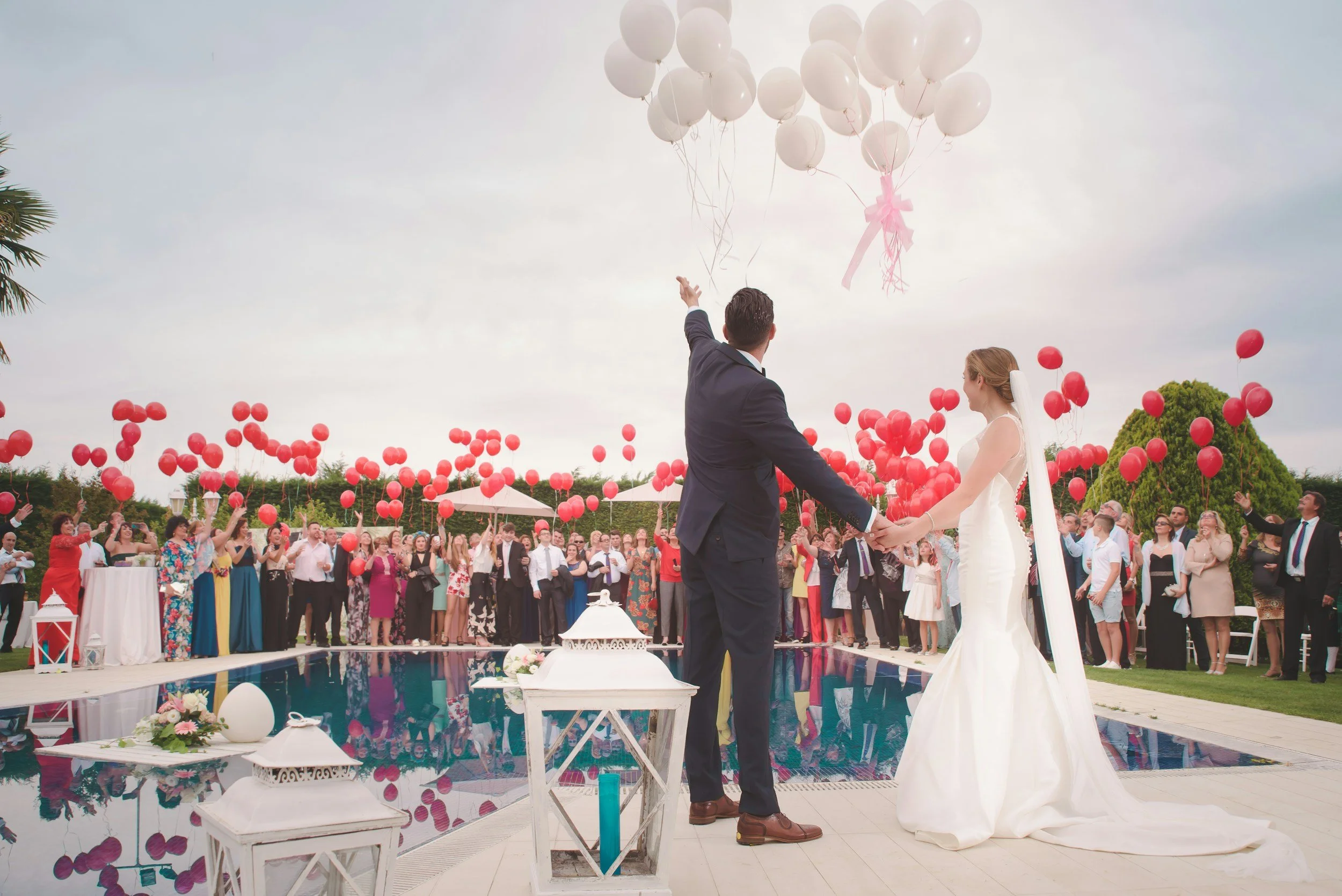
Wedding Magician Ideas to Make Your Big Day Unforgettable
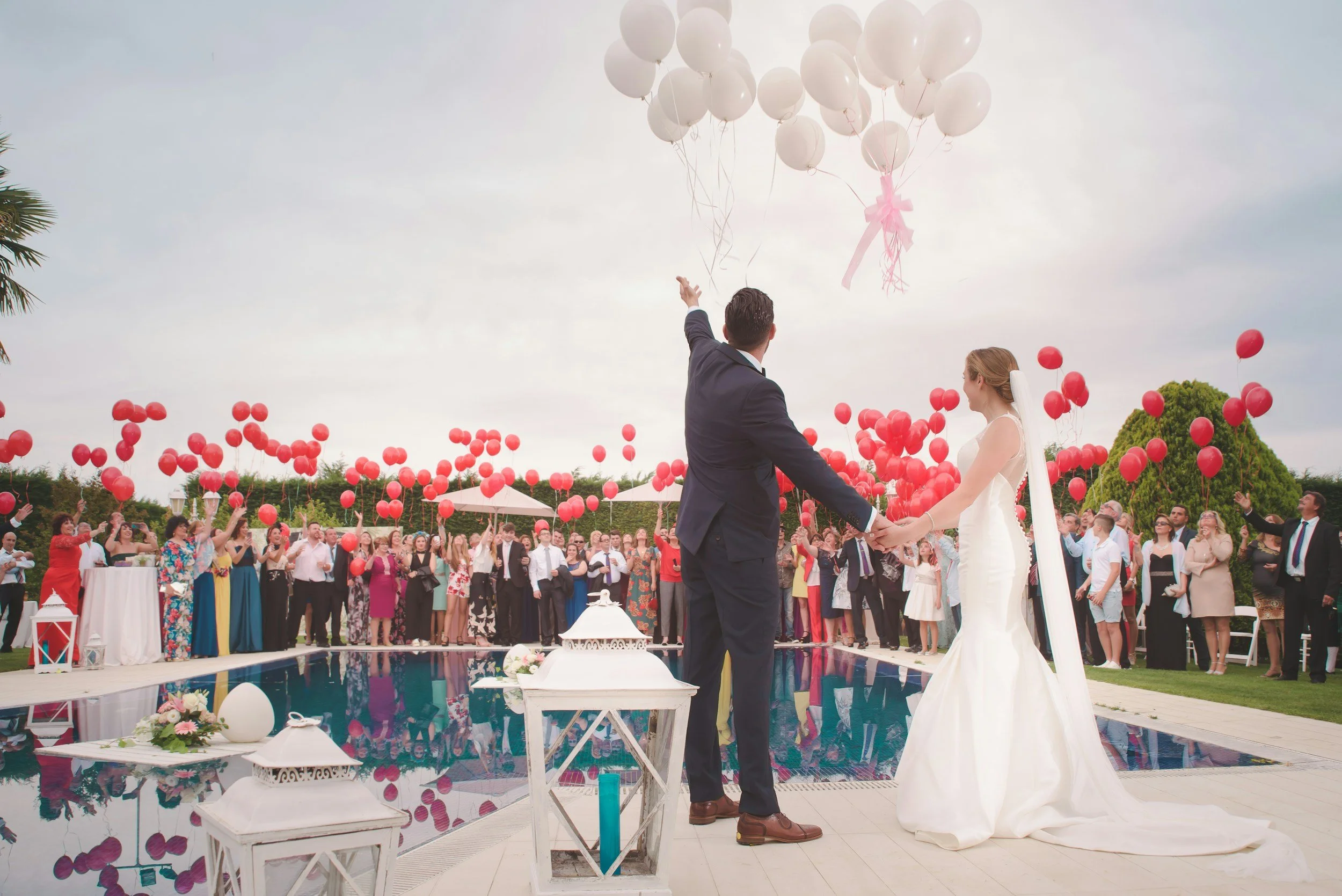
Weddings are more than ceremonies—they are experiences. They bring together family, friends, and loved ones from different parts of your life, often meeting for the first time. While the vows and celebration are at the heart of the day, what guests remember most are the moments in between—the laughter, the surprises, and the unexpected interactions.
This is exactly where a wedding magician can transform your event.
A skilled magician doesn’t just entertain—they connect people, fill gaps, elevate energy, and create unforgettable shared experiences. When done right, magic becomes one of the most talked-about parts of your wedding.
This in-depth guide explores creative, practical, and high-impact wedding magician ideas to help make your big day truly unforgettable.
Why Hire a Magician for Your Wedding?
Before diving into ideas, it’s important to understand why magic works so well at weddings.
Weddings naturally include:
Downtime between key moments
Guests who don’t know each other
Mixed age groups
Long event timelines
A magician helps by:
Breaking the ice instantly
Creating shared experiences
Keeping guests engaged
Adding a unique, premium feel
Unlike traditional entertainment, magic is interactive, personal, and flexible, making it ideal for weddings.
1. Cocktail Hour Magic: The Perfect Icebreaker
The cocktail hour is one of the most important—and often overlooked—parts of a wedding.
The Challenge:
Guests are waiting
Social groups haven’t formed yet
Energy can feel slow
The Solution: Close-Up Magic
A magician performing close-up magic during cocktail hour:
Approaches small groups
Performs interactive tricks
Gets people talking immediately
Why it works:
Instead of awkward introductions, guests bond over:
Shared reactions
Surprise moments
Conversations sparked by the magic
Result: Your wedding starts with energy instead of hesitation.
2. Table-to-Table Magic During Dinner
Dinner can be a long stretch, especially between courses.
The Problem:
Guests get distracted
Energy dips
Conversations stall
The Solution:
A magician moves from table to table performing short, engaging routines.
Benefits:
Keeps guests entertained without interrupting the meal
Gives each table a personalized experience
Creates multiple mini highlight moments
Pro Tip:
Keep performances short (5–10 minutes per table) to maintain flow.
3. Personalized Magic for the Couple
This is where magic becomes truly unforgettable.
Customized Ideas:
A trick involving your wedding rings
A prediction revealing your names or wedding date
A routine based on your love story
A “future prediction” about your life together
Why it matters:
Personalization turns magic into something emotional—not just impressive.
Guests don’t just see a trick—they experience something meaningful and unique to your relationship.
4. A Reception Highlight Performance
While close-up magic is personal, a short group performance creates a shared experience.
When to include it:
After dinner
Before speeches
Before the dance floor opens
What it looks like:
A 15–25 minute interactive show
Audience participation
Comedy, storytelling, and magic combined
Impact:
Brings everyone together
Creates a collective “wow” moment
Acts as a transition into the next phase of the event
5. Magic During Wedding Photos
Wedding photos often take longer than expected.
The Challenge:
Guests are waiting
Limited entertainment
Potential boredom
The Solution:
Have a magician entertain guests while photos are being taken.
Result:
Guests stay engaged
Energy remains high
No one feels like they’re “waiting around”
6. Magic as a Conversation Starter
One of the biggest challenges at weddings is mixing social groups.
Magic solves this instantly.
After a performance, guests naturally ask:
“How did that happen?”
“Did you see that?”
“What do you think the secret is?”
This leads to:
Conversations between strangers
Laughter and shared reactions
Stronger social connections
7. Interactive Guest Experiences
The best wedding magic isn’t just watched—it’s experienced.
Ideas for interaction:
Guests sign cards used in tricks
Magic happens in their hands
They make choices that affect outcomes
They become part of the performance
Why it works:
People remember what they participate in.
Interactive magic turns guests into part of the story.
8. Magic for Kids and Families
If your wedding includes children, magic becomes even more valuable.
Options:
A short kids-focused magic segment
Family-friendly close-up magic
Interactive routines for all ages
Benefit:
Keeps younger guests engaged while still entertaining adults.
9. Surprise Magic Moments
Unexpected moments create lasting memories.
Ideas:
A surprise performance during speeches
A magician appearing “out of nowhere”
A trick involving a key wedding moment
Why it works:
Surprise enhances emotional impact.
Guests don’t expect it—so the reaction is stronger.
10. Magic as Part of the Grand Entrance
Want to start your reception differently?
Creative idea:
Incorporate a magical moment into your entrance.
Examples:
A visual illusion as you enter
A quick interactive moment with guests
A “reveal” tied to your arrival
This sets a unique tone immediately.
11. Magic Before the Dance Floor Opens
Transitioning from dinner to dancing can be tricky.
Problem:
Guests hesitate to get up
Energy feels flat
Solution:
Use a short, high-energy magic performance to:
Re-engage the room
Build excitement
Create momentum
This makes it easier for guests to move into dancing naturally.
12. Magic as Wedding Content (Photos & Video)
Magic creates genuine reactions:
Shock
Laughter
Amazement
These are perfect for:
Wedding photos
Highlight videos
Social media content
Unlike posed shots, these moments are real and emotional.
13. Late-Night Magic for Smaller Groups
As the night progresses, weddings often become more intimate.
Idea:
Have the magician return for small-group performances later in the evening.
Benefit:
Keeps energy going
Creates exclusive-feeling moments
Adds another layer to the experience
14. Custom Wedding Favors with a Magical Twist
Combine magic with guest takeaways.
Ideas:
A trick guests can learn
Personalized cards used in performances
Magic-themed keepsakes
This extends the experience beyond the event.
15. Choosing the Right Wedding Magician
Not all magicians are suited for weddings.
Look for someone who is:
Friendly and approachable
Experienced with weddings
Strong in close-up magic
Comfortable with mixed audiences
Able to adapt to changing schedules
Avoid:
Performers who rely only on stage shows
Rigid, scripted acts
Poor communicators
16. Common Mistakes to Avoid
1. Booking Too Late
Top wedding magicians are often booked months in advance.
2. Overloading the Schedule
Magic should enhance—not overwhelm—the day.
3. Choosing Based on Price Alone
Quality matters more than cost for guest experience.
4. Not Matching Style to Audience
Ensure the magician fits your guests’ preferences.
17. Ideal Wedding Magic Timeline
Here’s a simple structure:
Cocktail hour: close-up magic
Dinner: table-to-table performances
Post-dinner: short group show
Evening: optional late-night magic
This creates a flow of engagement throughout the day.
Final Thoughts
A wedding magician is not just an entertainer—they are a connection builder, energy creator, and memory maker.
They:
Break the ice between guests
Fill downtime seamlessly
Create unforgettable shared experiences
Add a unique, premium feel to your celebration
When thoughtfully integrated, magic doesn’t feel like an extra feature.
It becomes one of the highlights of your entire wedding.
Because years from now, your guests may not remember every detail of the décor or the schedule—but they will remember how they felt.
And few things create that feeling better than experiencing something truly impossible—together.
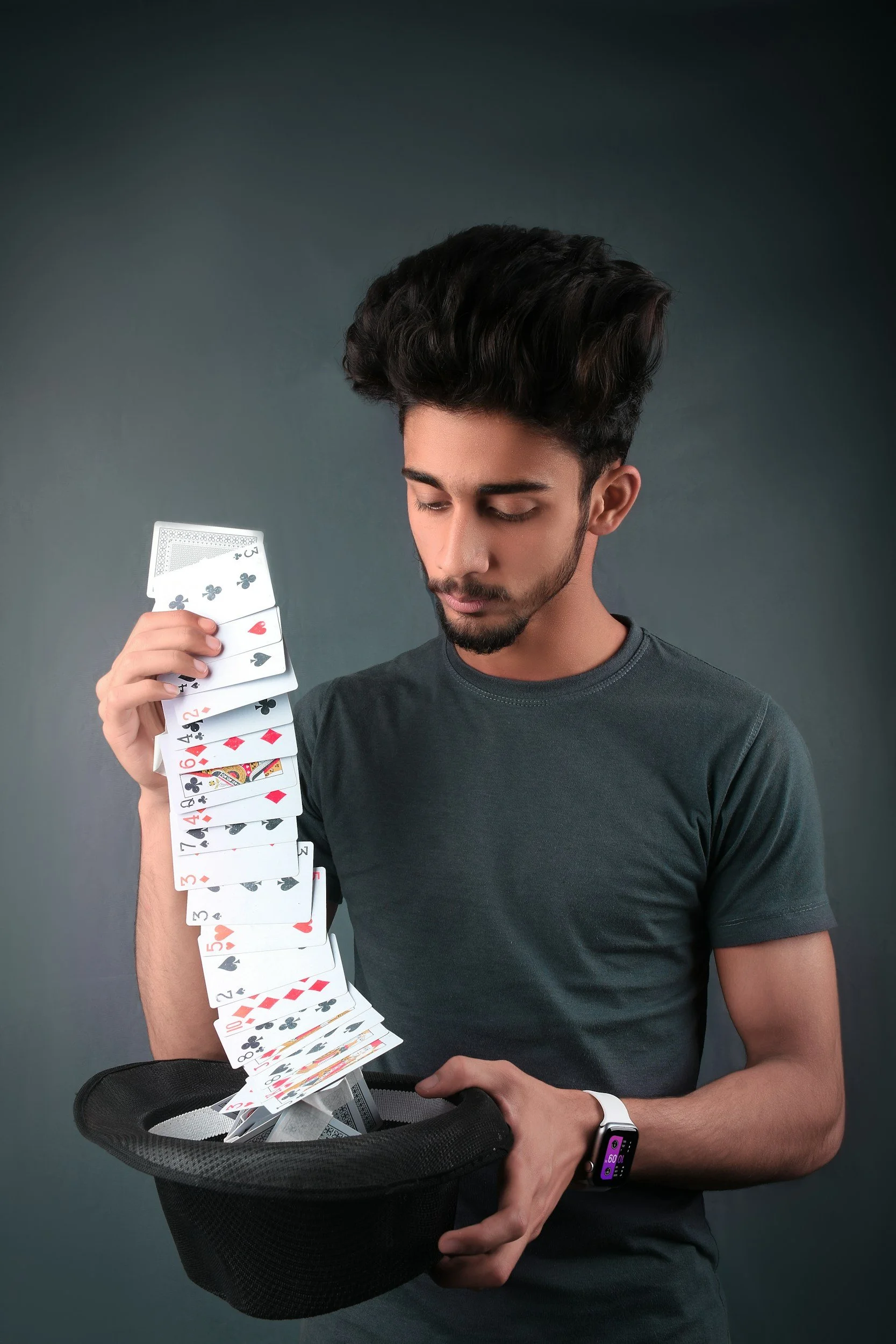
Magician for Hire Near Me: How to Find the Best Performer in Your Area
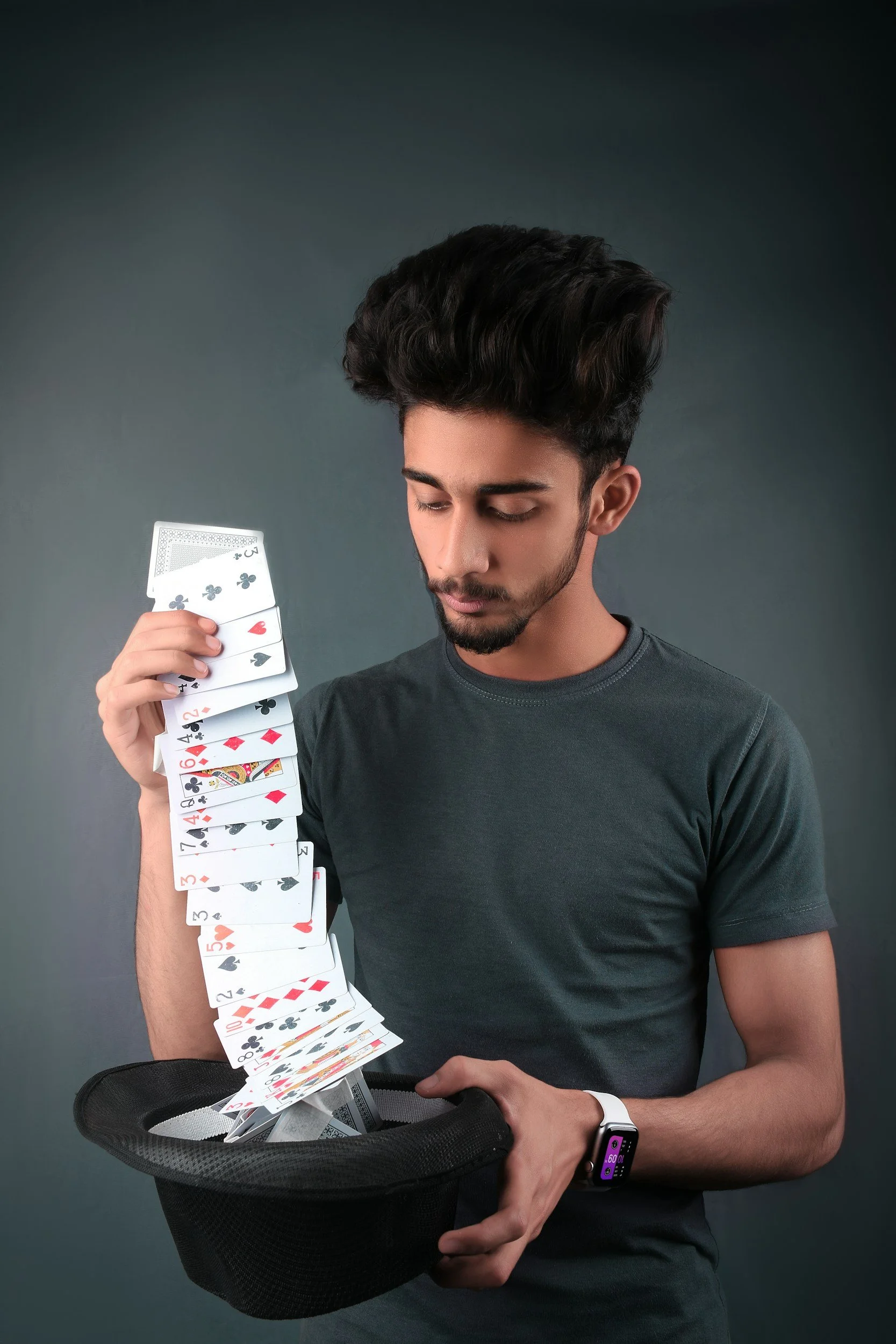
If you've ever searched online for "magician for hire near me," you've probably discovered that there are dozens—sometimes hundreds—of performers claiming to be the perfect choice for your event. From birthday party magicians and wedding entertainers to corporate mentalists and stage illusionists, the options can feel overwhelming.
The challenge isn't finding a magician. The challenge is finding the right magician.
A great magician can transform an ordinary gathering into a memorable experience that guests talk about for years. The wrong entertainer can leave an audience disengaged, uncomfortable, or simply unimpressed. That's why taking the time to properly evaluate performers is one of the most important decisions you'll make when planning an event.
In this comprehensive guide, we'll cover everything you need to know about finding, evaluating, and hiring the best magician in your area, including what to look for, what questions to ask, red flags to avoid, and how to ensure you're booking the right performer for your audience.
Why More People Are Hiring Magicians for Events
Over the last decade, live entertainment has become increasingly important for event planners. Guests have more distractions than ever before. Smartphones, social media, streaming services, and constant digital stimulation have made it harder to capture and maintain attention.
Magic solves this problem in a unique way.
Unlike passive entertainment, magic creates active engagement. People don't simply watch—it happens with them, around them, and sometimes even in their own hands.
This is one reason magicians have become popular choices for:
Corporate events
Holiday parties
Weddings
Networking events
Trade shows
Product launches
Birthday celebrations
Fundraisers
School events
Community festivals
Private parties
The best magicians don't just perform tricks. They create experiences, conversations, and moments of genuine surprise.
What Type of Magician Do You Need?
Before searching for a performer, you should first determine what type of magician best fits your event.
Many people assume all magicians do the same thing. In reality, there are several different specialties.
Close-Up Magicians
Close-up magic is performed directly in front of guests, often just inches away.
This style is ideal for:
Cocktail hours
Wedding receptions
Networking events
Corporate functions
Private parties
Close-up magicians typically perform with:
Playing cards
Coins
Rings
Phones
Borrowed objects
Everyday items
Because the magic happens so close to the audience, it feels highly personal and interactive.
For many adult events, close-up magic is considered one of the strongest forms of entertainment available.
Corporate Magicians
Corporate magicians specialize in professional environments.
They understand:
Business etiquette
Professional audiences
Company culture
Event logistics
Many corporate magicians customize performances around:
Company branding
Products
Marketing messages
Conference themes
A skilled corporate entertainer can help improve networking, increase attendee engagement, and reinforce key event objectives.
Wedding Magicians
Wedding magicians are experts at entertaining mixed groups of people.
At weddings, guests often come from different social circles.
The magician helps:
Break the ice
Start conversations
Fill downtime
Keep energy levels high
Wedding magic is especially effective during:
Cocktail hour
Reception transitions
Dinner service
Stage Magicians
Stage performers are ideal for larger audiences.
These magicians perform for:
Banquets
Conferences
Large celebrations
Theatre audiences
Stage magic often includes:
Larger visual effects
Audience participation
Comedy
Mentalism
Storytelling
Mentalists
Mentalists focus on the appearance of mind reading and psychological influence.
Popular at:
Corporate events
Executive gatherings
Adult audiences
High-end private events
Mentalism often feels more sophisticated and mysterious than traditional magic.
Kids' Magicians
Children's entertainers specialize in younger audiences.
They understand:
Child psychology
Age-appropriate humor
Crowd management
Interactive participation
A great kids' magician is often part performer, part comedian, and part educator.
Where to Find a Magician Near You
Today, finding local performers is easier than ever.
However, not every source provides the same quality of information.
Google Search
Most people begin with searches such as:
Magician near me
Magician for hire near me
Corporate magician near me
Wedding magician near me
Local magician for events
A professional magician's website should clearly explain:
Services offered
Experience level
Event specialties
Testimonials
Contact information
Pay attention to the quality of the website. While a great magician can have a simple website, a professional online presence often reflects professionalism overall.
Reviews and Testimonials
Reviews are one of the most valuable tools available.
Look for patterns rather than isolated comments.
Strong reviews often mention:
Audience engagement
Professionalism
Communication
Reliability
Memorable performances
If dozens of reviews consistently praise similar qualities, that's a positive sign.
Social Media
Many professional magicians showcase their work through:
Instagram
Facebook
TikTok
YouTube
LinkedIn
Video clips can help you evaluate:
Performance style
Audience reactions
Personality
Stage presence
Be careful, though.
Social media highlights only the best moments. A viral clip does not necessarily indicate a strong live performer.
Referrals and Recommendations
Word-of-mouth remains one of the strongest indicators of quality.
Ask:
Friends
Colleagues
Event planners
Wedding coordinators
Venue managers
People who have experienced a performer firsthand can often provide valuable insights.
What Makes a Great Magician?
Not all magicians are equal.
Many people focus exclusively on tricks.
The truth is that the best magicians succeed because of far more than technical skill.
Strong Communication Skills
The best performers communicate clearly before, during, and after the event.
They:
Respond promptly
Ask good questions
Understand event goals
Provide clear expectations
Professional communication often predicts professional performance.
Audience Management
A magician must know how to control attention.
This includes:
Reading the room
Managing volunteers
Handling distractions
Maintaining engagement
Technical skill means little if a performer cannot connect with people.
Adaptability
Every event is different.
Unexpected situations happen constantly.
The best magicians can adapt to:
Venue changes
Delays
Different audience personalities
Technical challenges
Flexibility is a major advantage.
Experience
Experience matters because it develops:
Confidence
Timing
Audience awareness
Problem-solving ability
A performer who has entertained thousands of people has likely encountered—and solved—every possible challenge.
Questions to Ask Before Hiring
Before booking a magician, ask important questions.
How long have you been performing professionally?
Professional experience often provides insight into reliability and expertise.
What types of events do you specialize in?
A performer who specializes in weddings may not be the best choice for a trade show.
What is your performance style?
Understanding style helps determine fit.
Some magicians are:
Comedy-focused
Elegant and sophisticated
Interactive
Highly visual
Mentalism-oriented
Can you customize the performance?
Customization can significantly increase event impact.
How much space do you need?
Understanding logistical requirements helps avoid surprises.
Do you have references or testimonials?
Experienced professionals should be able to provide examples of past success.
Red Flags to Watch For
Finding a magician is easy.
Finding a professional magician requires careful evaluation.
Watch for warning signs.
Lack of Reviews
A complete absence of reviews may indicate limited experience.
Poor Communication
Slow responses and unclear information often signal future problems.
Unrealistic Claims
Be cautious of performers claiming:
Real supernatural powers
Guaranteed reactions
Impossible outcomes
Professional entertainers typically market their skills honestly.
No Performance Footage
Most experienced performers can provide at least some demonstration of their work.
How Much Does It Cost to Hire a Magician?
Pricing varies significantly based on factors such as:
Experience
Location
Event type
Audience size
Performance length
Travel requirements
In general, investing in a professional performer often delivers significantly greater value than choosing solely based on price.
Remember:
The cheapest option is rarely the best option.
Why Hiring Local Can Be Beneficial
When searching for a magician near you, local performers offer several advantages.
These may include:
Reduced travel costs
Greater familiarity with local venues
Easier communication
Better scheduling flexibility
Local entertainers may also have relationships with event planners and venues in your area.
Matching the Magician to the Event
One of the biggest mistakes people make is choosing a performer without considering the audience.
Different events require different approaches.
Weddings
Look for:
Strong interpersonal skills
Close-up expertise
Experience with mixed-age audiences
Corporate Events
Look for:
Professional presentation
Business event experience
Networking-friendly entertainment
Holiday Parties
Look for:
High energy
Audience interaction
Flexible performance options
Private Parties
Look for:
Adaptability
Personalized engagement
Interactive performance style
Why the Right Magician Creates More Than Entertainment
The best magicians do much more than perform tricks.
They:
Create conversations
Connect strangers
Energize rooms
Encourage interaction
Build shared memories
In many ways, a magician acts as a social facilitator as much as an entertainer.
This is why professional magic has become increasingly popular at corporate events, weddings, and high-end private functions.
Final Thoughts
Searching for a magician for hire near me is easy.
Finding the right magician requires a little more effort.
The best performer for your event will be someone who understands your audience, communicates professionally, has proven experience, and can create memorable experiences tailored to your specific goals.
Take the time to research, ask questions, review testimonials, and evaluate style—not just price.
Because when you hire the right magician, you're not simply booking entertainment.
You're creating moments of surprise, laughter, connection, and wonder that your guests will remember long after the event is over.
And in a world where most events are quickly forgotten, that kind of experience is truly magical.