
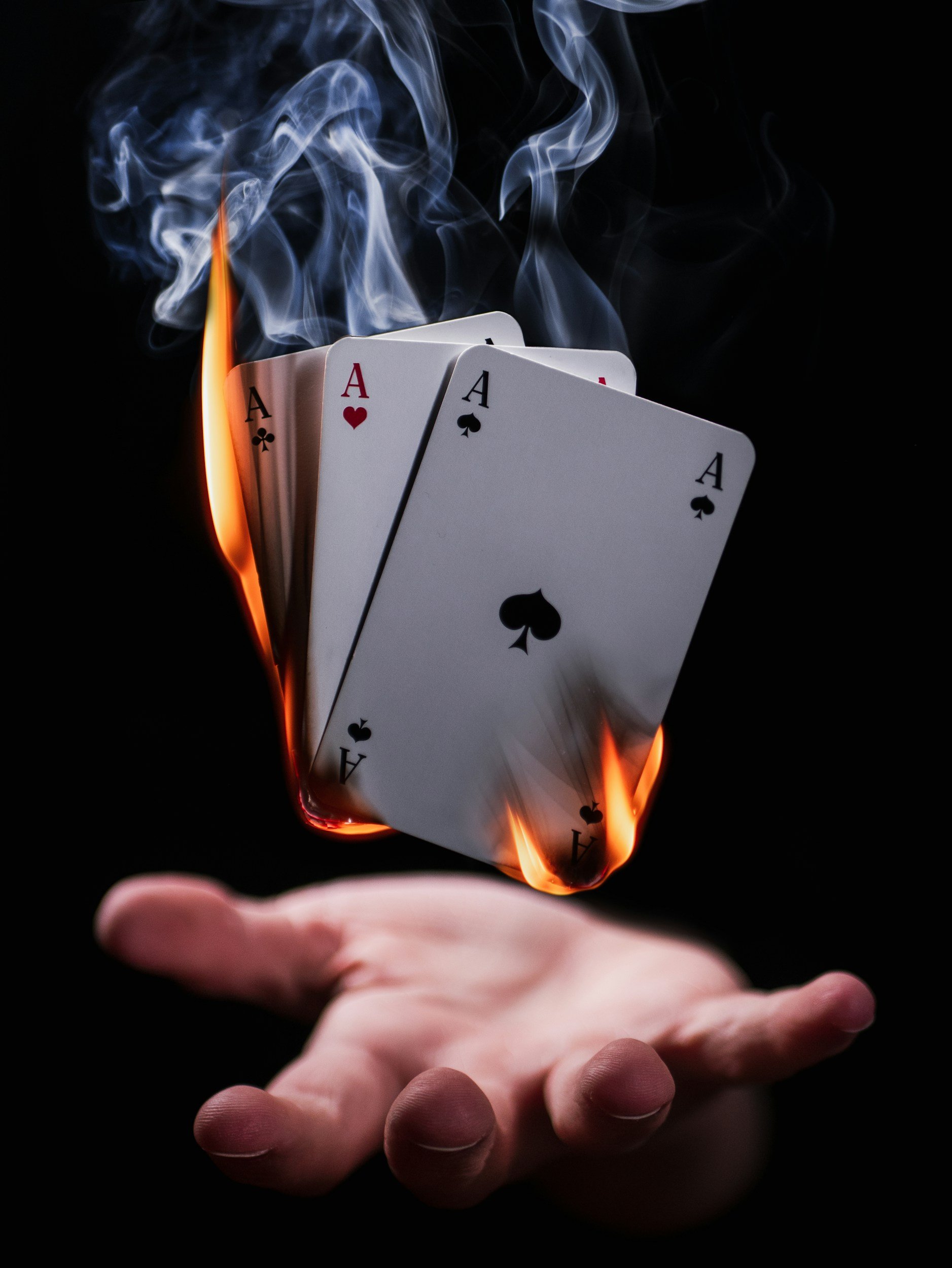
Common Myths About Magicians (Debunked)
Magicians have existed for thousands of years, and with that long history comes a lot of misunderstanding. From ancient superstition to modern social media misinformation, people still carry outdated or incorrect ideas about how magic works, who magicians are, and what their performances involve.
Some of these myths are harmless. Others completely distort what professional magic actually is today.
In this guide, we’ll break down the most common myths about magicians—and explain what’s actually true behind the curtain.
1. Myth: Magicians Have Real Supernatural Powers
This is the oldest myth in the book.
For centuries, audiences believed magicians could control spirits, read minds, or bend reality. Even today, some people still wonder if there is something “supernatural” behind what they see.
Reality:
Modern magic is based on:
Psychology
Misdirection
Sleight of hand
Technology
Stagecraft
A magician is not using supernatural forces—they are using carefully designed methods to influence perception.
Even the most impossible-looking effects are the result of practice, timing, and understanding how humans process information.
2. Myth: If You Know How It’s Done, It Stops Being Impressive
Many people think magic only works if you don’t know the secret.
Reality:
Knowing a trick does not eliminate the experience of magic.
In fact:
Skill often becomes more impressive once you understand it
Timing, psychology, and execution are harder than they look
Even when you understand parts of a method, the full effect still feels impossible
Great magicians design performances so that even knowledgeable viewers are still entertained.
3. Myth: Magicians Only Do “Tricks” With Cards and Coins
When people think of magic, they often picture a deck of cards or a coin disappearing.
Reality:
Modern magic is far more diverse.
Professional magicians perform:
Stage illusions
Mentalism (mind reading effects)
Escapes
Large-scale productions
Interactive close-up experiences
Digital and virtual magic
Performers like David Copperfield and Derren Brown show that magic can be theatrical, psychological, and cinematic—not just close-up sleight of hand.
4. Myth: Magic Is Easy to Learn
Because tricks are sometimes explained online, people assume magic is simple.
Reality:
While basic tricks can be learned quickly, professional magic requires:
Years of practice
Timing precision
Audience management skills
Performance confidence
Psychological understanding
A magician is not just doing tricks—they are performing, directing attention, and controlling an entire audience experience.
5. Myth: Magicians Never Mess Up
On stage, magic often looks flawless. That leads many people to believe mistakes never happen.
Reality:
Mistakes do happen—but professionals are trained to handle them.
Experienced magicians:
Recover smoothly from errors
Adjust performance in real time
Use audience misdirection to cover issues
Sometimes even turn mistakes into part of the act
What you see is not perfection—it’s performance control.
6. Myth: All Magic Is Pre-Planned and Scripted
Some assume every moment of a magic show is rigidly rehearsed.
Reality:
While structure is important, live magic is highly adaptive.
Magicians often:
Respond to audience reactions
Change pacing based on energy
Modify routines depending on volunteers
Improvise interactions
The best performances feel alive because they are part script, part real-time reaction.
7. Myth: Magicians Use the Same Tricks Over and Over
People sometimes assume magic is repetitive or outdated.
Reality:
Magic constantly evolves.
Modern magicians:
Develop original routines
Combine psychology with illusion
Integrate technology
Create personalized effects for events
Even classic effects are continuously reimagined with new presentations and methods.
8. Myth: Magic Is Only for Kids
This is one of the most limiting misconceptions.
Reality:
Magic is designed for all ages—but different styles target different audiences.
Kids magic focuses on visual fun and comedy
Adult magic focuses on psychology, mystery, and sophistication
Corporate events, weddings, and high-end performances often feature highly advanced magic designed specifically for adults.
9. Myth: Magicians Can Read Minds
Mentalism can look like real mind reading, which leads to confusion.
Reality:
Mentalism is a combination of:
Psychological suggestion
Pattern recognition
Audience interpretation
Probability techniques
Performance psychology
Performers like Derren Brown are very clear that these effects are illusions—not paranormal abilities.
10. Myth: Magic Is Just About Fooling People
Some assume magic is about deception alone.
Reality:
Magic is not about fooling people—it’s about creating experiences.
A strong magic performance aims to:
Entertain
Surprise
Create emotional reactions
Encourage curiosity
Build shared moments
The “secret” is not the point—the experience is.
11. Myth: You Need Expensive Props to Do Magic
Many people believe magic requires complex equipment.
Reality:
Some of the strongest magic uses:
Everyday objects
Simple tools
No props at all
A playing card, a coin, or even a borrowed item can create powerful effects when handled by a skilled performer.
12. Myth: Magic Is Outdated in the Digital Age
With movies, video games, and social media, some assume magic is no longer relevant.
Reality:
Magic is more popular than ever.
It has adapted into:
Social media performances
Virtual magic shows
Corporate events
Immersive live experiences
Magic remains relevant because it offers something digital media cannot: real-time, shared human wonder.
13. Myth: You Can Always Figure Out How a Trick Works
Some viewers believe that if they watch closely enough, they’ll eventually solve every trick.
Reality:
Professional magic is designed specifically to control attention and perception.
Techniques include:
Misdirection
Timing manipulation
Psychological framing
Controlled information exposure
Even experienced magicians can be fooled by other professionals.
14. Myth: Magicians Don’t Have Real Performance Skills
Some people think magic is just technical skill.
Reality:
A professional magician is also:
An actor
A storyteller
A crowd controller
A comedian or entertainer
A psychologist of attention
Performers like Penn & Teller demonstrate that magic is as much about presentation as technique.
15. Myth: Magic Is Always Serious and Mysterious
Many assume magicians must maintain a dark, mysterious persona.
Reality:
Magic can be:
Funny
Emotional
Lighthearted
Dramatic
Educational
Modern performers tailor tone to the audience and event type.
Final Thoughts
Magic is surrounded by myths because it sits at the intersection of perception and reality. When something feels impossible, people naturally try to explain it in extraordinary ways.
But the truth is more interesting than the myth.
Magic is not supernatural. It is not random. It is not outdated.
It is a highly refined art form built on:
Psychology
Skill
Storytelling
Human attention
And most importantly, it is designed to do something very simple—but powerful:
Create moments where people feel wonder.
Because in the end, magicians are not trying to trick the world.
They are trying to remind it what amazement feels like.
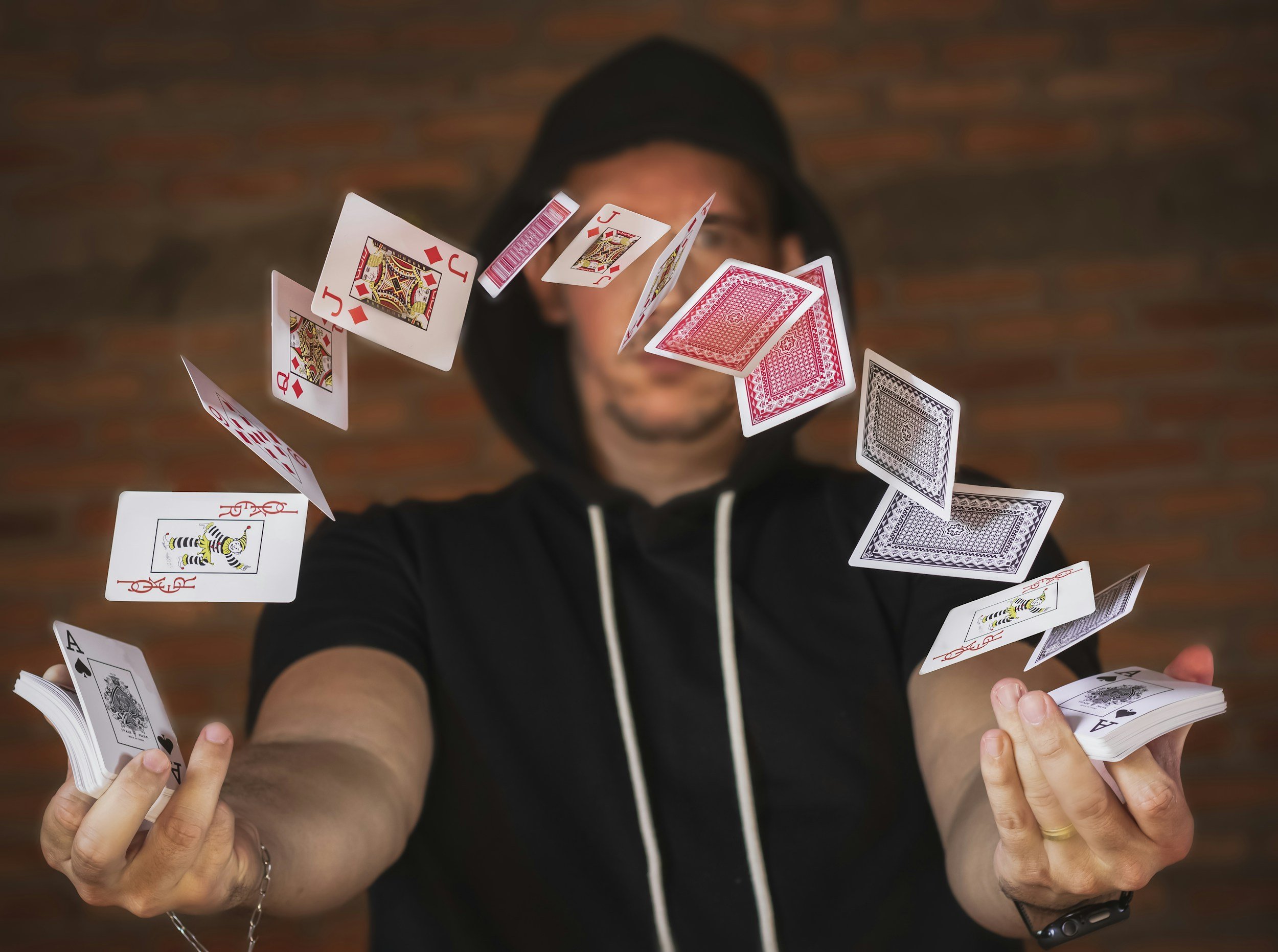
Virtual vs In-Person Magic Shows: Pros and Cons
Magic has always been about connection—between performer and audience, between perception and reality, and between people sharing a moment of wonder. But in today’s world, that connection can happen in two very different ways: in-person and virtual.
Each format offers unique advantages—and limitations.
If you’re planning an event, choosing between a virtual or in-person magic show isn’t just about convenience. It’s about experience, audience engagement, logistics, and overall impact.
This in-depth guide breaks down the pros and cons of virtual vs in-person magic shows, helping you decide which format is right for your event.
1. The Core Difference: Presence vs Accessibility
At the highest level, the difference comes down to:
In-person magic = physical presence and shared atmosphere
Virtual magic = accessibility and scalability
In-person shows rely on real-world interaction, while virtual shows rely on digital connection and screen-based engagement.
Both can be powerful—but in very different ways.
2. Audience Engagement
In-Person Magic Shows
Pros:
Direct eye contact and physical interaction
Stronger emotional reactions
Real-time audience energy (laughter, applause, surprise)
Hands-on participation (holding objects, signing items)
Cons:
Engagement can vary depending on seating and visibility
Larger audiences may feel less personally involved
Virtual Magic Shows
Pros:
Can involve every participant individually (via chat, camera, or choices)
Interactive tools (polls, chat responses, breakout rooms)
Personalized experiences (using names, responses, etc.)
Cons:
Limited physical interaction
Screen fatigue can reduce attention
Harder to maintain focus over long periods
Verdict:
In-person magic delivers stronger emotional impact, while virtual magic offers broader but lighter engagement.
3. Level of Interaction
In-Person
Guests can physically participate
Magic can happen in their hands
Group reactions feel more intense
Virtual
Interaction happens through:
Verbal participation
Chat responses
Visual cues on camera
Some tricks are designed specifically for screens
Key Insight:
In-person interaction is tangible, while virtual interaction is structured and digital.
4. Atmosphere and Experience
In-Person Magic Shows
Pros:
Shared environment enhances emotion
Lighting, sound, and staging create immersion
Audience reactions amplify the experience
Cons:
Dependent on venue quality
Requires proper setup for best results
Virtual Magic Shows
Pros:
Comfortable viewing from anywhere
Controlled visual framing (camera angles, close-ups)
No environmental distractions (if well managed)
Cons:
Lacks physical atmosphere
Harder to create a “shared room” feeling
Verdict:
In-person wins for immersion and atmosphere.
5. Convenience and Logistics
Virtual Magic Shows
Pros:
No travel required
Easy to organize
Accessible from anywhere in the world
Ideal for remote teams
Cons:
Requires stable internet connection
Technical issues can disrupt experience
In-Person Magic Shows
Pros:
No technical barriers
More natural flow
Cons:
Requires venue, scheduling, and travel
Higher logistical complexity
Verdict:
Virtual shows win for convenience and simplicity.
6. Cost Considerations
Virtual Magic
Typically lower cost due to:
No travel expenses
Less setup required
Shorter performance formats
In-Person Magic
Higher cost due to:
Travel and accommodation
Equipment and setup
Longer performance time
However:
In-person shows often deliver higher perceived value and impact, which can justify the cost.
7. Audience Size and Scalability
Virtual Shows
Pros:
Can scale to hundreds or thousands of participants
Ideal for global audiences
No venue limitations
Cons:
Engagement may decrease as audience size increases
In-Person Shows
Pros:
Strong engagement for small to medium groups
Better control of audience experience
Cons:
Limited by venue capacity
Verdict:
Virtual wins for scale, in-person wins for depth.
8. Personalization
Virtual Magic
Pros:
Easy to personalize using:
Names
Chat responses
On-screen interaction
Cons:
Less emotional depth in personalization
In-Person Magic
Pros:
Deep, meaningful personal interaction
Magic happens directly with individuals
Cons:
Limited number of people can be involved directly
9. Type of Magic Performed
In-Person Magic
Close-up magic (cards, coins, objects)
Stage illusions
Physical interaction-based tricks
Virtual Magic
Screen-based illusions
Mentalism and prediction effects
Interactive digital routines
Key difference:
Virtual magic is often designed for the screen, while in-person magic is designed for physical reality.
10. Energy and Emotional Impact
In-Person
High energy
Strong group reactions
Shared emotional peaks
Virtual
More controlled energy
Individual reactions
Less group amplification
Verdict:
In-person shows create stronger emotional highs.
11. Networking and Social Interaction
In-Person
Encourages conversation between guests
Builds connections naturally
Acts as a social catalyst
Virtual
Limited networking unless structured
Breakout rooms can help—but feel less organic
12. Flexibility and Adaptability
Virtual
Easy to schedule
Works across time zones
Can be recorded
In-Person
Requires fixed timing and location
Less flexible once planned
13. Memorability
In-Person Magic Shows
Strong sensory experience
Physical presence creates lasting memories
Shared reactions enhance recall
Virtual Magic Shows
Memorable if highly interactive
Less impactful if passive
Verdict:
In-person experiences are generally more memorable.
14. When to Choose Virtual Magic
Virtual magic is ideal when:
Your audience is remote or global
You need a cost-effective solution
You want easy logistics
You’re hosting a corporate online event
You need scalable entertainment
15. When to Choose In-Person Magic
In-person magic is ideal when:
You want maximum impact
Your event is social or experiential
Guests are physically present
You want strong emotional engagement
You’re hosting weddings, parties, or live corporate events
16. The Hybrid Option (Best of Both Worlds)
Many events now combine both formats.
Hybrid approach:
In-person magician for live audience
Virtual component for remote attendees
This allows:
Broader reach
Stronger engagement
Flexible participation
Visual Comparison: Virtual vs In-Person Magic
Final Thoughts
Virtual and in-person magic shows are not competitors—they are different tools for different goals.
Virtual magic excels in accessibility, scalability, and convenience
In-person magic excels in emotion, interaction, and unforgettable experiences
If your goal is efficiency and reach, virtual is the way to go.
If your goal is impact and connection, in-person is unmatched.
The best choice comes down to one question:
Do you want your audience to watch something impressive—or experience something unforgettable?
Because magic, at its best, is not just seen.
It’s felt.
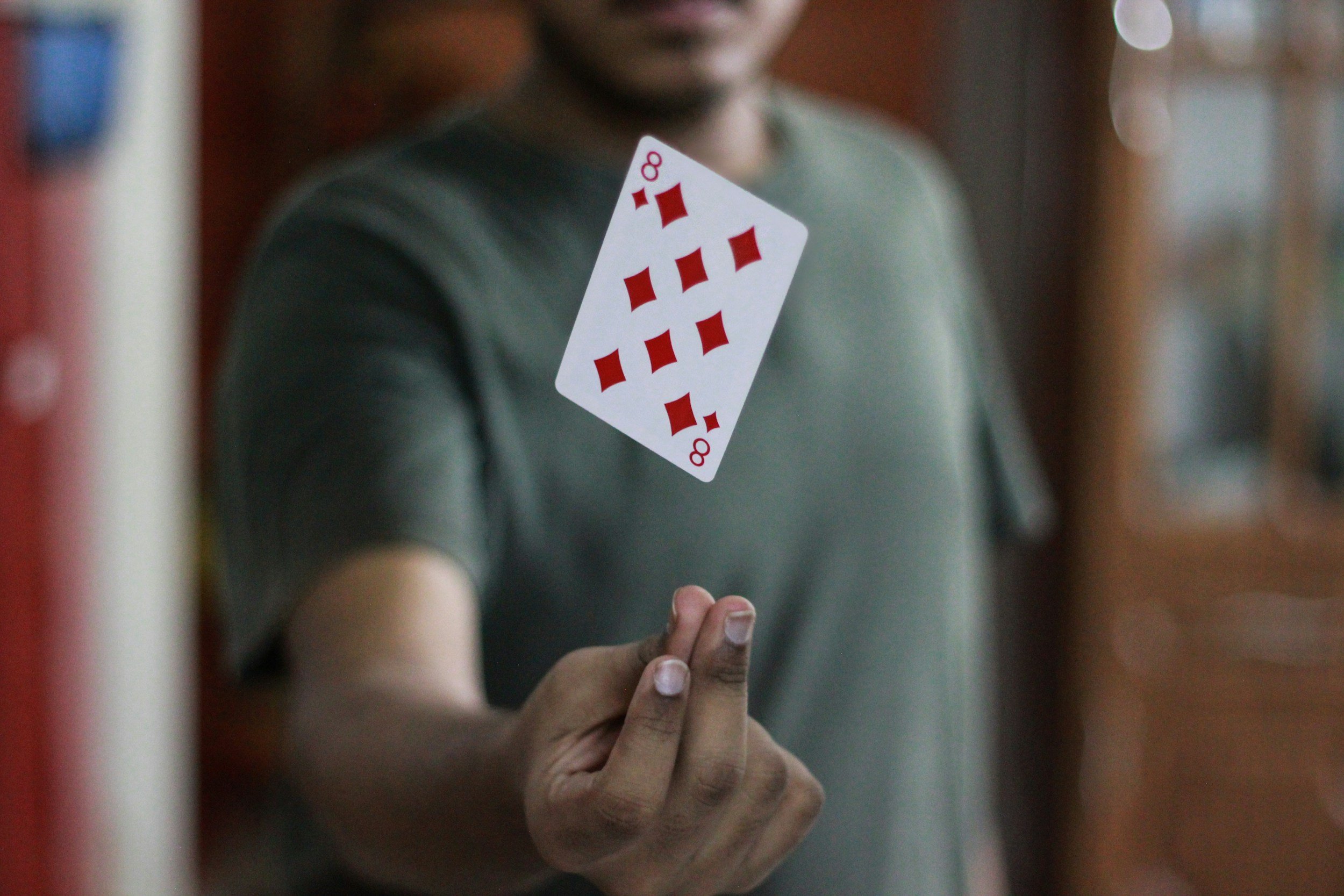
Seasonal Event Ideas Featuring a Magician (Christmas, Halloween, Weddings)
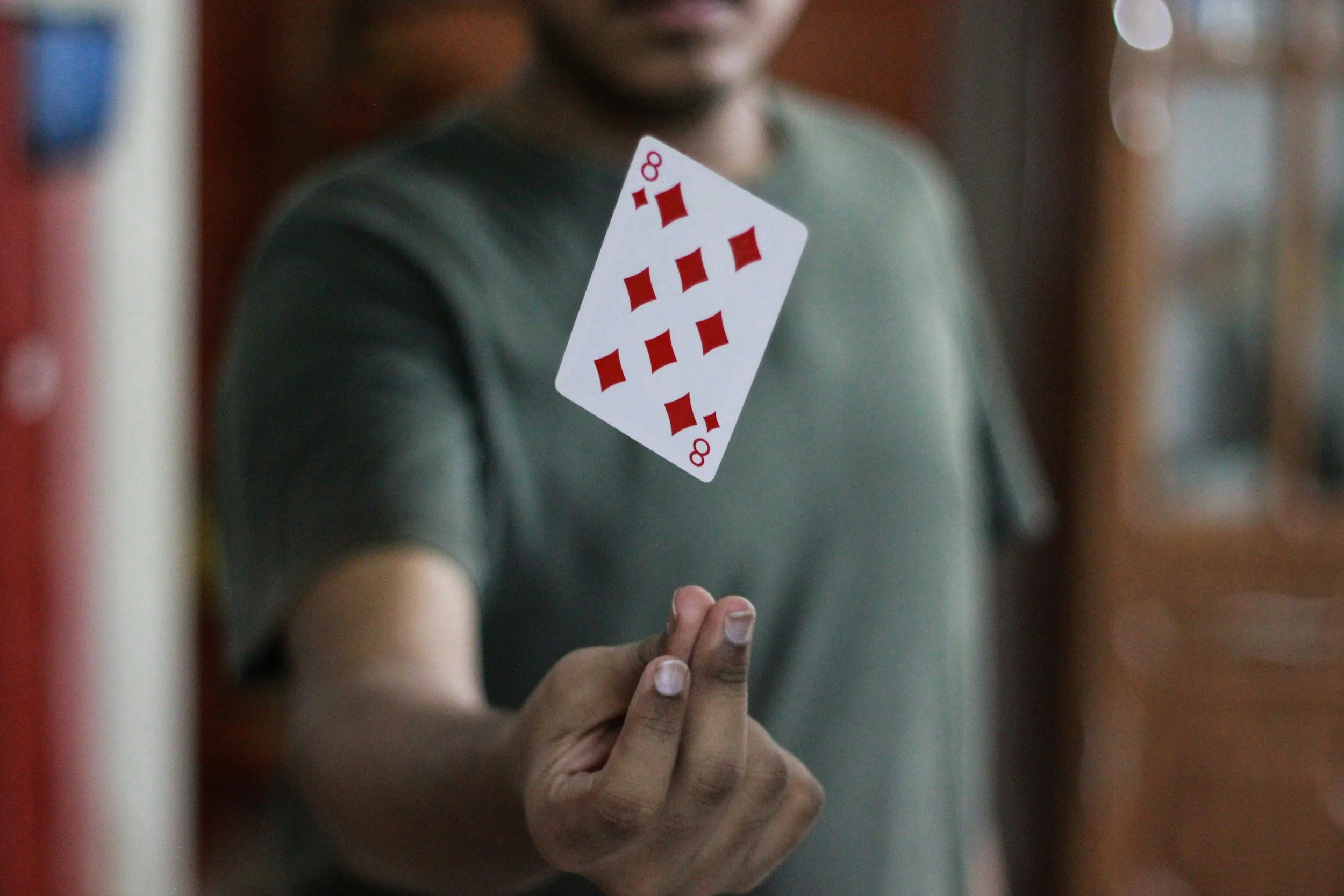
Seasonal events come with built-in atmosphere, emotion, and expectations. Whether it’s the warmth of Christmas, the mystery of Halloween, or the romance of weddings, each occasion offers a unique opportunity to create unforgettable experiences.
Adding a magician into the mix doesn’t just provide entertainment—it amplifies the theme, enhances interaction, and creates moments guests will remember long after the event ends.
This guide explores creative, high-impact ways to incorporate magic into seasonal events, with detailed ideas for Christmas, Halloween, and weddings, along with practical strategies to make each one stand out.
Christmas Events: Magical, Festive, and Heartwarming
Christmas events are naturally suited for magic. The holiday already revolves around wonder, surprise, and belief—making a magician feel like a seamless addition rather than an extra feature.
Why magic works so well at Christmas
The season is built on imagination and nostalgia
Guests are relaxed and open to entertainment
There are multiple moments throughout the event where magic can fit naturally
It works for both family-friendly and corporate environments
Christmas Event Ideas with a Magician
1. Festive Walkaround Magic During Cocktail Hour
A magician performing close-up magic during a Christmas party cocktail hour creates instant engagement.
Enhancements:
Holiday-themed tricks (snow, ornaments, gift boxes)
Red and green props or Christmas music integration
Personalized effects (e.g., predictions involving guests’ names)
Impact:
Breaks the ice quickly
Encourages mingling
Sets a warm, festive tone
2. “Santa’s Magic Helper” for Family Events
For family or corporate holiday parties with children, the magician can take on a themed role.
Concept:
The magician acts as Santa’s assistant
Performs magic related to gift-making or the North Pole
Involves children in interactive routines
Bonus idea:
Combine the magician with a Santa appearance for a full experience.
3. Holiday-Themed Stage Show
For larger Christmas events, a short stage show can act as a centerpiece.
Ideas:
Snowfall illusions
“Holiday wish” predictions
Gift transformations
Best timing:
After dinner
Before speeches
As a finale
4. Corporate Christmas Party Engagement
Corporate holiday parties benefit heavily from interactive entertainment.
Magic can:
Improve networking
Energize employees
Provide a shared experience
Advanced idea:
Include company branding or inside jokes in the performance.
5. Magical Gift Reveal Moments
Use a magician to reveal:
Employee awards
Secret Santa gifts
Special announcements
This turns ordinary moments into memorable highlights.
Halloween Events: Mystery, Suspense, and Dark Magic
Halloween is arguably the most natural fit for magic. The themes of mystery, illusion, and the supernatural align perfectly with what magicians do.
Why magic dominates Halloween events
Audiences expect the unexpected
The atmosphere encourages suspense
Dark or eerie themes enhance the experience
Guests are more open to immersive storytelling
Halloween Event Ideas with a Magician
1. Dark Close-Up Magic (Walkaround)
Instead of light, playful magic, Halloween performances can take on a darker tone.
Examples:
Mind reading
Psychological illusions
“Haunted” objects
Creepy predictions
Effect:
Creates an immersive, mysterious atmosphere.
2. Haunted Stage Show Experience
A magician can present a theatrical performance with a Halloween theme.
Concept ideas:
Ghost stories combined with magic
Séance-style performances
Paranormal-themed illusions
Important note:
This works especially well for adult audiences.
3. Interactive “Haunted Rooms”
Create a space where guests enter in small groups and experience close-up magic in a controlled environment.
Features:
Dim lighting
Sound effects
One-on-one or small group performances
Result:
Highly immersive and memorable experience.
4. Halloween Party Icebreaker Magic
At costume parties, guests often arrive in groups.
A magician helps:
Break social barriers
Get people interacting
Build energy early in the event
5. Story-Driven Magic Experiences
Instead of disconnected tricks, use a narrative.
Example:
A magician tells a story about a cursed object—and demonstrates it through magic.
Why it works:
Builds suspense
Creates emotional engagement
Fits the Halloween theme perfectly
Weddings: Elegant, Personal, and Memorable
Weddings are one of the most effective settings for magic—but only when done right.
Why magic works at weddings
Guests often don’t know each other
There are natural gaps in the schedule
The atmosphere is social and celebratory
Couples want unique experiences
Wedding Magic Ideas
1. Cocktail Hour Close-Up Magic
This is the most popular and effective use of magic at weddings.
Why it works:
Guests are waiting between ceremony and reception
Social groups are forming
Energy needs to build
Impact:
Breaks the ice instantly
Creates shared moments
Keeps guests entertained
2. Table-to-Table Magic During Dinner
A magician visits tables between courses.
Benefits:
Keeps guests engaged
Creates mini experiences for each group
Prevents downtime boredom
3. Personalized Magic for the Couple
Customization makes wedding magic stand out.
Ideas:
Tricks involving the couple’s story
Predictions about their future
Magic using wedding rings or personal items
This creates emotional, meaningful moments.
4. Reception Highlight Performance
A short stage or group performance can act as a highlight moment.
Best timing:
After dinner
Before dancing begins
Goal:
Bring all guests together for a shared experience.
5. Magic for Wedding Photos & Content
Magic creates authentic reactions:
Surprise
Laughter
Amazement
These moments are perfect for:
Photography
Videography
Social media
Cross-Seasonal Ideas That Work for Any Event
While Christmas, Halloween, and weddings each have unique characteristics, some magic concepts work across all seasonal events.
1. Interactive Icebreaking
Regardless of the event:
Magic helps guests connect
Reduces awkwardness
Builds energy quickly
2. Custom Theming
A professional magician can adapt:
Props
Storylines
Presentation style
to match any event theme.
3. Hybrid Performances
Combining:
Walkaround magic
Short stage segments
creates both personal and shared experiences.
4. Strategic Timing
Magic works best when placed during:
Transitions
Downtime
Early social periods
5. Creating “Moments,” Not Just Entertainment
The most successful events don’t just include magic—they use it to create key moments:
A reveal
A shared experience
A memorable highlight
Choosing the Right Type of Magician for Seasonal Events
Not all magicians fit every event.
For Christmas:
Warm, engaging, family-friendly performers
Strong interactive skills
For Halloween:
Mentalists or darker-themed magicians
Strong storytelling ability
For weddings:
Close-up specialists
Charismatic and personable performers
Final Thoughts
Seasonal events already have built-in themes, emotions, and expectations.
Adding a magician doesn’t just fill time—it elevates the entire experience.
At Christmas, magic enhances warmth and wonder
At Halloween, it deepens mystery and suspense
At weddings, it creates connection and unforgettable moments
The key is not just hiring a magician, but integrating them into the event thoughtfully.
Because when done right, magic doesn’t feel like an add-on.
It becomes the part of the event people talk about, remember, and carry with them long after it’s over.
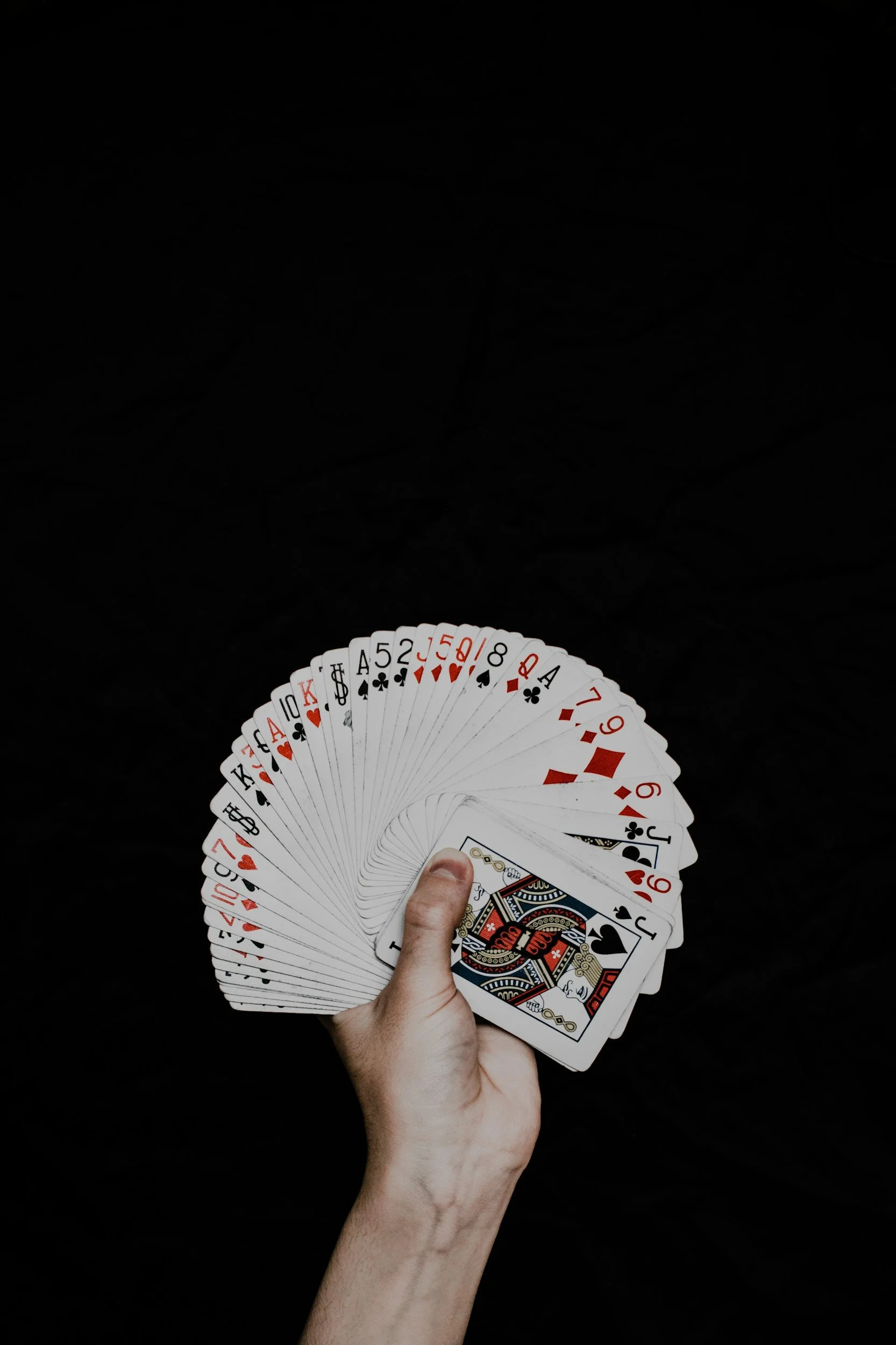
Why Live Entertainment Beats DJs and Speakers at Events
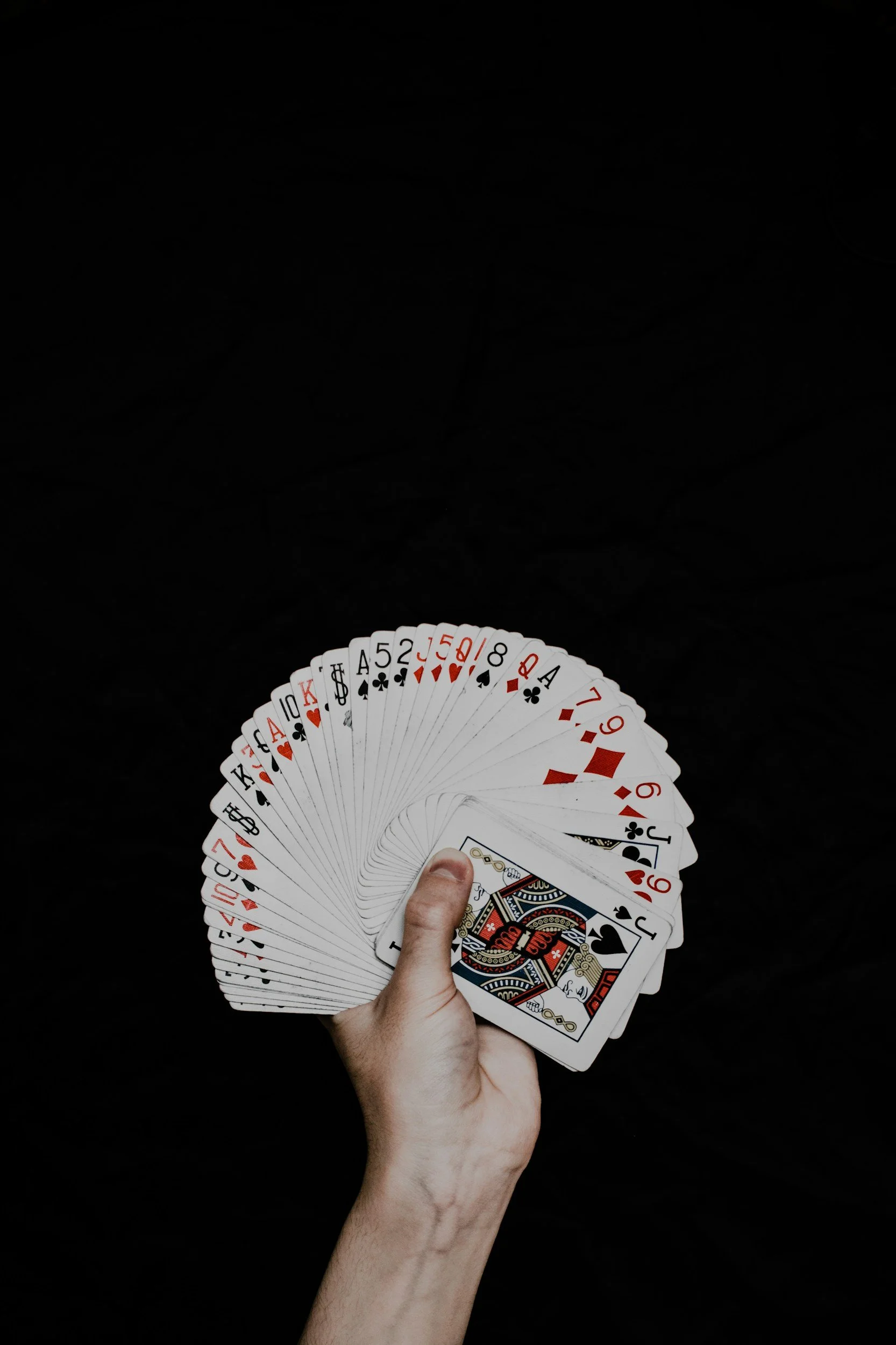
When planning an event—whether it’s a corporate function, wedding, private party, or brand activation—one of the most important decisions is how you will entertain your guests. Traditionally, many organizers default to DJs or speakers. They’re familiar, widely available, and easy to book.
But here’s the reality: live entertainment consistently delivers a more engaging, memorable, and impactful experience than DJs or speakers alone.
This doesn’t mean DJs and speakers don’t have value—they absolutely do. But if your goal is to create a dynamic, interactive, and unforgettable event, live entertainment offers advantages that passive formats simply cannot match.
In this in-depth guide, we’ll break down exactly why live entertainment beats DJs and speakers, and how it transforms events from ordinary to exceptional.
1. Live Entertainment Is Interactive, Not Passive
The biggest difference between live entertainment and DJs or speakers comes down to one word: interaction.
DJs and Speakers:
Primarily one-directional
Audience listens or observes
Limited engagement beyond reaction
Live Entertainment:
Two-way experience
Audience participates
Performer adapts in real time
Whether it’s a magician, comedian, or live performer, interaction is built into the experience.
Why this matters
People remember what they participate in, not just what they watch.
Interactive entertainment:
Increases engagement
Creates personal involvement
Builds emotional connection
2. It Creates Memorable Moments (Not Just Background Atmosphere)
A DJ often sets the mood. A speaker delivers information or inspiration.
But live entertainment creates moments.
The difference:
A DJ provides continuous sound
A speaker delivers structured content
A live performer creates highlight experiences
These moments become:
Stories guests tell afterward
Social media content
Lasting memories tied to your event
Example
Guests may not remember the playlist or keynote details—but they will remember:
The moment something impossible happened
The time they were brought on stage
The shared reaction with others
3. It Breaks Social Barriers Instantly
Many events struggle with one core issue: guests don’t know each other.
DJs:
Encourage dancing (later in the event)
Limited impact on early social interaction
Speakers:
Focus attention forward
Do not encourage guest-to-guest interaction
Live entertainment:
Brings people together immediately
Creates shared reactions
Sparks conversation
A live performer acts as a social catalyst.
Result:
Faster networking
Less awkwardness
Stronger connections between guests
4. It Adapts in Real Time
Live entertainment is dynamic.
DJs:
Can adjust music, but interaction is limited
Speakers:
Usually follow a fixed script or presentation
Live performers:
Read the room
Adjust pacing
Respond to audience energy
Change approach based on reactions
Why this is powerful
Every event is different.
A live entertainer can:
Increase energy when needed
Slow down for impact
Shift tone based on audience mood
This flexibility ensures the experience always feels relevant and engaging.
5. It Works Across All Event Phases
Live entertainment is incredibly versatile.
DJs:
Best for background music or dancing
Speakers:
Best for structured segments
Live entertainment:
Works throughout the entire event
Examples:
Cocktail hour: interactive engagement
Dinner: light entertainment
Main event: stage performance
Networking: social interaction
This adaptability makes live entertainment a multi-purpose solution.
6. It Keeps Energy Levels High
Energy naturally fluctuates during events.
Common problem:
Guests lose interest
Conversations fade
Attention drops
Live entertainment solves this by:
Re-energizing the room
Creating bursts of excitement
Maintaining momentum
Unlike a speaker (who may lose attention) or a DJ (who may fade into the background), live performers actively control energy levels.
7. It Appeals to a Wider Audience
Different guests have different preferences.
DJs:
Appeal mainly to those who enjoy music and dancing
Speakers:
Appeal to those interested in the topic
Live entertainment:
Appeals to almost everyone
Why?
Because it combines:
Visual elements
Emotional reactions
Interactive moments
Universal curiosity
This makes it ideal for mixed audiences.
8. It Encourages Presence (Not Distraction)
Modern events often struggle with attention.
Guests:
Check phones
Drift in conversations
Lose focus
Live entertainment demands attention
When something unexpected happens:
People look up
They engage
They stay present
Result:
Higher focus
Better engagement
Stronger experience
9. It Creates Emotional Impact
Emotion is what makes events memorable.
DJs:
Create mood through music
Speakers:
Inspire or inform
Live entertainment:
Creates emotional reactions in real time
Examples:
Surprise
Laughter
Amazement
Curiosity
These emotions create a deeper connection to the event.
10. It Generates Organic Conversation
After a live performance, guests naturally talk.
Typical reactions:
“How did that happen?”
“Did you see that?”
“What do you think it was?”
This leads to:
Continued interaction
Stronger networking
More dynamic atmosphere
DJs and speakers rarely create this level of ongoing conversation.
11. It Feels Premium and Unique
Many events use DJs and speakers.
Live entertainment stands out.
Why it feels premium:
Less common
More personalized
More engaging
Higher perceived value
Guests often associate live entertainment with:
High-end events
Exclusive experiences
Thoughtful planning
12. It Works for Both Small and Large Groups
Live entertainment scales effectively.
Small events:
Intimate interaction
Personalized experiences
Large events:
Stage performances
Shared group reactions
Few entertainment options work equally well at both scales.
13. It Supports Event Objectives
Live entertainment can be aligned with goals.
Examples:
Corporate events:
Reinforce messaging
Improve networking
Increase engagement
Weddings:
Break the ice
Entertain guests
Create shared moments
Brand events:
Increase attention
Enhance recall
Drive engagement
This makes it more than entertainment—it becomes a strategic tool.
14. It Reduces Awkward Downtime
Every event has transitions:
Waiting periods
Schedule gaps
Delays
DJs:
Provide background noise
Speakers:
Cannot fill unexpected gaps
Live entertainers:
Step in dynamically
Fill downtime seamlessly
Keep guests engaged
15. It Leaves a Lasting Impression
At the end of the event, what do guests remember?
Not the playlist.
Not every word of a speech.
They remember experiences.
Live entertainment creates:
Highlight moments
Emotional peaks
Shared memories
These are what people take with them.
16. The Ideal Approach: Combine, Don’t Replace
It’s important to be realistic.
The best events don’t always eliminate DJs or speakers—they enhance them.
Ideal setup:
DJ for atmosphere and transitions
Speaker for messaging or structure
Live entertainer for engagement and impact
This combination creates a well-rounded event experience.
Final Thoughts
DJs and speakers serve important roles in events—but they are often passive forms of engagement.
Live entertainment is different.
It:
Engages directly
Creates interaction
Builds connection
Generates emotion
Leaves lasting memories
If your goal is to create an event that people truly experience—not just attend—live entertainment is the most effective way to achieve it.
Because in the end, the best events are not the ones people listen to.
They’re the ones people remember—and talk about long after they’re over.
The History of Magic: From Ancient Illusions to Modern Entertainment (In-Depth)
Magic is one of humanity’s oldest and most enduring forms of expression. Long before it became a structured performing art, magic existed as belief, ritual, and mystery—woven into the earliest attempts to understand the world. Over thousands of years, it evolved from sacred ceremony to street performance, from feared practice to celebrated entertainment, and from simple sleight-of-hand to psychologically sophisticated illusion.
To truly understand magic today, you have to understand where it came from. This is not just a story about tricks—it is a story about human perception, culture, fear, curiosity, and creativity.
1. Magic Before Entertainment: Ritual, Belief, and Power
In prehistoric and early ancient societies, magic was not entertainment. It was functional—a tool used to explain and influence the unknown.
Early humans lived in a world filled with uncertainty: unpredictable weather, disease, death, and natural disasters. Without scientific understanding, these phenomena were often attributed to supernatural forces. Those who appeared able to influence or interpret these forces—shamans, priests, spiritual leaders—held immense power.
These figures performed rituals that, from a modern perspective, resemble theatrical performances:
Chanting and rhythmic movement
Use of symbolic objects
Controlled environments (firelight, smoke, darkness)
Dramatic timing and repetition
These elements created powerful psychological effects. They heightened emotion, focused attention, and produced experiences that felt otherworldly. While these were not “magic tricks” in the modern sense, they laid the foundation for performance techniques still used by magicians today—misdirection, timing, and control of perception.
In this early stage, magic was inseparable from religion and proto-science. There was no distinction between illusion and belief. If something appeared impossible, it was often accepted as real.
2. Ancient Civilizations: The First Recorded Illusions
As civilizations developed, so did more structured forms of magic-like performance.
Ancient Egypt
One of the earliest written records of magical performance appears in the Westcar Papyrus, dating to around 2500 BCE. This text tells stories of magicians performing feats that sound strikingly similar to modern illusions.
A figure named Dedi is described as performing decapitation and restoration illusions—removing the heads of animals and restoring them to life. While these accounts are likely exaggerated or symbolic, they suggest that staged illusion was already understood as a form of spectacle.
Egyptian priests also used hidden mechanisms in temples to create effects such as:
Doors that opened seemingly on their own
Statues that appeared to move
Flames that ignited mysteriously
These were not just religious experiences—they were carefully engineered illusions designed to reinforce authority and belief.
Greece and Rome
In ancient Greece, thinkers like Plato and Aristotle began exploring perception, reality, and illusion. While they were not magicians, their philosophical work laid intellectual groundwork for understanding how and why magic works.
Meanwhile, entertainers in Greek and Roman marketplaces performed sleight-of-hand tricks for public amusement. These early performers used techniques like:
The cups and balls
Object vanishes
Basic misdirection
This marks one of the first clear separations between magic as belief and magic as entertainment.
3. The Middle Ages: Fear, Suppression, and Survival
The Middle Ages were a complicated period for magic.
With the rise of dominant religious institutions such as the Catholic Church, anything resembling supernatural power outside of approved doctrine became suspect. Magic was often associated with:
Witchcraft
Heresy
Demonic influence
This created a dangerous environment for performers. A magician demonstrating an illusion could be accused of possessing real supernatural powers—and punished accordingly.
As a result, performers adapted.
They began presenting themselves not as magicians, but as:
Jugglers
Tricksters
Entertainers
They emphasized humor and skill rather than mystery, distancing themselves from claims of real power. This shift was crucial. It allowed magic to survive, even if it had to operate in the shadows.
Ironically, this period helped refine magic as performance. Since magicians could no longer rely on claims of supernatural ability, they had to rely on skill, presentation, and deception.
4. The Renaissance: Magic Becomes Rational
The Renaissance marked a turning point in the history of magic. As scientific thinking began to emerge, people started questioning long-held beliefs about the supernatural.
One of the most important figures of this period was Reginald Scot. His 1584 book The Discoverie of Witchcraft aimed to debunk claims of witchcraft by revealing how many supposed “supernatural” feats were actually tricks.
This had two major effects:
It helped reduce fear and persecution associated with magic
It unintentionally provided a foundation for modern magicians
By exposing methods, Scot demonstrated that magic could be understood, studied, and performed without invoking supernatural forces.
During this time, magic began to re-emerge as a form of entertainment, particularly in public spaces like fairs and markets.
5. The Birth of Modern Magic: 18th and 19th Centuries
The 18th and 19th centuries saw magic transform into a structured performing art.
From Street to Stage
Before this period, magic was mostly informal—performed in streets and public spaces. But during the 1800s, it moved into theatres, where it became more refined and theatrical.
The key figure in this transformation was Jean Eugène Robert-Houdin.
Robert-Houdin introduced several revolutionary ideas:
Performing in formal attire rather than mystical costumes
Presenting magic as a sophisticated art
Using technology and mechanics to enhance illusions
He shifted the image of the magician from a mysterious sorcerer to a skilled performer.
Influence of Technology
The Industrial Revolution played a major role in advancing magic. New technologies allowed for:
Complex mechanical illusions
Hidden compartments and devices
Advanced stage setups
Magic became larger, more impressive, and more theatrical.
6. The Golden Age of Magic: Late 19th to Early 20th Century
This era is often considered the golden age of magic.
Magic became a central part of popular entertainment, especially through vaudeville—a form of variety theatre that featured multiple acts.
The Rise of Iconic Performers
One of the most famous magicians of all time, Harry Houdini, emerged during this period.
Houdini’s specialty was escape artistry. He performed daring feats such as:
Escaping from handcuffs
Breaking out of locked containers
Surviving underwater confinement
What made Houdini unique was not just his skill, but his branding. He marketed himself as a man who could defy physical limits, blending danger with illusion.
Other performers, like Howard Thurston, focused on large-scale stage illusions, further expanding the scope of magic.
7. The 20th Century: Mass Media and Global Expansion
The 20th century brought magic to a global audience.
Television and Film
Television revolutionized magic. Performers could now reach millions of viewers simultaneously.
Magicians like David Copperfield took full advantage of this medium. Copperfield’s performances were cinematic, combining:
Storytelling
Large-scale illusions
Emotional narratives
His illusions—such as making the Statue of Liberty disappear—blurred the line between magic and spectacle.
Las Vegas and Commercial Magic
Las Vegas became a hub for magic shows, offering permanent stages for performers and turning magic into a major entertainment industry.
8. The Close-Up Revolution
While stage magic grew larger, another movement was happening in the opposite direction.
Magicians like Dai Vernon focused on close-up magic—intimate performances using small objects like cards and coins.
This style emphasized:
Technical precision
Subtlety
Direct audience interaction
Close-up magic proved that you didn’t need large props or stages to create powerful experiences.
9. Modern Magic: Psychology, Art, and Innovation
Today, magic is more diverse than ever.
Mentalism and Psychological Magic
Performers like Derren Brown focus on the human mind, using psychology, suggestion, and perception to create illusions.
This style feels more intellectual and often blurs the line between magic and psychology.
Artistic Magic
Magicians such as Shin Lim emphasize visual storytelling and emotional impact, transforming magic into a form of art.
Comedy and Deconstruction
Acts like Penn & Teller challenge traditional magic by combining humor with transparency, sometimes revealing methods while still maintaining the illusion.
10. The Digital Age: Magic in a Connected World
The internet has changed magic dramatically.
Magicians now perform on:
Social media platforms
Streaming services
Virtual events
Magic has become:
More accessible
More global
More experimental
Virtual magic shows, in particular, demonstrate how adaptable magic is. Even through a screen, the principles of perception and misdirection still work.
11. Why Magic Has Endured
Magic has survived for thousands of years because it taps into fundamental aspects of human nature:
Curiosity: We want to understand the unknown
Wonder: We enjoy experiences that defy expectation
Emotion: Surprise and amazement are powerful feelings
Connection: Shared experiences bring people together
Magic is not just about deception—it is about creating meaningful moments.
Final Thoughts
The history of magic is a reflection of human evolution.
It began as belief, became performance, and evolved into art.
From ancient rituals to modern stages, from feared practice to global entertainment, magic has continuously adapted to the world around it.
And yet, its core remains unchanged:
It creates moments where the impossible feels real.
In a world driven by logic and explanation, magic reminds us that mystery still has a place—and that sometimes, not knowing is the most powerful experience of all.

How to Make Your Event More Interactive with a Magician

One of the biggest challenges in event planning is creating an experience that feels alive, engaging, and memorable. Guests don’t just want to attend—they want to participate, connect, and feel part of something happening in real time.
This is exactly where a magician becomes incredibly powerful.
Unlike passive entertainment (like music or speeches), magic is naturally interactive. But simply hiring a magician isn’t enough—you need to structure the experience intentionally to maximize engagement.
This guide will show you how to make your event more interactive with a magician, using proven strategies that transform guests from observers into active participants.
1. Choose the Right Type of Magic for Interaction
Not all magic is equally interactive. The format you choose determines how involved your guests will be.
Best options for interaction:
Close-Up (Walkaround) Magic
Performed in small groups
Happens right in guests’ hands
Encourages conversation
Interactive Mentalism
Involves audience decisions
Creates shared group experiences
Feels personal and immersive
Hybrid Shows (Close-Up + Stage)
Combines personal interaction with group moments
Less interactive formats:
Long stage-only performances
Highly scripted illusion shows with minimal audience involvement
Key takeaway: If interaction is your goal, prioritize close-up or interactive formats.
2. Use Magic During Social Moments (Not Just as a Show)
One of the biggest mistakes is treating magic as a standalone segment only.
To maximize interaction, integrate magic into natural social moments.
Best timing opportunities:
Cocktail Hour
Guests are mingling
Conversations are just starting
Perfect for ice-breaking
Networking Sessions
Magic helps strangers connect
Encourages group formation
Between Event Transitions
Keeps energy high
Prevents downtime awkwardness
Table-to-Table During Dinner
Creates mini shared experiences
Keeps guests engaged
Result: Guests interact organically instead of waiting for entertainment.
3. Encourage Guest Participation Early
The earlier guests get involved, the more interactive the entire event becomes.
How to do this:
Ask the magician to engage guests within the first 10–15 minutes
Start with small, low-pressure interactions
Use quick, visual tricks to draw attention
Once people see others reacting, they naturally want to participate.
4. Design Moments Where Guests Become Part of the Magic
The most memorable magic moments happen when guests are directly involved.
Examples of participation:
Signing a card or object
Holding items during a trick
Making choices that affect outcomes
Being the “focus” of a routine
Participating in predictions
Why this works:
When something happens in a guest’s hands, it creates:
Stronger emotional impact
Personal connection
Lasting memory
Tip: Ask your magician to include multiple “hands-on” moments.
5. Create Small Group Experiences Instead of One Large Audience
Large audiences reduce interaction.
Instead, break the event into smaller, dynamic clusters.
How to do it:
Use walkaround magic
Let the magician move between groups
Encourage guests to gather naturally
Benefits:
More personal experiences
More people actively engaged
Higher energy across the room
This turns your event into multiple interactive moments happening simultaneously.
6. Use Magic as a Conversation Starter
One of the biggest benefits of magic is that it creates instant conversation.
After a trick, guests naturally ask:
“How did that happen?”
“Did you see what I saw?”
“What do you think the method was?”
How to amplify this:
Allow time between performances
Avoid rushing guests to the next activity
Let conversations develop organically
Magic doesn’t just entertain—it fuels interaction between guests.
7. Incorporate Personalized or Customized Magic
Customization makes interaction more meaningful.
Ideas for personalization:
For weddings:
Use the couple’s names
Incorporate love story elements
Predict relationship details
For corporate events:
Include company branding
Use products or themes
Align tricks with messaging
For private parties:
Reference the host or guest of honor
Include inside jokes or themes
Result:
Guests feel the experience is designed specifically for them, increasing engagement.
8. Use Interactive Group Effects
Some of the strongest magic happens when multiple people participate at once.
Examples:
Group predictions
Multiple volunteers involved in one trick
Everyone making a choice simultaneously
Shared outcomes revealed together
Why this works:
Creates collective excitement
Builds shared memories
Strengthens group connection
9. Position the Magician Strategically
Where the magician performs affects interaction.
Best positioning strategies:
For walkaround magic:
Start near high-traffic areas
Move toward quieter groups
Balance coverage across the room
For stage segments:
Ensure visibility for all guests
Use audience volunteers
Keep audience engaged visually and verbally
Goal: Maximize accessibility and visibility.
10. Combine Magic with Other Interactive Elements
Magic works even better when combined with other interactive features.
Examples:
Photo booths (capture reactions)
Live music breaks between magic sets
Interactive games or activities
Networking sessions
Magic acts as the centerpiece, while other elements support engagement.
11. Encourage Guests to Be Present (Reduce Distractions)
Interaction requires attention.
Tips:
Avoid scheduling magic during phone-heavy moments
Encourage guests to stay engaged
Create an atmosphere where attention is valued
When guests are present, magic becomes far more powerful.
12. Use Magic to Bridge Different Groups
At many events, guests arrive in separate social circles.
Magic helps connect them.
How:
The magician introduces people within groups
Shared reactions break social barriers
Guests bond over the experience
This is especially useful for:
Weddings
Corporate networking events
Mixed social gatherings
13. Build Toward a Shared Highlight Moment
Even if your event includes walkaround magic, consider adding a shared highlight.
Examples:
A short stage performance
A group mentalism routine
A finale involving multiple guests
Why it matters:
Brings everyone together
Creates a unified experience
Leaves a strong final impression
14. Capture the Reactions
Interactive magic creates incredible reactions.
Use this to your advantage:
Hire a photographer or videographer
Capture genuine surprise and laughter
Share content after the event
These moments become:
Social media content
Marketing material (for corporate events)
Lasting memories
15. Choose the Right Magician Personality
Interaction depends heavily on the performer.
Look for magicians who are:
Approachable
Charismatic
Adaptable
Comfortable with crowds
Skilled in conversation
A technically skilled magician without social ability will struggle to create interaction.
16. Avoid Overloading the Schedule
Too many activities reduce interaction.
Instead:
Leave breathing room
Allow magic to flow naturally
Avoid rigid scheduling
Interaction thrives in flexible environments.
17. Set Expectations with Your Guests
Let guests know something interactive is happening.
You can:
Mention it in invitations
Have the host introduce the magician
Encourage participation
When guests are prepared, they engage more easily.
18. Use Magic to Maintain Energy Throughout the Event
Energy levels fluctuate during events.
Magic helps:
Re-energize the room
Re-engage distracted guests
Maintain momentum
Best practice:
Schedule magic during:
Low-energy periods
Transitions
Mid-event lulls
19. Create a Flow, Not Just Moments
The best interactive events feel seamless.
How to achieve this:
Coordinate timing with the magician
Align magic with event structure
Ensure smooth transitions
Magic should feel like part of the event—not an interruption.
20. Focus on Experience, Not Just Entertainment
The ultimate goal is not just to entertain—it is to create an experience.
Interactive magic delivers:
Personal moments
Shared reactions
Emotional engagement
Lasting memories
When done right, guests don’t just watch—they become part of the story.
Final Thoughts
Making your event more interactive with a magician is not about adding entertainment—it’s about designing engagement.
By choosing the right type of magic, timing it strategically, encouraging participation, and creating opportunities for connection, you transform your event from something people attend into something they experience.
Because the most memorable events are not the ones people watch.
They’re the ones people are part of.
And that’s exactly what interactive magic delivers.

Kids Magic Shows vs Adult Magic Shows: What’s the Difference?

Magic is one of the rare forms of entertainment that can captivate audiences of all ages. However, not all magic shows are created equal. A performance designed for children is fundamentally different from one created for adults—not just in content, but in structure, pacing, psychology, and overall experience.
Understanding these differences is essential whether you’re hiring a magician, planning an event, or simply curious about how professional magic adapts to different audiences.
In this guide, we break down the key differences between kids magic shows and adult magic shows, including performance style, audience engagement, humor, complexity, and expectations.
1. The Core Difference: Purpose of the Show
At the highest level, the difference comes down to what the audience is looking for.
Kids Magic Shows
Focus on fun, laughter, and visual excitement
Aim to entertain and engage quickly
Designed to hold short attention spans
Adult Magic Shows
Focus on amazement, mystery, and psychological impact
Aim to create deeper emotional reactions
Designed for longer attention spans and layered thinking
Children want to be entertained immediately. Adults want to be amazed—and sometimes challenged.
2. Performance Style
Kids Magic Show Style
Kids magic is high-energy, expressive, and animated.
Characteristics:
Bright colors and visual props
Exaggerated facial expressions
Loud, enthusiastic delivery
Physical comedy (slapstick humor)
Clear, simple storytelling
The magician often acts almost like a cartoon character—larger than life and constantly engaging.
Adult Magic Show Style
Adult magic is more controlled, subtle, and polished.
Characteristics:
Calm, confident delivery
Minimal but meaningful gestures
Sophisticated tone
Strong stage presence
Focus on mystery rather than spectacle
Performers often rely more on charisma and psychological control than exaggerated performance.
3. Type of Magic Performed
Kids Magic
Kids magic relies heavily on visual and easy-to-follow effects.
Common tricks:
Appearing/disappearing objects
Color-changing props
Silly “mistake” tricks
Simple card or object routines
Magic involving puppets or animals
The focus is clarity and entertainment—not complexity.
Adult Magic
Adult magic often includes more advanced and deceptive techniques.
Common styles:
Close-up card magic
Mentalism (mind reading, predictions)
Sleight of hand
Psychological illusions
Stage illusions
Performers like Shin Lim focus on technical mastery and visual elegance, while performers like Derren Brown emphasize psychological depth.
4. Audience Interaction
Kids Shows
Interaction is constant and energetic.
What to expect:
Kids shouting answers
Group participation
Volunteers coming on stage
Call-and-response moments
Repetition and reinforcement
Children are encouraged to be loud and expressive.
Adult Shows
Interaction is more controlled and selective.
What to expect:
Carefully chosen volunteers
Structured participation
Personal involvement in key moments
Quiet, focused attention
Adults participate less frequently, but more meaningfully.
5. Humor Style
Kids Magic Humor
Kids humor is simple, physical, and repetitive.
Examples:
Silly mistakes
Visual gags
Slapstick comedy
Running jokes
Children enjoy repetition and predictable humor patterns.
Adult Magic Humor
Adult humor is subtle, conversational, and intelligent.
Examples:
Wit and wordplay
Observational humor
Sarcasm or irony
Situational comedy
Performers like Penn & Teller blend humor with clever illusions that appeal to adult audiences.
6. Attention Span and Pacing
Kids Shows
Children have shorter attention spans.
Structure:
Fast-paced routines
Frequent changes
Constant engagement
Short tricks (2–5 minutes each)
If energy drops, attention disappears quickly.
Adult Shows
Adults can handle longer, more complex routines.
Structure:
Slower pacing
Build-up and suspense
Longer routines
Layered storytelling
Adults enjoy anticipation and delayed payoff.
7. Complexity of Tricks
Kids Magic
Simple and easy to understand
Focus on visual clarity
Minimal explanation required
The goal is immediate enjoyment.
Adult Magic
Complex and deceptive
Multiple layers of method
Psychological misdirection
The goal is to create confusion and amazement.
8. Emotional Impact
Kids Shows
Primary emotions:
Laughter
Excitement
Joy
Kids react loudly and instantly.
Adult Shows
Primary emotions:
Surprise
Curiosity
Amazement
Suspense
Adults often react more subtly—but think more deeply about the experience afterward.
9. Role of Storytelling
Kids Magic
Storytelling is:
Simple
Clear
Easy to follow
Often used to set up jokes or visual effects.
Adult Magic
Storytelling is:
Deeper and more layered
Sometimes philosophical
Emotionally engaging
Modern magicians often use storytelling to create meaning behind illusions.
10. Use of Props and Visuals
Kids Shows
Props are:
Bright and colorful
Large and visible
Fun and playful
Examples:
Wands
Silks
Cartoon-style objects
Adult Shows
Props are:
Minimal and elegant
Often everyday objects
Subtle and realistic
Examples:
Playing cards
Coins
Phones
Personal items
11. Environment and Setting
Kids Magic Shows
Common settings:
Birthday parties
Schools
Family events
Environment is often:
Noisy
High-energy
Informal
Adult Magic Shows
Common settings:
Corporate events
Weddings
Theatres
Private parties
Environment is:
More controlled
Structured
Atmosphere-driven
12. Performer Skill Requirements
Kids Magicians Need:
High energy and stamina
Strong crowd control
Ability to handle unpredictable behavior
Quick adaptability
Adult Magicians Need:
Advanced technical skill
Strong psychological understanding
Stage presence
Precision and timing
Both require expertise—but in very different areas.
13. Handling Audience Behavior
Kids Shows
Challenges include:
Interruptions
Overexcitement
Short attention spans
Magicians must:
Maintain control
Keep energy high
Manage group dynamics
Adult Shows
Challenges include:
Skepticism
Distraction (phones, conversation)
Analytical thinking
Magicians must:
Maintain focus
Control attention
Engage intellectually
14. Duration of Shows
Kids Shows
20–45 minutes typical
Shorter segments
Adult Shows
30–90 minutes
Longer routines and pacing
15. Overall Experience
Kids Magic Experience
Loud
Energetic
Fun-focused
Highly interactive
Adult Magic Experience
Engaging
Thought-provoking
Emotionally layered
Sometimes mysterious or dramatic
Key Differences Summary
Kids Magic Shows:
High energy
Simple tricks
Loud interaction
Visual humor
Fast pacing
Adult Magic Shows:
Controlled delivery
Complex illusions
Selective interaction
Intellectual humor
Slower pacing
Can One Magician Do Both?
Some magicians can perform for both audiences—but it requires major adjustments.
They must change:
Language
pacing
trick selection
humor style
interaction approach
Not all magicians are equally skilled at both.
Which One Should You Choose?
Choose a Kids Magician if:
Audience is primarily children
Event is a birthday or school function
You want high energy and fun
Choose an Adult Magician if:
Audience is mostly adults
Event is corporate or formal
You want sophisticated entertainment
Mixed Audience?
Choose a versatile performer who can balance both styles.
Final Thoughts
Kids magic shows and adult magic shows may share the same foundation—but they are completely different experiences.
Kids magic is about fun, energy, and engagement.
Adult magic is about mystery, psychology, and amazement.
Both are powerful in their own way.
The key is understanding your audience and choosing the right style to match their expectations.
Because when the right magician meets the right audience, magic becomes more than entertainment.
It becomes an unforgettable experience.

Why Magic Is Perfect for Corporate Team Building Events

Corporate team building has evolved far beyond trust falls and awkward icebreaker games. Today’s organizations are looking for experiences that are engaging, memorable, and genuinely effective at bringing people together. The goal is not just to “do an activity,” but to create real connections, improve communication, and strengthen team dynamics.
This is where magic stands out.
Magic is one of the most powerful and underrated tools for corporate team building. It blends entertainment, psychology, interaction, and shared experience into a format that naturally breaks barriers and brings people closer together—without feeling forced.
In this guide, we’ll explore exactly why magic is perfect for corporate team building events, how it works in a business environment, and what makes it so effective compared to traditional activities.
1. Magic Instantly Breaks the Ice
One of the biggest challenges in team building is overcoming initial social hesitation.
In many corporate settings:
Employees may not know each other well
Hierarchies can create distance
People may feel uncomfortable participating
Magic solves this immediately.
How it works
When a magician performs:
People gather naturally around the performance
Reactions happen instantly (laughter, surprise, curiosity)
Shared experiences replace awkward introductions
Instead of forcing conversation, magic creates a reason to interact.
The result
Faster connection between team members
Reduced social barriers
A more relaxed environment
2. It Creates Shared Experiences
Strong teams are built on shared moments.
Magic creates:
Collective reactions
Group discussions
Emotional memories
When multiple people witness something impossible together, it becomes a shared reference point.
Example
After a performance, you’ll often hear:
“How did he do that?”
“Did you see what happened?”
“I was holding it—it changed in my hands!”
These conversations continue long after the performance ends.
Why this matters
Shared experiences:
Strengthen team bonds
Improve communication
Create positive workplace memories
3. Magic Encourages Communication
Unlike passive entertainment, magic requires interaction.
During a magic performance, people:
Talk to each other
Compare observations
Share reactions
Debate explanations
This naturally encourages communication without pressure.
Why this is effective
Traditional team-building exercises often feel forced.
Magic, on the other hand:
Encourages organic conversation
Removes performance anxiety
Allows participation at different comfort levels
Even introverted team members feel comfortable engaging.
4. It Works for All Personality Types
One of the biggest challenges in team building is accommodating different personalities.
Magic is inclusive because:
Introverts can observe quietly
Extroverts can participate actively
Analytical thinkers can try to solve the trick
Creative thinkers can enjoy the experience
There is no “wrong way” to engage with magic.
Result
Everyone feels included—without being forced outside their comfort zone.
5. Magic Builds Curiosity and Problem-Solving Mindsets
Magic naturally triggers curiosity.
When people see a magic trick, they think:
“How did that happen?”
“What did I miss?”
“What’s the explanation?”
This encourages:
Critical thinking
Observation skills
Analytical discussion
Why this matters in business
Curiosity and problem-solving are essential workplace skills.
Magic reinforces these behaviors in a fun, low-pressure environment.
6. It Removes Hierarchical Barriers
Corporate environments often have built-in hierarchies:
Executives
Managers
Employees
These roles can create social distance.
Magic changes the dynamic
During a magic performance:
Everyone becomes an audience member
Everyone reacts equally
Everyone shares the same experience
A CEO and a junior employee can laugh, react, and engage in the same way.
Result
Flatter social dynamics
More approachable interactions
Stronger team cohesion
7. Magic Is Highly Interactive
Modern magic is not just performed—it’s experienced.
Interactive elements include:
Audience participation
Decision-making
Physical involvement (holding objects, choosing cards)
Group-based effects
Why interaction matters
Interactive experiences:
Increase engagement
Improve retention
Strengthen emotional impact
People remember what they participate in—not just what they watch.
8. It Creates Positive Emotional Energy
Emotions play a major role in team building.
Magic generates:
Surprise
Joy
Laughter
Amazement
These emotions create a positive atmosphere that carries throughout the event.
Why this is important
Positive emotional experiences:
Improve team morale
Reduce stress
Increase openness and collaboration
9. Magic Is Flexible and Adaptable
Magic can fit almost any corporate event format.
It works for:
Small team gatherings
Large conferences
Networking events
Holiday parties
Workshops
Retreats
Performance formats include:
Walkaround (close-up) magic
Stage shows
Mentalism performances
Virtual magic shows
This flexibility makes it easy to integrate into existing event schedules.
10. It Works Both In-Person and Virtually
Modern workplaces are increasingly hybrid.
Magic adapts seamlessly.
In-person events:
Close-up magic during networking
Stage performances for large groups
Virtual events:
Interactive online magic shows
Remote participation
Global team engagement
Few entertainment options work equally well in both formats.
11. Magic Enhances Networking
Networking is a key part of many corporate events.
The problem
People struggle to start conversations
Groups form slowly
Energy can feel low
The solution
A magician acts as a social bridge.
What happens
People gather around the performance
Conversations start naturally
Guests interact without pressure
Result
Better networking outcomes and stronger connections.
12. It Is Memorable
Many team-building activities are forgotten quickly.
Magic is different.
Why magic sticks
It challenges logic
It creates emotional reactions
It sparks curiosity
People remember:
What they felt
What they experienced
What they couldn’t explain
13. It Reinforces Key Business Messages
Professional corporate magicians can customize performances.
This includes:
Integrating company values
Highlighting key themes
Reinforcing event messaging
Aligning with branding
Example
A magician might:
Use a product in a trick
Create a metaphor around teamwork
Build a routine around communication
This turns entertainment into a strategic tool.
14. It Requires Minimal Setup
Compared to many activities, magic is easy to implement.
Benefits:
No complex logistics
Minimal equipment (for close-up magic)
Quick setup and teardown
Works in almost any venue
This makes it ideal for corporate planners.
15. It Delivers High ROI (Return on Experience)
From a business perspective, magic offers strong value.
You get:
High engagement
Strong emotional impact
Memorable experiences
Improved team interaction
All without the logistical complexity of many team-building programs.
16. It Encourages Collaboration
Some magic routines involve group participation.
This can include:
Multiple participants working together
Shared decision-making
Group problem-solving
Result
Encourages teamwork
Builds trust
Reinforces collaboration
17. It Feels Effortless (But Isn’t)
The best part about magic is that it doesn’t feel like work.
Unlike traditional team-building exercises, magic:
Feels natural
Feels fun
Doesn’t require preparation from participants
Yet behind the scenes, it achieves many of the same goals.
18. It Differentiates Your Event
Corporate events can feel repetitive.
Magic adds something unique.
It helps your event:
Stand out
Feel premium
Be talked about afterward
Guests are far more likely to remember an event with magic than one without.
19. It Scales Easily
Magic works for:
10 people
100 people
1,000+ people
Few activities scale this effectively.
20. It Leaves a Lasting Impression
At the end of the day, team building is about impact.
Magic creates:
Stories people tell later
Shared memories
Strong emotional connections
It turns a corporate event into something people actually remember.
Final Thoughts
Magic is more than entertainment—it is a powerful team-building tool.
It breaks the ice, encourages communication, creates shared experiences, and builds positive emotional connections in a way that feels effortless and natural.
In a world where corporate teams are increasingly diverse, remote, and fast-paced, magic offers something rare:
A moment where everyone stops, engages, and experiences something together.
That is what makes it so effective.
Because the best team-building experiences are not the ones people are told to participate in.
They are the ones people genuinely enjoy.
And that is exactly what magic delivers.
Best Types of Events to Hire a Magician For
Magic is one of the most versatile forms of live entertainment available. Unlike DJs, bands, or speakers, magicians don’t just perform—they interact, engage, and create shared moments between guests. That makes them uniquely valuable across a wide range of events.
But not every event benefits from magic in the same way.
Some settings amplify the impact of a magician, turning them into the highlight of the entire experience. Others may require specific styles or formats to truly work.
In this guide, we break down the best types of events to hire a magician for, explain why magic works so well in each setting, and show you how to match the right type of magician to the right occasion.
1. Weddings
Weddings are one of the most popular—and most effective—events for hiring a magician.
Why magic works at weddings
Weddings bring together people from different social circles:
Family members who don’t know each other
Friends from different stages of life
Coworkers meeting relatives for the first time
This creates a natural challenge: how do you get everyone interacting comfortably?
A magician solves this instantly.
Best moments for magic at weddings
Cocktail Hour
This is the #1 opportunity for magic.
Guests are:
Waiting for the reception to begin
Standing in small groups
Looking for conversation starters
A close-up magician moves from group to group, creating instant engagement.
Between Courses
Light entertainment during dinner keeps energy high.
Reception Transition Periods
Magic fills gaps while photos, speeches, or setup changes occur.
Best type of magician
Close-up magician (walkaround)
Light comedy magician
Optional short stage performance
Why it’s powerful
Magic:
Breaks social barriers
Creates shared reactions
Keeps guests entertained during downtime
Adds a premium feel to the event
2. Corporate Events
Corporate events are one of the highest-value use cases for professional magicians.
Types of corporate events
Holiday parties
Product launches
Conferences
Trade shows
Networking events
Award ceremonies
Why magic works in corporate settings
Corporate environments can feel formal or reserved.
Magic helps by:
Encouraging interaction
Energizing the room
Creating memorable brand experiences
Keeping attendees engaged
Best formats
Walkaround Magic
Perfect for networking events and cocktail sessions.
Mentalism Shows
Great for:
Executive audiences
Formal dinners
Conferences
Stage Magic
Ideal for:
Award ceremonies
Large corporate gatherings
Additional advantage
Magicians can incorporate:
Company messaging
Branding
Product themes
This turns entertainment into a strategic engagement tool.
3. Private Parties
Private parties are one of the most flexible environments for magic.
Types of private events
Birthday parties
Anniversaries
House parties
Holiday gatherings
Milestone celebrations
Why magic works
Private parties often rely on social interaction to succeed.
Magic:
Gives guests something to talk about
Creates memorable moments
Keeps energy high
Prevents awkward silences
Best magician styles
Close-up magician
Comedy magician
Interactive performer
Unique benefit
Magic adapts easily to:
Small groups
Casual settings
Flexible timelines
4. Corporate Networking Events
Networking events are one of the most underrated uses for magic.
The problem
Networking can feel awkward:
People don’t know how to start conversations
Groups form slowly
Energy can be low
The solution
A magician becomes a social catalyst.
What happens
Small groups form around performances
Guests naturally start talking
Shared reactions create instant connection
Conversations continue after the magician leaves
Best format
Close-up walkaround magic
Result
Better networking outcomes and a more dynamic event.
5. Trade Shows and Exhibitions
Trade shows are competitive environments where attention is everything.
The challenge
Hundreds of booths competing
Attendees overwhelmed with information
Short attention spans
Why magic works
A magician:
Draws crowds
Stops foot traffic
Keeps people engaged longer
Creates memorable brand experiences
Best approach
Booth-specific magician
Customized tricks featuring product or brand
Short, repeatable performances
Business benefit
Magic increases:
Booth traffic
Lead generation
Brand recall
6. Holiday Parties
Holiday events (especially corporate ones) are ideal for magic.
Why magic fits perfectly
Guests are relaxed and social
Atmosphere is festive
People expect entertainment
Best magician types
Close-up magician
Comedy magician
Stage performer for larger events
Key benefits
Keeps guests entertained throughout
Adds energy to the celebration
Works for mixed age groups
7. Birthday Parties (Adults & Kids)
Magic is a classic choice for birthdays—but it evolves with age.
Kids’ Birthday Parties
Why it works:
Visual, colorful, fun
High engagement
Keeps children focused
Best magician:
Children’s entertainer
Comedy magician
Adult Birthday Parties
Why it works:
Interactive entertainment
Conversation starter
Unique experience
Best magician:
Close-up magician
Mentalist
8. Luxury and High-End Events
High-end events demand premium experiences.
Examples
VIP parties
Luxury brand launches
Private client events
Exclusive galas
Why magic works
Magic adds:
Sophistication
Exclusivity
Personal engagement
Best styles
Mentalism
Elegant close-up magic
Customized performances
Key advantage
Luxury events benefit from subtle, intelligent entertainment rather than loud spectacle.
9. Engagement Parties
Engagement parties are social and celebratory.
Why magic works
Guests often meeting for first time
Relaxed but meaningful atmosphere
Opportunity for shared moments
Best format
Close-up magic during mingling
Bonus idea
Personalized tricks involving:
The couple
Their story
Future predictions
10. Fundraisers and Charity Events
Magic is highly effective at fundraising events.
Why it works
Keeps guests engaged
Encourages social interaction
Enhances overall experience
Best formats
Walkaround magic during reception
Stage performance during main program
Added benefit
Magicians can:
Support fundraising messaging
Participate in auctions or special segments
11. Restaurant and Hospitality Events
Some venues use magicians as part of their regular entertainment.
Why it works
Enhances guest experience
Encourages repeat visits
Differentiates venue from competitors
Best format
Table-side close-up magic
12. School and Educational Events
Magic can be both entertaining and educational.
Why it works
Captures attention
Encourages curiosity
Makes learning interactive
Best magician
Educational entertainer
Comedy magician
13. Virtual Events
Virtual magic has become a major category.
Best for
Remote corporate teams
Online celebrations
Global audiences
Why it works
Interactive through screen
Personalized participation
Accessible from anywhere
14. Product Launches
Magic is powerful for unveiling products.
Why it works
Creates suspense
Builds anticipation
Enhances reveal moment
Best format
Customized illusion
Branded performance
15. Conferences and Large Events
Large events need structured entertainment.
Best use
Opening act
Mid-event energizer
Closing performance
Best magician type
Stage magician
Mentalist
How to Choose the Right Event for Magic
Not every event automatically benefits from magic.
Ideal conditions for hiring a magician:
Guests are socializing
You want interaction
There are natural gaps in schedule
You want memorable experiences
Audience is open to entertainment
Less ideal situations:
Highly formal, silent environments
Extremely short events with no downtime
Events where focus must remain strictly on business
Final Thoughts
Magic is one of the most adaptable and engaging forms of entertainment available today.
From weddings and corporate events to private parties and trade shows, the right magician can transform an ordinary gathering into something unforgettable.
The key is not just hiring a magician—but hiring the right type of magician for the right event.
When matched correctly, magic becomes more than entertainment.
It becomes the moment people remember, talk about, and associate with your event long after it ends.
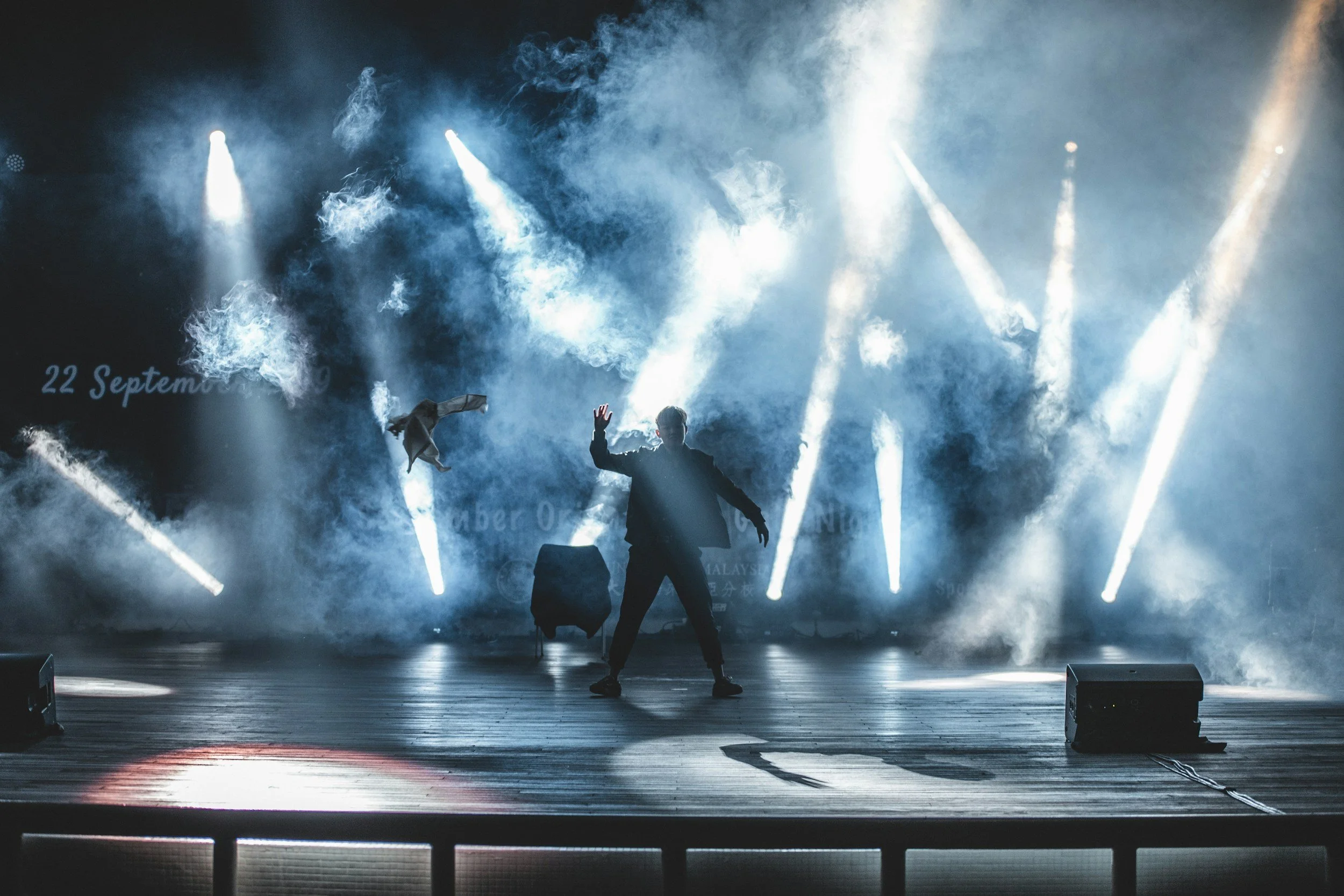
How Virtual Magic Shows Work (and Why They Still Amaze Audiences)
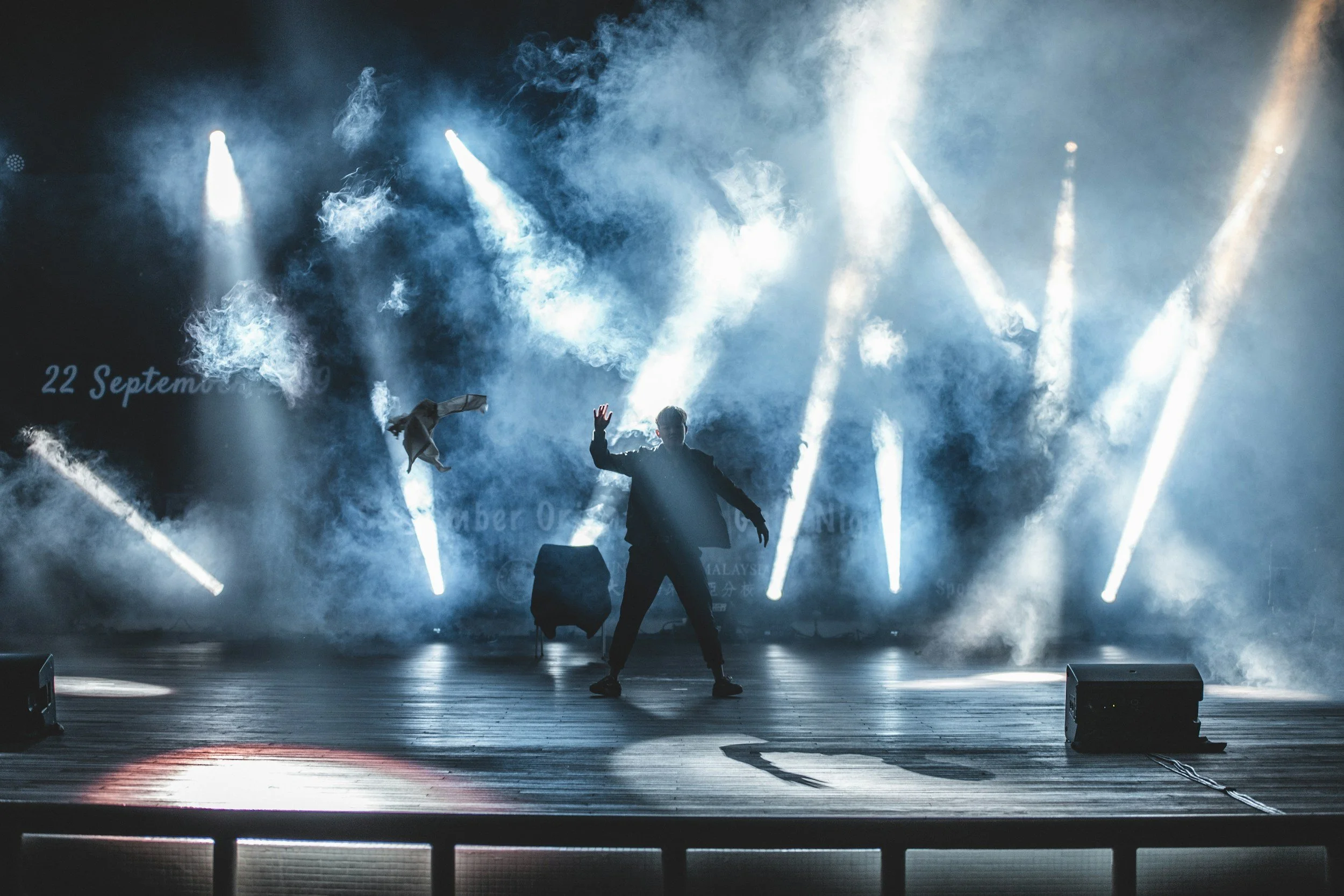
Virtual magic shows have transformed the entertainment industry in ways few people expected. What once seemed impossible—delivering interactive, mind-blowing magic through a screen—has now become a thriving and highly effective form of live entertainment.
Whether for corporate teams, remote celebrations, online conferences, or global audiences, virtual magicians have proven that distance does not diminish wonder. In many cases, it enhances it.
But how exactly do virtual magic shows work? And more importantly, why do they still feel so powerful, even without a physical stage?
This comprehensive guide explains everything—from the technology behind virtual magic to the psychology that makes it just as astonishing as live performances.
1. What Is a Virtual Magic Show?
A virtual magic show is a live, interactive performance delivered through video conferencing platforms such as Zoom, Microsoft Teams, Google Meet, or custom streaming platforms.
Unlike pre-recorded content, virtual magic is typically performed in real time, allowing direct audience interaction, participation, and engagement.
The key difference is simple:
Traditional magic: performed in person
Virtual magic: performed through a screen
But the experience is far more sophisticated than just “watching magic online.”
2. The Core Components of a Virtual Magic Show
A successful virtual magic show relies on three essential elements:
1. Live Performance
The magician performs in real time, often from a studio or controlled environment. This ensures:
Authentic reactions
Real-time interaction
Flexibility based on audience energy
2. Audience Interaction
Audience participation is built into the show. This may include:
Speaking directly with participants
Using chat features
Asking viewers to make choices
Calling on volunteers
Using webcams for interaction
3. Screen-Based Illusion Design
Virtual magic is not just traditional tricks done on camera. It is designed specifically for the digital environment.
Magicians adapt their methods to:
Camera framing
Screen perspective
Digital tools
Audience attention patterns
3. How Virtual Magic Tricks Actually Work
While magicians never reveal their exact methods, we can explain the categories of techniques used in virtual magic.
A. Visual Close-Up Magic for Camera
This includes:
Card tricks
Coin tricks
Object transformations
Sleight of hand
These tricks are adapted for camera angles to ensure clarity and impact.
The camera acts as the “audience’s eyes,” so everything is optimized for visibility and deception.
B. Interactive Choice-Based Magic
One of the most powerful aspects of virtual magic is decision-based illusions.
Examples include:
Think of any number
Choose a card mentally
Pick a word or object
Make free decisions
The magician then reveals predictions that match those choices.
This works extremely well online because:
Each participant feels individually involved
The illusion feels personal, even in large groups
C. Mentalism and Psychological Illusions
Virtual magic heavily leans on mentalism because it translates perfectly to digital environments.
Common effects include:
Mind reading
Predictions
Influence experiments
Memory demonstrations
Because these effects rely on thought processes rather than physical props, they work seamlessly over video.
D. Household Object Magic
Some virtual magicians involve items viewers already have at home.
Examples:
Playing cards
Phones
Coins
Paper and pen
This creates a powerful effect:
The magic happens in the participant’s own hands—even though the magician is remote.
E. Digital Magic and Screen Effects
Modern virtual magic may incorporate:
On-screen graphics
Digital predictions
Interactive apps
Visual overlays
However, professional magicians use these sparingly to maintain authenticity.
4. Why Virtual Magic Still Feels Real
At first glance, it might seem like virtual magic would feel less convincing than live performance.
In reality, many audiences find it equally—or even more—astonishing.
Here’s why:
1. The Screen Creates Focus
In live environments, distractions are everywhere.
In virtual shows:
The screen controls attention
The magician controls pacing
Visual focus is tighter
This actually strengthens misdirection.
2. Personal Participation
Virtual magic often involves:
Individual choices
Direct interaction
Personalized outcomes
This makes the experience feel highly personal—even in large groups.
3. Psychological Illusion Is Stronger Than Physical Distance
Many of the strongest magic effects are not visual—they are psychological.
When a magician predicts your thought or influences your decision, distance becomes irrelevant.
4. The “Impossible Location” Effect
When magic happens through a screen, the brain struggles with a new question:
“How can this be happening when the performer is not physically here?”
This adds an extra layer of mystery.
5. Types of Virtual Magic Shows
Virtual magic shows are not one-size-fits-all. They are tailored to different event types.
Corporate Virtual Magic Shows
These are the most popular format.
Features:
Team-building interaction
Company branding integration
Group participation
Clean, professional presentation
Common uses:
Remote team events
Holiday parties
Client engagement sessions
Virtual conferences
Virtual Private Party Shows
Used for birthdays, anniversaries, and celebrations.
Features:
Personalized routines
Guest involvement
Lighthearted tone
Flexible structure
Virtual Stage Shows
These are larger, more structured performances delivered to large audiences.
Features:
Hosted presentation
Spotlighted participants
Structured beginning, middle, end
Designed for hundreds of viewers
Virtual Close-Up Sessions
Small group magic experiences.
Features:
Breakout room performances
Intimate interaction
High engagement level
6. The Technology Behind Virtual Magic
Virtual magic relies on a combination of:
1. Video Conferencing Platforms
Common platforms:
Zoom
Microsoft Teams
Google Meet
Webinar platforms
Each offers different levels of interaction.
2. Camera Setup
Professional magicians use:
High-quality cameras
Multiple angles (sometimes)
Controlled framing
Studio lighting
This ensures clarity and professionalism.
3. Audio Quality
Clear sound is critical.
Magicians often use:
External microphones
Audio mixing tools
4. Internet Stability
A strong internet connection ensures:
Smooth performance
No lag during key moments
Consistent interaction
5. Backup Systems
Professional performers often have:
Backup internet connections
Redundant equipment
Contingency plans
This ensures reliability.
7. What Makes a Virtual Magician Different
Not every magician can perform virtually.
Virtual magic requires additional skills:
1. On-Camera Presence
Performers must:
Be engaging through a screen
Maintain energy digitally
Connect without physical presence
2. Technical Understanding
They must understand:
Camera framing
Lighting
Audio setup
Platform features
3. Adaptability
Virtual audiences behave differently than live ones.
Magicians must:
Read digital cues
Adjust pacing
Manage group interaction
4. Script Design
Virtual shows are tightly scripted to maintain flow and engagement.
8. Common Audience Experiences
During a virtual magic show, you can expect:
Being asked to participate
Making choices or decisions
Watching others react live
Seeing impossible outcomes unfold
Laughing and interacting with others
Experiencing surprise and disbelief
Even through a screen, reactions are often:
Loud
Emotional
Shared across the group
9. Advantages of Virtual Magic Shows
Virtual magic offers unique benefits.
1. Global Accessibility
People from different countries can attend the same show.
2. Cost Efficiency
No travel or venue costs.
3. Convenience
Guests can join from anywhere.
4. Scalable Audience Size
Shows can accommodate:
Small teams
Large conferences
5. Unique Experience
Virtual magic feels different from live shows, offering a fresh perspective.
10. Limitations of Virtual Magic
While powerful, virtual magic has some limitations.
1. No Physical Presence
There is no in-person energy or atmosphere.
2. Screen Fatigue
Long online events can reduce attention span.
3. Technical Issues
Internet problems can disrupt flow.
4. Limited Physical Interaction
Guests cannot physically examine objects.
11. Why Virtual Magic Became So Popular
Virtual magic rose significantly during global lockdowns and remote work transitions.
However, it remained popular because:
Companies embraced remote culture
Hybrid events became standard
Global teams needed shared experiences
Digital entertainment evolved
Virtual magic filled a unique gap in interactive online entertainment.
12. The Future of Virtual Magic
Virtual magic is not a temporary trend—it is now a permanent category.
Future developments may include:
Augmented reality integration
Interactive apps
Hybrid live + virtual performances
AI-driven audience interaction
Enhanced digital illusions
Magicians will continue blending technology with traditional techniques.
13. Tips for Getting the Best Experience
If you’re attending a virtual magic show:
Join from a quiet environment
Turn your camera on (if possible)
Participate when invited
Stay engaged
Avoid multitasking
The more you engage, the stronger the experience.
Final Thoughts
Virtual magic shows prove that wonder is not limited by physical space.
Even through a screen, magicians can create moments that feel impossible, personal, and unforgettable.
By combining psychology, technology, and performance skill, virtual magicians have redefined what live entertainment can be.
They don’t just adapt magic to the digital world—they transform it.
And in doing so, they remind us of something powerful:
Magic is not about where it happens.
It is about how it makes you feel.
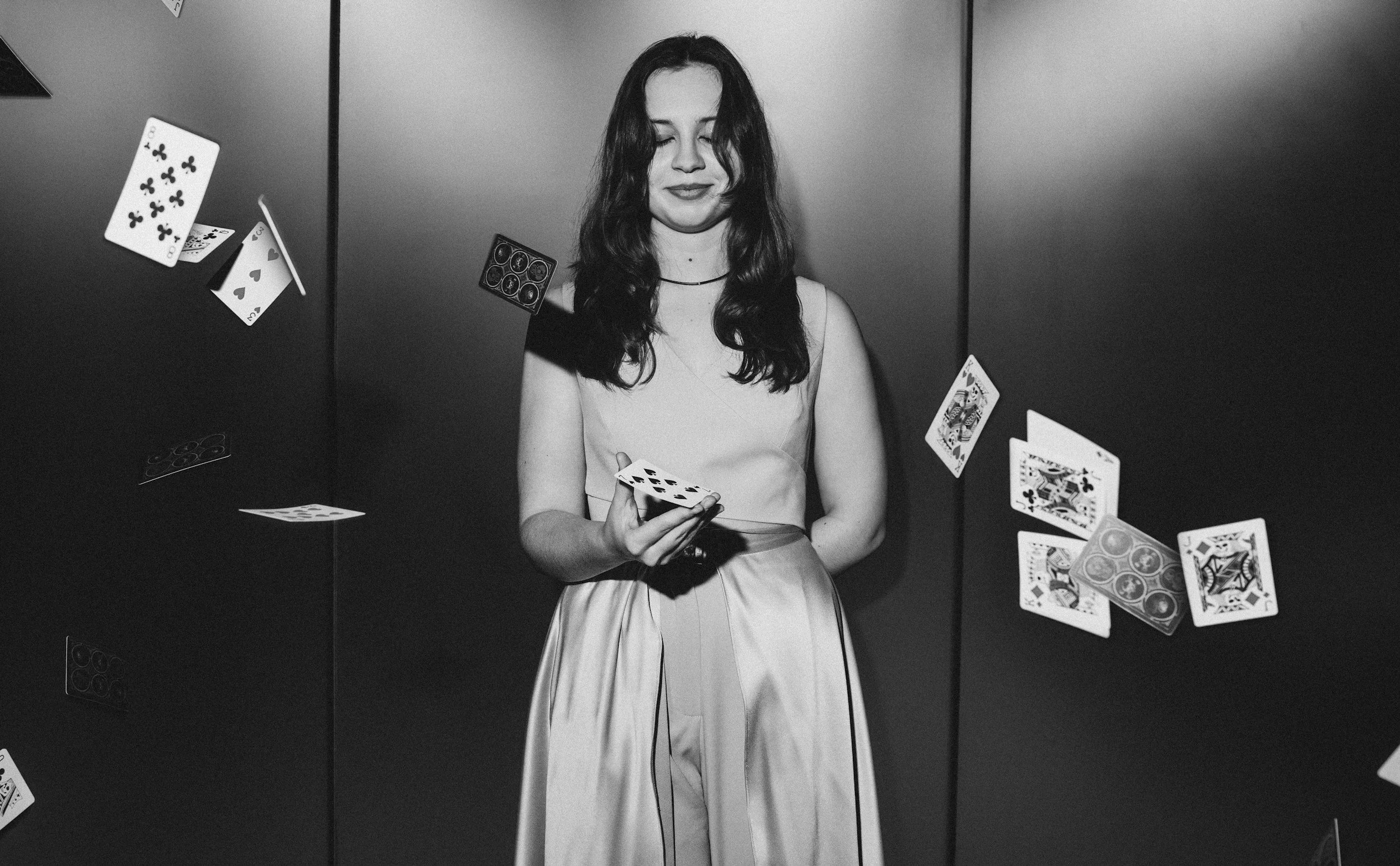
What to Expect from a Professional Magic Show
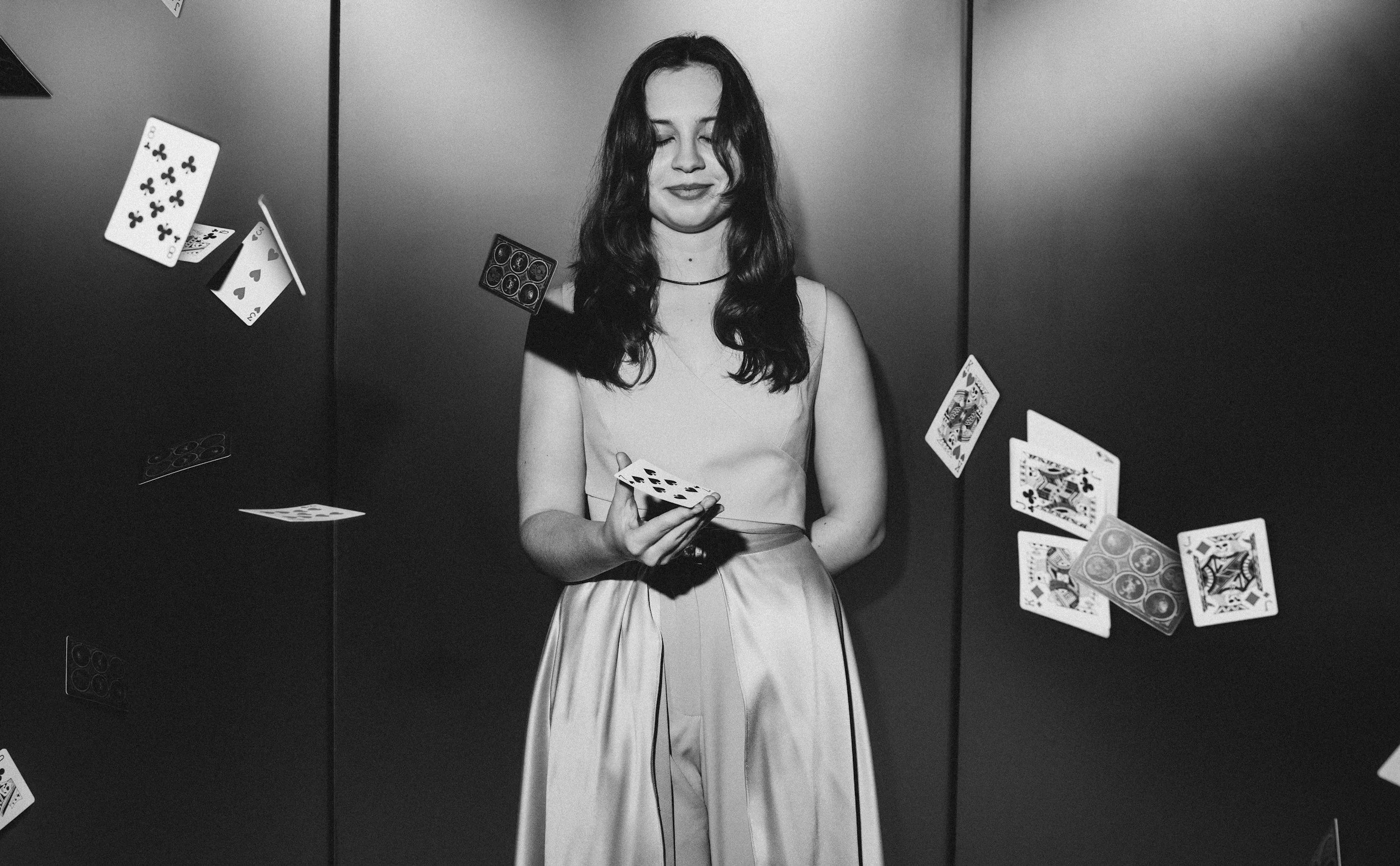
A professional magic show is far more than a series of tricks performed one after another. It is a carefully structured entertainment experience designed to control attention, build emotional anticipation, and create moments of genuine surprise and wonder. Whether you attend a wedding performance, a corporate stage show, a theatre production, or a close-up walkaround act, understanding what to expect can significantly enhance your enjoyment.
Magic shows vary widely depending on the performer’s style and the type of event, but professional magicians share several common elements: structure, audience engagement, storytelling, and polished execution.
This guide breaks down exactly what you can expect from a professional magic show—from the moment the magician arrives to the final applause.
1. The First Impression: Setting the Tone
The experience of a professional magic show begins long before the first trick is performed.
A professional magician understands that first impressions matter. Their entrance, appearance, and early interaction with the audience are carefully designed to establish tone.
What you may notice immediately:
A confident and calm presence
Professional attire suited to the event
Friendly interaction with guests
Observational awareness of the room
Subtle warm-up engagement (especially in close-up magic)
For stage performers, the show may begin with dramatic lighting, music, or a strong opening illusion designed to immediately capture attention.
For walkaround magicians, the experience begins organically as they introduce themselves to small groups and start performing intimate effects.
A seasoned performer knows that the first few minutes determine audience trust and engagement for the entire show.
2. Different Types of Magic Shows You Might Experience
Not all magic shows are the same. A professional magician adapts their performance style based on the event format.
A. Close-Up Magic Shows
Close-up magic is performed inches away from the audience using everyday objects like cards, coins, rings, or borrowed items.
What to expect:
Small group interactions
Personal engagement with guests
Tricks performed in your hands
High levels of audience participation
This format is common at weddings, cocktail receptions, and corporate networking events.
The experience feels casual and conversational, but the magic itself is extremely deceptive and highly technical.
B. Stage Magic Shows
Stage magic is designed for larger audiences and involves theatrical illusions performed from a platform or stage.
What to expect:
Structured show with beginning, middle, and end
Large-scale illusions
Lighting, music, and sound effects
Audience reactions as a group
Stage magic creates shared emotional moments where hundreds of people react simultaneously to the same illusion.
C. Mentalism Shows
Mentalism focuses on psychological illusion, mind reading, prediction, and influence.
What to expect:
Thought reading demonstrations
Audience prediction experiments
Personal revelations
Psychological interaction
Performers such as Derren Brown are known for transforming magic into a deeply intellectual and psychological experience.
D. Comedy Magic Shows
Comedy magic blends humor with illusion.
What to expect:
Lighthearted jokes
Audience participation
Fast-paced tricks
Playful interaction
This style is especially popular for private parties and family events.
E. Illusion Shows
Large-scale illusion shows are theatrical productions involving assistants, props, and dramatic effects.
What to expect:
Big visual moments (disappearances, levitations)
Stage choreography
Music-driven storytelling
High production value
Performers like David Copperfield are famous for cinematic illusion experiences that feel more like theatre than traditional magic.
3. Audience Participation: You Are Part of the Show
One of the most important aspects of a professional magic show is audience involvement.
Unlike movies or theatre, magic is interactive. The magician often relies on audience participation to create effects.
Common ways audiences are involved:
Selecting cards or objects
Signing items for verification
Making free choices
Holding props during tricks
Answering psychological questions
Participating in predictions or experiments
A key point: professional magicians carefully select volunteers based on energy, comfort level, and suitability for the trick.
You will never be forced to participate, but you may be invited to become part of the performance.
4. The Psychology Behind the Experience
A professional magic show is built on deep psychological principles.
Magicians are not just performing tricks—they are guiding attention, perception, and expectation.
Key psychological elements include:
Attention control
Magicians direct where you look and when you look away.
Misdirection
Not distraction—but controlled focus manipulation.
Memory gaps
The brain often fails to register subtle actions during high-focus moments.
Assumption bias
Audiences assume certain actions are impossible or irrelevant.
Pattern interruption
Unexpected outcomes break mental prediction models.
A magician like Penn & Teller often uses these principles in combination with comedy and stagecraft to create layered performances that feel both intellectual and surprising.
5. The Structure of a Professional Magic Show
Most professional magic shows follow a carefully designed structure.
1. Opening Routine
The opening is designed to grab attention immediately.
This may include:
A quick visual illusion
A surprising prediction
A direct audience interaction moment
The goal is to establish credibility and curiosity instantly.
2. Building Phase
After the opening, the magician gradually increases complexity.
This phase includes:
Slightly more challenging tricks
Audience engagement
Humor or storytelling
Gradual escalation of impossibility
3. Peak Moments
This is where the strongest illusions occur.
Examples:
Impossible predictions
Vanishes or transformations
Mind-reading revelations
Large-scale illusions (stage shows)
4. Emotional Reset
Professional performers often include lighter moments to reset audience tension and keep engagement balanced.
5. Final Climax
The final trick is usually the strongest effect of the entire show.
It is designed to:
Leave a lasting impression
Generate applause and emotional reaction
Create a memorable ending
6. What You Will Feel During a Magic Show
A professional magic show is designed to create a wide range of emotional responses.
Common reactions include:
Surprise
Unexpected outcomes challenge logical expectations.
Curiosity
Audiences attempt to figure out methods.
Laughter
Especially in comedy magic shows.
Suspicion
Viewers question what they think they saw.
Amazement
A sense of impossibility overrides explanation.
Emotional connection
In storytelling-based performances, emotional depth is often included.
A performer like Shin Lim often creates a quieter, more emotional form of amazement through music-driven card manipulation routines.
7. What You Should NOT Expect
Understanding what a magic show is not helps set realistic expectations.
1. You will not see “real magic”
All professional magic is based on illusion, psychology, and performance skill.
2. You will not always understand how tricks work
Confusion is part of the experience.
3. You will not be able to catch everything
Even highly observant audience members miss key moments due to misdirection.
4. You will not always be the center of attention
Unless you are selected as a participant, you will be part of the audience.
8. The Role of Storytelling in Modern Magic
Modern magic shows often include storytelling elements.
Instead of performing disconnected tricks, magicians build emotional narratives.
Examples include:
Themes of memory and identity
Personal stories about failure or success
Exploration of perception and reality
Humor-driven life anecdotes
Storytelling helps transform magic from “tricks” into a full entertainment experience.
9. How Professional Magicians Handle Mistakes
Even experienced magicians encounter unexpected situations.
A professional magician is trained to:
Recover smoothly from mistakes
Redirect attention seamlessly
Incorporate errors into performance
Maintain audience engagement at all times
This adaptability is one of the key differences between amateur and professional performers.
10. Behind the Scenes: Preparation You Don’t See
A magic show may look spontaneous, but it is often the result of extensive preparation.
Preparation includes:
Rehearsing routines thousands of times
Testing audience reactions
Adjusting timing and pacing
Designing scripts and patter
Practicing misdirection techniques
Coordinating lighting or sound (stage shows)
Professional performers often spend more time preparing than actually performing.
11. Differences Between Live and Television Magic
Television magic is often edited and enhanced, while live magic is raw and unfiltered.
Live magic:
Real-time reactions
No editing
Unpredictable audience interaction
Television magic:
Controlled environment
Camera angle management
Editing and post-production adjustments
This is why seeing a magician live often feels more impactful than watching them online.
12. The Audience’s Role in the Experience
A magic show is a shared experience.
The audience contributes by:
Reacting emotionally
Participating in tricks
Creating atmosphere through energy
Maintaining attention focus
The success of a magic show often depends on the chemistry between performer and audience.
13. Duration of a Professional Magic Show
Typical durations vary depending on format:
Close-up magic: 1–4 hours (roaming)
Stage show: 30–90 minutes
Corporate segments: 10–45 minutes per set
Private party shows: flexible (20–60 minutes)
A professional magician carefully structures pacing to avoid fatigue or overstimulation.
14. Why Professional Magic Feels So Different from Amateur Magic
The difference is not just skill—it is presentation.
Amateur magic:
Focuses on tricks
Limited audience management
Inconsistent pacing
Professional magic:
Focuses on experience
Emotional storytelling
Controlled attention flow
High-quality audience interaction
Professionals understand that magic is not about fooling people—it is about entertaining them.
15. Real-World Example of a Professional Magic Experience
Imagine attending a corporate event.
A magician begins by casually interacting with guests during cocktail hour. Within minutes, small groups are laughing, reacting, and engaging with impossible card tricks happening right in their hands.
Later in the evening, the same magician transitions to a stage performance. Now the entire audience is watching a structured mentalism routine where multiple guests are involved in predictions that seem mathematically impossible.
By the end of the night, guests are discussing what they saw, debating explanations, and sharing reactions.
This layered experience is typical of professional magic shows.
Final Thoughts
A professional magic show is a carefully crafted experience designed to entertain, surprise, and emotionally engage audiences of all types.
Whether you are watching close-up magic performed inches from your eyes or a large-scale stage illusion in a theatre, the core goal remains the same: to create moments that feel impossible in real time.
What separates professional magicians from amateurs is not just technical skill, but their ability to control attention, build emotional arcs, and create shared experiences that stay with audiences long after the show ends.
A great magic show does not simply entertain you for an hour.
It changes the way you think about what is possible—even if only for a little while.

How Much Does It Cost to Hire a Magician? (Full Pricing Guide for Weddings, Corporate Events & Parties)

Hiring a magician is one of the most flexible and impactful forms of live entertainment you can bring to an event. Whether it’s a wedding reception, corporate gala, private birthday party, or luxury brand activation, magic has the unique ability to break the ice, create shared moments of surprise, and elevate the overall atmosphere instantly.
But one of the first questions most people ask is simple:
“How much does it actually cost to hire a magician?”
The answer is not one fixed price. Instead, magician pricing varies widely depending on experience level, performance style, event type, location, duration, and production requirements.
This guide breaks down everything you need to know about magician pricing so you can confidently budget for your event and understand exactly what you’re paying for.
1. Average Cost of Hiring a Magician
While prices vary significantly, here are general market ranges:
Beginner Magicians
$150 – $500 CAD
Often newer performers or hobbyists
Mid-Level Professional Magicians
$500 – $2,000 CAD
Experienced full-time entertainers
High-End Professional Magicians
$2,000 – $10,000+ CAD
Established performers with strong reputations, corporate experience, or TV exposure
Celebrity / TV Magicians
$10,000 – $100,000+ CAD
International touring performers and household names
These ranges depend heavily on event type and expectations.
2. What You Are Actually Paying For
When you hire a magician, you are not just paying for tricks. You are paying for:
Years of practice and skill development
Performance experience
Audience management ability
Customization for your event
Travel and setup time
Professional reliability
Insurance and business overhead
Creative presentation and scripting
A professional magician is closer to a performer, entertainer, and consultant combined—not just someone doing tricks.
3. Pricing by Type of Magic
Different styles of magic have different pricing structures.
Close-Up Magician Pricing
Close-up magic is the most common format for events like weddings and corporate receptions.
Typical Cost:
$500 – $2,500 CAD per event
Why pricing varies:
Duration (1–5 hours)
Number of guests
Travel requirements
Level of experience
Best use cases:
Cocktail hours
Networking events
Wedding receptions
Restaurant entertainment
What affects cost most:
How many guests need to be entertained
Whether the magician is roaming or stationed
Close-up magic is often priced as a flat event fee rather than hourly billing.
Stage Magician Pricing
Stage magic involves larger illusions, lighting, sound systems, and structured performances.
Typical Cost:
$1,500 – $10,000+ CAD
Why it costs more:
Requires staging or technical setup
Larger props and assistants
Rehearsed show structure
Higher production value
Best use cases:
Corporate galas
Award nights
Large weddings
Theatres and conventions
Stage magicians often charge based on show duration and production complexity.
Mentalist Pricing
Mentalists specialize in mind-reading style performances.
Typical Cost:
$800 – $5,000 CAD
Why pricing varies:
Corporate demand is high
Requires strong scripting and customization
Often includes audience personalization
Best use cases:
Corporate dinners
Luxury private events
Executive functions
Mentalism tends to be priced higher than close-up magic due to its premium, intellectual appeal.
Children’s Magician Pricing
Children’s entertainers are usually more affordable.
Typical Cost:
$150 – $600 CAD
Includes:
Birthday parties
School events
Family gatherings
Pricing depends on show length and travel.
4. Factors That Affect Magician Pricing
There are several key factors that determine how much a magician will charge.
1. Experience Level
This is the biggest factor.
Beginner Magicians:
Limited experience
Fewer live performances
Lower pricing
Professional Magicians:
Years of experience
Corporate and wedding expertise
Higher reliability
Elite Performers:
International experience
TV appearances
High demand calendar
Experience directly affects pricing because it impacts performance quality and event reliability.
2. Event Type
Different events carry different expectations.
Weddings:
Emotional, unpredictable, mixed audience
Requires adaptability
Mid to high pricing range
Corporate Events:
Professional environment
Requires polished performance
Often higher pricing
Private Parties:
Casual setting
Flexible pricing
Luxury Events:
Premium customization
Highest pricing category
3. Duration of Performance
Most magicians structure pricing based on time.
Common durations:
30 minutes (stage segment)
1–2 hours (partial event)
3–5 hours (walkaround magic)
Longer performance time = higher cost.
4. Location and Travel
Location affects pricing significantly.
Local events: standard pricing
Out-of-town events: travel fees added
Destination events: accommodation + transport costs
Some magicians include travel within a certain radius.
5. Event Size
Larger events often require:
More energy
Better crowd control
Longer performance time
Higher pricing
A magician entertaining 20 people versus 500 people is delivering very different experiences.
6. Customization Requirements
Custom magic increases cost.
Examples include:
Personalized tricks with names or branding
Custom scripts for corporate messaging
Themed performances
Special illusions created for the event
Customization requires additional preparation time.
7. Reputation and Demand
High-demand magicians charge more because:
They are booked in advance
They have proven track records
They often perform at high-profile events
Reputation directly impacts pricing.
5. Wedding Magician Cost Breakdown
Weddings are one of the most popular events for hiring magicians.
Average Cost:
$800 – $3,000 CAD
What you typically get:
1–3 hours of close-up magic
Cocktail hour entertainment
Optional stage performance
Why weddings cost more than casual events:
Emotional importance
Larger guest lists
Higher expectations
Coordination with other vendors
Most common setup:
Walkaround magician during cocktail hour
Optional table magic during dinner
6. Corporate Event Magician Cost Breakdown
Corporate events often require polished, professional entertainment.
Average Cost:
$1,000 – $5,000 CAD
Why corporate events cost more:
Professional branding expectations
Larger audiences
Custom messaging integration
Higher production standards
Common formats:
Networking walkaround magic
Stage mentalism show
Award ceremony entertainment
Corporate clients often pay premium rates for reliability and professionalism.
7. Private Party Magician Cost
Private parties vary widely depending on size.
Average Cost:
$300 – $2,000 CAD
Influencing factors:
Guest count
Location
Duration
Type of magic requested
Ideal formats:
Close-up magic
Comedy magic
Interactive performances
Private parties are often more flexible in pricing.
8. High-End and Celebrity Magician Pricing
Top-tier magicians can charge significantly more.
Typical Range:
$10,000 – $100,000+ CAD
Why so expensive:
International fame
Television exposure
Complex stage production
Large team involvement
Travel logistics
These performers are typically booked for:
Major corporate conventions
Luxury brand events
International festivals
Large theater tours
9. Hidden Costs to Be Aware Of
When hiring a magician, consider potential additional costs:
Travel fees
Flights, hotels, transportation
Extended performance time
Overtime charges
Technical setup
Lighting, sound, staging
Custom illusion design
Special tricks or branding integration
Assistant fees
For stage illusions requiring support performers
Always confirm what is included in the base price.
10. How to Know If a Magician Is Worth the Price
Price alone does not determine quality.
Look for:
1. Experience with similar events
Weddings, corporate, etc.
2. Real performance videos
Not just edited highlights
3. Strong reviews and testimonials
4. Clear communication
5. Professional website and branding
A higher price often reflects reliability, not just performance skill.
11. Budgeting Tips for Hiring a Magician
If you are planning an event, here’s how to budget effectively:
Small events:
Allocate $300–$800
Mid-size weddings or parties:
Allocate $800–$2,500
Corporate events:
Allocate $1,500–$5,000
Large-scale events:
Allocate $5,000+
Always prioritize experience over the lowest price.
12. Cheap Magicians vs Professional Magicians
Understanding the difference can save you from disappointment.
Cheap Magicians:
Limited experience
Inconsistent performance quality
May lack crowd control skills
Often hobby-level performers
Professional Magicians:
Strong audience engagement
Reliable timing and structure
Experience handling unexpected situations
Higher-quality presentation
In magic, performance quality is highly dependent on experience.
13. Why Professional Magicians Charge More
A professional magician’s pricing reflects:
Years of training
Investment in props and material
Marketing and business costs
Event reliability
Insurance and licensing
Continuous skill improvement
You are paying for a polished experience, not just a performance.
14. When Hiring a Magician Is Worth It
A magician is especially valuable when:
Guests don’t know each other
You want interactive entertainment
You need filler between event segments
You want memorable guest experiences
You want social media-worthy moments
Magic works best when human interaction is important.
Final Thoughts
So, how much does it cost to hire a magician?
The honest answer is: it depends on the type of magician, the event, and the level of experience.
You might spend a few hundred dollars for a casual party entertainer or several thousand for a high-end corporate illusionist. But the real value is not just in the price—it is in the experience created for your guests.
A great magician does more than perform tricks. They:
Break social barriers
Create emotional reactions
Bring strangers together
Add energy to the room
Turn ordinary events into unforgettable memories
When choosing a magician, focus less on finding the cheapest option and more on finding the right fit for your audience and event style.
Because when done well, magic is not just entertainment.
It is an experience your guests will talk about long after the event is over.

The Difference Between Close-Up Magic and Stage Magic

Magic is not a single performance style—it is a wide spectrum of entertainment formats that vary dramatically in scale, audience experience, technique, and presentation. Two of the most common and important categories are close-up magic and stage magic.
While both aim to create the same core reaction—astonishment and wonder—they achieve it in very different ways. Understanding the difference between them is essential whether you’re hiring a magician for an event, studying magic as a craft, or simply trying to appreciate how modern illusion works.
This guide breaks down both styles in detail, compares their strengths and weaknesses, and explains when each type works best.
What Is Close-Up Magic?
Close-up magic is a style of performance where tricks are performed within arm’s reach of the audience, often just inches away. It typically uses small objects like playing cards, coins, rings, bills, or borrowed items.
Unlike stage magic, close-up magic is intimate, interactive, and highly personal. The audience is not watching from a distance—they are part of the experience.
Key Characteristics of Close-Up Magic
1. Intimacy
Close-up magic is performed for small groups or individual spectators. This creates a sense of direct connection between magician and audience.
The magician is often standing right next to you, sometimes even using your own hands or belongings in the trick.
2. Portability
No stage, lighting rig, or large props are needed. A close-up magician can perform almost anywhere:
Weddings
Cocktail receptions
Corporate networking events
Restaurants
Private parties
This flexibility makes it one of the most practical forms of magic entertainment.
3. Interaction-Based Performance
Close-up magic relies heavily on audience participation. Guests are often asked to:
Choose cards
Hold objects
Sign bills or cards
Make free choices
This interaction increases the emotional impact because spectators feel personally involved in the illusion.
4. Psychological Impact
Because the tricks happen so close, audiences often feel:
“There is no way this can be faked”
“It happened in my hands”
“I was watching carefully and still missed it”
This creates a powerful illusion of impossibility.
Famous Close-Up Magicians
Some of the greatest magicians in the world specialize in close-up and sleight-of-hand magic.
Shin Lim
Shin Lim
Shin Lim is widely considered one of the most visually stunning close-up card magicians in modern history. His silent, music-driven performances focus on flawless sleight of hand and choreography.
Juan Tamariz
Juan Tamariz
A legendary figure in card magic, Tamariz is known for his deep understanding of psychology, misdirection, and audience engagement.
Ricky Jay
Ricky Jay
Famous for extraordinary card handling skills and historical knowledge of magic.
Strengths of Close-Up Magic
Close-up magic is powerful because it creates personal astonishment.
1. Extremely High Engagement
People are not passive observers—they are active participants.
2. Strong Emotional Reaction
Because tricks happen in real time and close proximity, reactions are often more intense than stage magic.
3. Perfect for Social Settings
Close-up magic breaks the ice and encourages conversation among guests.
4. No Technical Setup Needed
It works in almost any environment without equipment.
Limitations of Close-Up Magic
Despite its strengths, close-up magic has some limitations:
1. Small Audience Reach
Only a few people can experience each performance at a time.
2. Less Visual Impact for Large Groups
It is not designed for hundreds of people watching simultaneously.
3. Requires Movement
The magician must walk around and engage multiple groups, which may not suit every event structure.
What Is Stage Magic?
Stage magic is a performance style designed for large audiences viewing from a distance, usually in theaters, banquet halls, or arenas.
It involves bigger illusions, theatrical lighting, music, choreography, and sometimes assistants or elaborate props.
Key Characteristics of Stage Magic
1. Large-Scale Performance
Stage magicians perform for hundreds or even thousands of people at once.
The goal is not intimacy—it is spectacle.
2. Visual Illusions
Stage magic relies heavily on visual impact, such as:
Disappearances
Levitation
Sawing people in half
Large object transformations
Escape acts
3. Theatrical Presentation
Stage magic is closer to theater or concert performance than casual entertainment. It includes:
Music
Lighting design
Storytelling
Costumes
Stage choreography
4. Structured Show Format
Unlike close-up magic, stage performances follow a fixed script or routine, often lasting 30–90 minutes.
Famous Stage Magicians
Some of the most iconic magicians in history are stage performers.
David Copperfield
David Copperfield
One of the most successful magicians of all time, known for large-scale illusions like making the Statue of Liberty disappear and walking through the Great Wall of China.
Penn & Teller
Penn & Teller
A legendary duo blending stage illusions, comedy, and skepticism in theatrical performances.
Criss Angel
Criss Angel
Known for edgy, high-energy stage illusions and televised performances.
Strengths of Stage Magic
Stage magic offers a very different set of advantages.
1. Large Audience Experience
Hundreds or thousands of people can experience the magic at the same time.
2. High Visual Impact
Big illusions create unforgettable “wow” moments that are visually dramatic.
3. Theatrical Storytelling
Stage magicians can build emotional arcs, narratives, and dramatic tension.
4. Production Value
Lighting, music, and staging enhance the experience significantly.
Limitations of Stage Magic
1. Less Personal Interaction
Audience members are typically passive observers.
2. Requires Venue Setup
Needs stage, sound systems, lighting, and often assistants.
3. Higher Cost
Production requirements often make stage magic more expensive.
Close-Up Magic vs Stage Magic: Key Differences
Now that we understand both styles, let’s compare them directly.
1. Audience Size
Close-Up Magic: 1–10 people at a time
Stage Magic: 50–10,000+ people
Close-up magic prioritizes intimacy, while stage magic prioritizes scale.
2. Experience Type
Close-Up Magic: Personal, interactive, immersive
Stage Magic: Spectacular, theatrical, observational
Close-up magic feels like a secret happening in your hands. Stage magic feels like a show happening in front of you.
3. Distance from Performer
Close-Up Magic: Inches away
Stage Magic: Several meters away
This affects perception. Close-up magic creates the illusion of impossibility in real time, while stage magic relies on visual deception from a distance.
4. Skill Set Required
Close-up magicians need:
Sleight of hand
Misdirection
Psychological timing
Dexterity
Stage magicians need:
Theatrical direction
Stage blocking
Large illusion mechanics
Audience management
5. Equipment and Setup
Close-Up Magic: Minimal props (cards, coins, borrowed objects)
Stage Magic: Large props, assistants, lighting, stage equipment
6. Audience Reaction
Close-Up Magic: Shock, disbelief, laughter, personal amazement
Stage Magic: Awe, applause, collective amazement
Close-up magic often produces more vocal, personal reactions, while stage magic creates shared spectacle moments.
7. Cost and Production
Close-Up Magic: Generally lower cost
Stage Magic: Higher cost due to production requirements
Which One Is Better for Events?
The answer depends entirely on the type of event.
Weddings
Best choice: Close-Up Magic + Light Stage Segment
Weddings benefit from both styles:
Close-up magic during cocktail hour helps guests interact
Stage magic can serve as a central entertainment moment during reception
Close-up magic is especially effective because it helps guests from different social groups connect naturally.
Corporate Events
Best choice: Close-Up Magic or Mentalism
Corporate events often prioritize networking and professionalism.
Close-up magic works perfectly during:
Cocktail networking sessions
Dinner transitions
Break periods
Stage magic works well for:
Award ceremonies
Large gala dinners
Private Parties
Best choice: Close-Up Magic or Comedy Magic
Small gatherings benefit most from interactive entertainment.
Stage magic is usually unnecessary unless the event is large.
Large Events and Conferences
Best choice: Stage Magic
For audiences of hundreds or thousands, stage magic is essential.
It ensures everyone shares the same experience simultaneously.
Hybrid Performers: The Best of Both Worlds
Some modern magicians combine both styles.
For example:
David Blaine
David Blaine
Blends close-up street magic with large televised endurance stunts.Dynamo
Dynamo
Combines close-up magic with cinematic presentations.
These performers demonstrate that modern magic is increasingly flexible and hybrid in nature.
Psychological Difference Between the Two Styles
The biggest difference between close-up and stage magic is not technical—it is psychological.
Close-Up Magic Psychology
Close-up magic works because:
The audience feels in control
They believe “nothing is hidden”
They experience direct involvement
The impossibility feels immediate
This creates a strong personal connection.
Stage Magic Psychology
Stage magic works because:
The audience expects spectacle
Attention is directed and controlled
Scale creates emotional impact
The performance feels larger than life
This creates collective awe.
Why Close-Up Magic Often Feels More “Impossible”
Even though stage magic can involve massive illusions, many people find close-up magic more shocking.
Why?
Because:
The trick happens in your hands
There is no stage distance to hide behind
You are actively trying to detect the method
Your attention is fully engaged
This is why magicians like Shin Lim and Ricky Jay are so respected—they perform miracles at the closest possible range.
Why Stage Magic Feels More “Spectacular”
Stage magic creates impact through scale.
A disappearing elephant or levitating assistant cannot be experienced the same way in close-up form.
Stage magic is about:
Visual grandeur
Shared audience reaction
Emotional buildup
Dramatic reveal
It feels like watching something impossible happen in real time on a massive scale.
How Magicians Train for Each Style
Close-Up Training
Daily card handling practice
Finger dexterity exercises
Psychological timing drills
Audience misdirection study
Stage Training
Choreography and movement rehearsal
Timing with lighting and music
Large prop coordination
Stage presence development
Each style requires a completely different professional skillset.
The Future: Blending Both Worlds
Modern magic is increasingly hybrid.
Many performers now combine:
Close-up intimacy
Stage-scale visuals
Digital effects
Social media storytelling
Audiences today expect variety, and the most successful magicians adapt accordingly.
Final Thoughts
Close-up magic and stage magic are not competing forms of entertainment—they are complementary expressions of the same art.
Close-up magic excels in intimacy, interaction, and psychological impact. Stage magic excels in spectacle, scale, and theatrical storytelling.
The best choice depends entirely on your event goals:
Want personal connection and interaction? Choose close-up magic.
Want spectacle and large-scale impact? Choose stage magic.
Want the best experience overall? Combine both.
Ultimately, magic is not about the size of the stage or the distance from the audience.
It is about one thing:
Creating moments where people genuinely feel impossible things are happening in front of them.
And whether it happens in your hands or across a grand stage, that feeling is what makes magic timeless.
:::
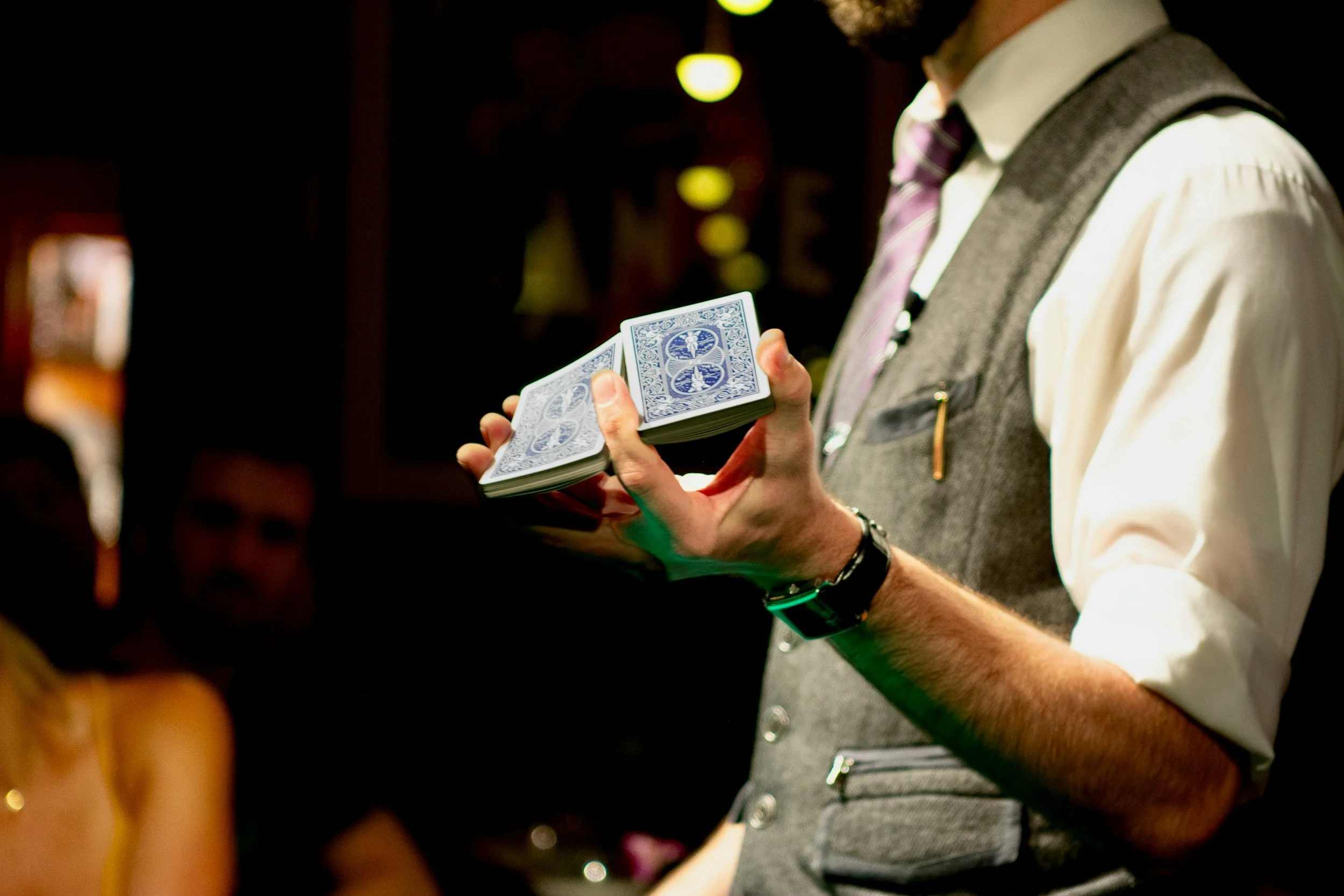
How to Choose the Right Magician for Your Event (Weddings, Corporate Events, and Private Parties)
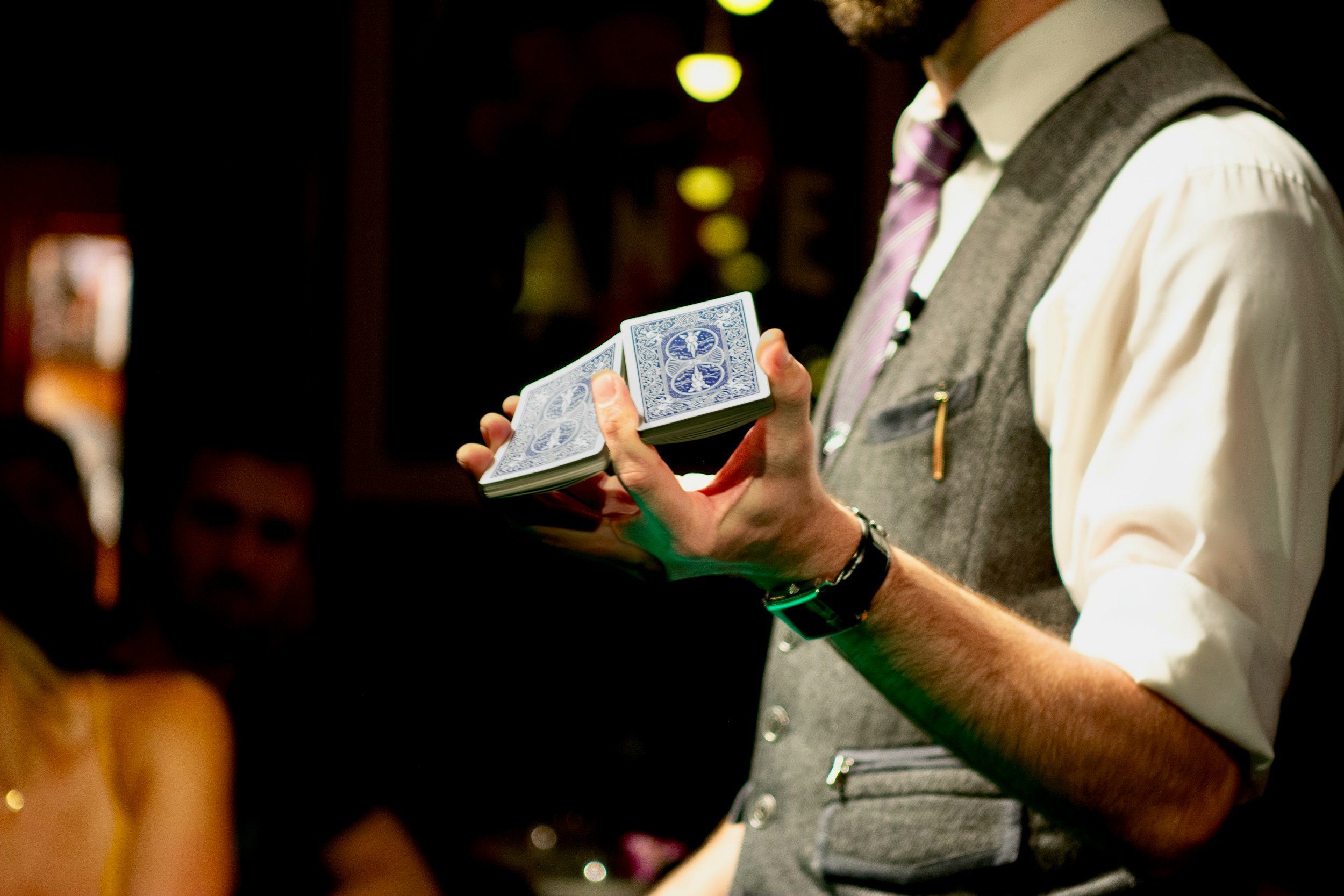
Choosing the right magician for an event is one of those decisions that seems simple on the surface—but can dramatically impact the overall success of your gathering. Whether it’s a wedding reception, a corporate gala, a birthday celebration, or a private dinner party, the right magician can elevate the atmosphere, break the ice between guests, and create unforgettable shared moments.
However, not all magicians are the same. Magic is a broad art form with many styles, personalities, and performance formats. A magician who is perfect for a lively wedding crowd may not be suitable for a formal corporate awards dinner. Likewise, a high-energy stage illusionist may not be ideal for an intimate cocktail reception.
This guide breaks down everything you need to know to choose the perfect magician for your event. It covers performance styles, audience types, event goals, budgeting, booking tips, and red flags to avoid—so you can confidently hire an entertainer who fits your vision.
Why Hiring the Right Magician Matters
Magic is unique compared to other forms of entertainment because it is interactive, emotional, and highly dependent on audience engagement. Unlike music or decor, magic directly involves your guests. That means the performer’s skill, personality, and style will shape how people remember your event.
A great magician can:
Break the ice between strangers
Energize a slow or formal event
Create shared moments of laughter and surprise
Make guests feel personally involved
Elevate your event’s perceived quality
Provide photo-worthy reactions and memories
A poor fit, however, can lead to awkward pacing, disengaged guests, or a performance that feels out of place.
Choosing carefully ensures your entertainment becomes a highlight—not a distraction.
Step 1: Understand the Different Types of Magicians
Before you can choose the right magician, you need to understand the main categories of magic performances. Each style creates a very different experience.
1. Close-Up Magicians (Walkaround or Table Magic)
Close-up magicians perform directly in front of guests, often within arm’s reach. They typically move from group to group performing short, interactive routines.
Best for:
Weddings (cocktail hour, reception)
Corporate networking events
Private parties
Restaurant events
Advantages:
Highly interactive
Great icebreaker for guests who don’t know each other
No stage required
Flexible and portable
Experience style:
Guests see impossible magic happening right in their hands—cards change, coins vanish, objects teleport. The experience feels personal and spontaneous.
When NOT to choose:
Large audiences expecting a stage show
Events requiring structured seating entertainment
2. Stage Magicians
Stage magicians perform for a seated audience, usually from a platform or stage. Their performances often include large illusions, assistants, lighting effects, and music.
Best for:
Corporate galas
Large weddings
Award ceremonies
Theater-style events
Advantages:
Suitable for large groups
High production value
Visually impressive
Structured entertainment segment
Experience style:
Expect grand illusions such as levitations, disappearances, mind-reading acts, and dramatic storytelling.
When NOT to choose:
Small or informal gatherings
Events without stage or sound setup
3. Mentalists
Mentalists focus on psychological illusion, mind reading, predictions, and behavioral influence.
Best for:
Corporate events
High-end private functions
Luxury weddings
Executive dinners
Advantages:
Sophisticated and elegant
Highly engaging for adults
Creates strong emotional reactions
Works well in seated or small-group environments
Experience style:
Guests feel as though the performer is reading thoughts, predicting decisions, or influencing behavior.
When NOT to choose:
Children’s parties
Very loud or distracting environments
4. Comedy Magicians
Comedy magicians combine humor and magic for lighthearted entertainment.
Best for:
Birthday parties
Casual weddings
Family events
Social gatherings
Advantages:
Very entertaining and relaxed
Appeals to wide age groups
Great for breaking tension
Experience style:
Fast-paced tricks mixed with jokes, audience participation, and playful surprises.
When NOT to choose:
Formal corporate galas
Events requiring elegant tone
5. Illusionists
Illusionists specialize in large-scale effects and dramatic stage performances.
Best for:
Large weddings
Corporate productions
Theaters and conventions
Advantages:
High-impact visual moments
Professional production quality
Strong “wow factor”
Experience style:
Sawing people in half, disappearing acts, levitations, and dramatic transformations.
When NOT to choose:
Small venues
Low-budget events
Step 2: Define Your Event Type Clearly
The next step is to understand your event structure. The same magician will perform differently depending on the setting.
Weddings
Weddings are emotional, social, and often unpredictable in pacing. Guests are usually mixed in age and familiarity.
Best magician types:
Close-up magicians during cocktail hour
Stage magicians for reception entertainment
Light comedy magicians for casual weddings
What works best:
Interactive magic that gets guests talking
Visual tricks that photograph well
Performers who blend into social flow
Avoid:
Overly intense mentalism (unless carefully tailored)
Long, formal stage monologues
Corporate Events
Corporate audiences are often more reserved and professional. Entertainment must balance sophistication with engagement.
Best magician types:
Mentalists
Corporate close-up magicians
Professional stage illusionists
What works best:
Clean, polished presentation
Networking-friendly walkaround magic
Brand-conscious performance style
Avoid:
Crude humor
Overly childish tricks
Disruptive audience participation
Private Parties
These include birthdays, anniversaries, family gatherings, and social celebrations.
Best magician types:
Comedy magicians
Close-up magicians
Interactive mentalists
What works best:
Flexible performers who adapt to mood
High energy engagement
Personalized tricks involving guests
Avoid:
Overly formal or corporate tone
Large stage illusions (unless venue supports it)
Step 3: Know Your Audience
A great magician adapts their performance to the audience.
Ask yourself:
1. What is the average age of guests?
Kids → visual, funny magic
Adults → close-up or mentalism
Mixed ages → versatile performer
2. What is the cultural background?
Some audiences prefer subtle magic, while others enjoy expressive reactions.
3. What is the social environment?
Networking-heavy → walkaround magic
Seated dinner → structured performance
Party atmosphere → interactive comedy magic
Step 4: Match the Magician’s Personality to Your Event
Magicians are performers first. Personality matters as much as skill.
Common magician personalities:
The Elegant Professional
Calm, polished, sophisticated
Ideal for corporate and weddings
The Energetic Entertainer
High energy, humorous, engaging
Great for parties and weddings
The Mysterious Mentalist
Serious tone, psychological focus
Best for corporate or luxury events
The Comedy Performer
Lighthearted, fun, interactive
Ideal for casual events
Choosing the wrong personality can make even a skilled magician feel out of place.
Step 5: Evaluate Experience and Reputation
Not all magicians are equally experienced.
Look for:
1. Years of professional performance
More experience usually means better crowd control and adaptability.
2. Event specialization
Some magicians focus only on weddings, others on corporate events.
3. Testimonials and reviews
Look for consistent positive feedback, especially from similar event types.
4. Video footage
Watch full performances, not just highlight clips.
Step 6: Watch Performance Videos Carefully
A magician’s promotional video can be misleading if not examined properly.
When watching videos, check:
Audience reactions (real or staged?)
Full tricks vs edited cuts
Energy level consistency
Interaction style with guests
Professionalism and pacing
If possible, request full live performance footage.
Step 7: Understand Pricing Structures
Magician pricing varies widely depending on experience, location, and event type.
Typical pricing factors:
Duration of performance
Travel requirements
Event type (weddings and corporate events often cost more)
Stage setup requirements
Reputation and demand
General pricing tiers:
Beginner performers: budget-friendly, less experience
Mid-level professionals: balanced quality and pricing
Top-tier entertainers: high-end, polished, experienced performers
Remember: cheaper is not always better. A weak performance can negatively impact your entire event experience.
Step 8: Ask the Right Questions Before Booking
When contacting a magician, ask:
1. Have you performed at events like mine before?
2. What type of magic do you specialize in?
3. How do you adapt to different audiences?
4. Do you require any technical setup?
5. Can you customize tricks for my event?
6. What is your cancellation policy?
7. Do you have liability insurance? (important for corporate events)
A professional magician will answer clearly and confidently.
Step 9: Red Flags to Avoid
Be cautious if you notice:
No live performance videos
Overuse of flashy edited clips
Vague pricing with hidden fees
No clear event experience
Poor communication
Overpromising unrealistic effects
No testimonials or reviews
Professional magicians are transparent about their work.
Step 10: Booking Timing Matters
Good magicians are often booked months in advance, especially during peak wedding and holiday seasons.
Recommended booking timeline:
Weddings: 6–12 months in advance
Corporate events: 2–6 months
Private parties: 1–3 months
Booking early ensures better availability and more choice.
Step 11: Customize the Experience
The best magicians can personalize their performance.
You can request:
Tricks involving the couple’s names (weddings)
Company branding integration (corporate events)
Themed magic routines
Audience participation moments
Personalized predictions or reveals
Customization makes the performance more memorable.
Step 12: Think About Event Flow
Magic should enhance—not interrupt—your event.
Ideal placements:
Cocktail hour (best for close-up magic)
Between dinner courses (light walkaround magic)
After speeches (stage performance)
During reception transitions
Avoid scheduling magic during critical speeches or emotional moments.
Step 13: The Importance of First Impressions
A magician often sets the tone for the entire event.
When guests arrive and immediately experience something impossible, it creates:
Excitement
Curiosity
Social interaction
Positive energy
This ripple effect improves the entire atmosphere of your event.
Step 14: How Magicians Enhance Photography and Social Media
Modern magic events are highly visual.
Great magic moments produce:
Shocked facial expressions
Group reactions
Shareable video clips
Viral social media content
Many event planners now consider magic part of their “content strategy.”
Step 15: Final Checklist for Choosing the Right Magician
Before making your final decision, confirm:
Style matches your event type
Personality fits audience tone
Experience aligns with event size
Budget is realistic
Reviews are positive
Videos show real performances
Timing and logistics are clear
Final Thoughts
Choosing the right magician for your event is about more than finding someone who can perform tricks. It’s about selecting an entertainer who understands your audience, enhances your event’s atmosphere, and creates memorable shared experiences.
Weddings benefit from emotional and interactive magic. Corporate events require professionalism and sophistication. Private parties thrive on humor and energy.
When you match the right magician to the right environment, you don’t just hire entertainment—you create moments people will remember long after the event ends.
A truly great magician doesn’t just perform magic.
They transform the entire experience of your event.
FAMOUS Magicians
Famous and Best Magicians in the World: Masters of Illusion Who Changed Entertainment Forever
Magic has fascinated humanity for centuries. Long before movies, television, and social media existed, magicians were already astonishing audiences with impossible feats, mysterious disappearances, mind-reading demonstrations, and death-defying escapes. From ancient street performers to modern Las Vegas superstars, magic has evolved into one of the most captivating forms of entertainment in the world.
The greatest magicians are not simply people who perform tricks. They are storytellers, psychologists, showmen, innovators, and artists who understand human attention better than almost anyone else. Their performances combine theater, science, psychology, sleight of hand, choreography, and suspense into unforgettable experiences that leave audiences asking the same timeless question: “How did they do that?”
Today, magic is more popular than ever. Television specials, viral social media clips, arena tours, streaming platforms, and international stage shows have introduced a new generation of audiences to the art of illusion. While some magicians focus on grand theatrical illusions, others specialize in close-up card magic, mentalism, comedy magic, or dangerous endurance stunts.
In this in-depth guide, we explore the most famous and best magicians in the world — from legendary pioneers like Harry Houdini to modern icons such as David Copperfield, Shin Lim, Penn & Teller, David Blaine, Criss Angel, and many others. We will examine their styles, careers, signature illusions, influence on the entertainment industry, and why they continue to inspire millions around the globe.
If you’re looking for a magician for a show that will truly captivate your audience, it’s time to book Johnte Black.
This isn’t just entertainment—it’s an experience your guests will remember long after the event ends. Whether you’re planning a corporate function, private party, or special celebration, Johnte delivers high-impact magic and mentalism that engages, surprises, and connects people in real time.
From the moment the show begins, your audience becomes part of the magic. Minds are read, impossible predictions come true, and everyday moments turn into something extraordinary. It’s interactive, professional, and perfectly tailored to your event.
Don’t settle for average entertainment that fades into the background. Choose a performance that stands out, sparks conversation, and leaves a lasting impression.
Johnte Black is a sought-after magician known for delivering unforgettable shows across a wide range of events. Dates fill quickly, so securing your booking early is key.
Make your event the one everyone talks about.
Contact now to check availability and bring world-class magic to your next show with Johnte Black.
What Makes a Magician Truly Great?
Before diving into the list of famous magicians, it is important to understand what separates a good magician from a legendary one.
Great magicians typically master several qualities:
Technical Skill
Many elite magicians spend decades perfecting sleight of hand, misdirection, timing, and stagecraft. Close-up magicians in particular require extraordinary dexterity and precision.
Originality
The greatest magicians create unique presentations and innovative illusions that audiences have never seen before. Originality often becomes their trademark.
Showmanship
Magic is not just about fooling people. It is about entertaining them. The most successful magicians understand storytelling, audience engagement, pacing, and emotional impact.
Psychological Understanding
Magicians rely heavily on psychology. They understand where audiences look, what people expect, and how human perception can be manipulated.
Cultural Impact
Some magicians transcend the world of magic and become global celebrities. Their influence spreads into movies, television, theater, and popular culture.
Longevity
Many legendary magicians maintain successful careers for decades because they continuously reinvent themselves and adapt to changing audiences.
With those qualities in mind, let us explore the most famous and influential magicians in history.
Harry Houdini: The King of Escapes
Harry Houdini
No discussion about famous magicians can begin anywhere else. Harry Houdini remains one of the most iconic entertainers in history and arguably the most recognizable magician ever.
Born Erik Weisz in Hungary in 1874, Houdini immigrated to the United States with his family and eventually became famous for his daring escape acts. His performances pushed the limits of what audiences thought was humanly possible.
Houdini’s rise to fame came through spectacular escape routines involving handcuffs, locked trunks, chains, straightjackets, prison cells, and underwater tanks. He often invited police officers to restrain him before escaping in front of live crowds.
What made Houdini extraordinary was not only his technical ability but also his mastery of publicity. He understood how to generate headlines decades before modern marketing existed. Newspapers eagerly covered his dangerous stunts and dramatic escapes.
One of his most famous acts involved escaping from a suspended straitjacket while hanging upside down high above city streets. Crowds gathered in massive numbers to watch these performances.
Houdini also became known for exposing fraudulent spiritualists who claimed to communicate with the dead. After the death of his mother, Houdini became deeply skeptical of fake mediums and spent years publicly debunking them.
Even more than 100 years later, Houdini’s name remains synonymous with escape artistry and impossible feats. Modern magicians still reference him as one of the greatest entertainers ever.
David Copperfield: The Most Commercially Successful Magician Ever
David Copperfield
If Houdini was the king of escapes, David Copperfield became the king of modern illusion. Widely regarded as the most commercially successful magician in history, Copperfield transformed magic into cinematic theater.
David Copperfield became globally famous through his television specials in the 1980s and 1990s. Unlike traditional magicians who focused primarily on tricks, Copperfield combined storytelling, emotion, music, and large-scale illusions into dramatic productions.
His signature illusions became legendary:
Making the Statue of Liberty disappear
Walking through the Great Wall of China
Flying across the stage
Escaping from Alcatraz
Vanishing an airplane
These performances turned magic into mainstream entertainment on an unprecedented scale.
According to multiple reports, Copperfield has sold more tickets than any solo entertainer in history and built an enormous entertainment empire.
What distinguishes Copperfield from many magicians is his emotional storytelling. His illusions often involve themes such as love, dreams, loss, childhood wonder, or imagination. He treats magic as theatrical art rather than simple deception.
Copperfield’s Las Vegas residency became one of the most successful live entertainment shows in the world, helping transform Las Vegas into the modern capital of magic entertainment.
Many younger magicians openly credit Copperfield as a major inspiration.
Penn & Teller: The Greatest Magic Duo
Penn & Teller
Penn & Teller revolutionized magic by blending comedy, skepticism, intellectual humor, and illusion into one unique act. They are often considered the greatest magic duo in the world.
The duo consists of Penn Jillette, the loud and comedic spokesperson, and Teller, the silent master technician whose precision and creativity amaze audiences.
What makes Penn & Teller unique is their willingness to partially reveal methods while still fooling audiences. They often explain how certain tricks work before performing an even more deceptive version.
Their long-running Las Vegas residency became legendary, and their television show “Penn & Teller: Fool Us” introduced audiences to some of the best magicians from around the globe.
In “Fool Us,” magicians attempt to perform tricks that Penn & Teller cannot explain. The show has become hugely influential within the magic community and helped introduce rising stars such as Shin Lim to mainstream audiences.
Penn & Teller also stand out because of their intelligence and humor. Their performances often include social commentary, satire, skepticism, and unconventional presentations that appeal to audiences beyond traditional magic fans.
Many magicians consider Teller one of the greatest technical minds in modern magic.
David Blaine: The Street Magic Revolutionary
David Blaine
David Blaine completely changed how magic was presented to television audiences.
Before Blaine, most televised magic involved large stages, glamorous assistants, and theatrical settings. Blaine introduced a stripped-down, raw style of magic performed directly in front of ordinary people on city streets.
His early television specials became cultural phenomena in the late 1990s.
Instead of focusing heavily on the magician, Blaine focused on audience reactions. Viewers watched people scream, cry, swear, and panic after witnessing seemingly impossible close-up miracles.
Blaine’s minimalist style made magic feel real and intimate.
Over time, Blaine shifted increasingly toward endurance stunts inspired by Houdini. He performed dangerous public challenges involving extreme physical conditions, including:
Being buried alive
Standing frozen in ice
Holding his breath underwater
Living in a suspended glass box
Electrification endurance stunts
His performances blurred the line between magic, endurance art, and performance theater.
David Blaine’s influence on modern magic cannot be overstated. Many younger magicians adopted his street-magic format, casual clothing style, and documentary-style presentation.
Criss Angel: The Rock Star Magician
Criss Angel
Criss Angel became one of the biggest magic stars of the 2000s through his edgy television series “Mindfreak.”
Unlike traditional magicians who wore tuxedos and performed elegant illusions, Angel presented himself more like a rock musician. His dark aesthetic, dramatic style, and intense personality appealed strongly to younger audiences.
“Mindfreak” featured shocking street magic, levitations, dangerous stunts, escapes, and surreal visual effects. Angel became famous for seemingly impossible acts such as walking on water, levitating between buildings, and sawing people in half in dramatic fashion.
Angel’s stage productions in Las Vegas became major attractions and helped continue the city’s dominance as a magic entertainment hub.
However, Angel has also been a controversial figure within the magic community. Some critics argue that certain televised effects relied heavily on camera editing or production techniques rather than live performance methods. Online discussions among magic fans often debate the authenticity of televised street magic.
Despite criticism, Criss Angel undeniably helped bring magic to a younger generation and expanded the visual possibilities of modern illusion shows.
Shin Lim: The Modern Master of Card Magic
Shin Lim
Shin Lim represents the modern evolution of close-up magic artistry. Widely regarded as one of the most technically skilled card magicians alive today, Lim became internationally famous after winning “America’s Got Talent” and “America’s Got Talent: The Champions.”
Born in Canada and raised partly in Singapore and the United States, Lim originally studied piano before pursuing magic professionally.
What separates Shin Lim from many magicians is his artistic approach. His routines are silent, elegant, highly choreographed, and synchronized with music. Rather than performing traditional fast-paced card tricks, Lim creates visual experiences that resemble dance performances.
His sleight-of-hand ability is extraordinary. Cards appear, vanish, transform, float, and change in impossible ways directly in front of spectators.
Lim’s performances gained massive popularity online because they translate exceptionally well to video platforms and social media. Many viewers describe his routines as hypnotic.
He is also admired within the magic community for his technical mastery. Winning the FISM World Championship in close-up card magic solidified his reputation as one of the elite sleight-of-hand performers in the world.
Dynamo: The British Street Magic Superstar
Dynamo
Steven Frayne, better known as Dynamo, became one of the most recognizable magicians in the United Kingdom through his television series “Dynamo: Magician Impossible.”
Dynamo specialized in urban street magic and close-up illusions performed for celebrities and ordinary people alike. His approachable personality and casual style made him highly relatable to audiences.
One of Dynamo’s most famous moments involved apparently walking across the River Thames in London. Viral performances like this turned him into a global sensation.
Dynamo also helped popularize magic among younger audiences through social media and online video platforms.
Like other television magicians, some critics questioned the role of editing and production in certain televised effects. However, Dynamo remains respected for his charisma, creativity, and influence on modern street magic.
Derren Brown: The Psychological Illusionist
Derren Brown
Derren Brown occupies a unique place in the magic world because he combines mentalism, psychology, suggestion, memory techniques, and illusion into sophisticated performances.
Unlike many magicians who present themselves as supernatural figures, Brown openly frames his performances as combinations of psychology, suggestion, misdirection, and showmanship.
Brown became famous through television specials involving mind-reading demonstrations, prediction effects, psychological manipulation experiments, and social influence tests.
His work often explores deeper themes involving belief, free will, persuasion, and human behavior.
Many viewers appreciate Brown’s intellectual style and skeptical approach. He frequently explains that he possesses no paranormal abilities, although audiences still find his performances astonishing.
Within the magic community, Derren Brown is highly respected for his creativity, presentation skills, and understanding of psychological illusion.
Lance Burton: The Classical Las Vegas Magician
Lance Burton
Lance Burton became one of Las Vegas’s most beloved magicians through his elegant and traditional style.
Unlike edgy modern magicians, Burton embraced classic magic traditions involving doves, stage illusions, tuxedos, and polished theatrical performances.
His Las Vegas residency lasted more than a decade and became one of the city’s most successful magic productions.
Burton’s performances appealed to families and audiences seeking classic magical entertainment rather than shock-based spectacle.
He was especially admired for his smooth stage presence, technical precision, and timeless presentation style.
Doug Henning: The Hippie Magician Who Changed Magic
Doug Henning
During the 1970s, Doug Henning completely reinvented the public image of magicians.
Before Henning, magicians were often seen as mysterious men in tuxedos performing formal illusions. Henning introduced colorful costumes, energetic personality, and joyful enthusiasm.
With his long hair, mustache, and vibrant clothing, Henning looked more like a rock musician than a traditional magician.
His Broadway show “The Magic Show” became hugely successful and helped revive public interest in magic during the 1970s.
Henning emphasized wonder and positivity rather than mystery or intimidation. Many modern magicians credit him with helping modernize stage magic.
Ricky Jay: The Scholar of Sleight of Hand
Ricky Jay
Ricky Jay was widely regarded as one of the greatest sleight-of-hand artists and magic historians ever.
Unlike many flashy television magicians, Jay focused heavily on technical mastery and historical appreciation for the art of magic.
He became famous for extraordinary card manipulation skills, including throwing playing cards with incredible speed and accuracy.
Jay also worked extensively as an actor, appearing in films such as “Boogie Nights,” “Magnolia,” and “The Prestige.”
Many magicians considered him one of the most knowledgeable scholars in magic history.
Juan Tamariz: The Genius of Card Magic
Juan Tamariz
Within the world of close-up magic, Juan Tamariz is considered a genius.
The Spanish magician became legendary for his innovative card routines, joyful performance style, and deep theoretical understanding of magic psychology.
Tamariz’s influence extends far beyond audiences. He profoundly shaped modern card magic theory and inspired countless professional magicians.
His books and teachings remain foundational within the magic community.
Many elite magicians consider Tamariz one of the greatest card magicians in history.
Mat Franco: The Modern Interactive Magician
Mat Franco
Mat Franco gained fame after becoming the first magician to win “America’s Got Talent.”
Franco’s style emphasizes humor, audience interaction, relatability, and improvisation.
Unlike highly choreographed illusionists, Franco often creates a conversational atmosphere during performances, making audiences feel personally involved.
His Las Vegas residency became extremely popular because of his likable personality and highly interactive style.
Franco represents a newer generation of magicians who blend television-friendly charisma with modern audience engagement techniques.
Apollo Robbins: The Gentleman Pickpocket
Apollo Robbins
Apollo Robbins became famous as one of the world’s greatest theatrical pickpockets.
His performances involve stealing watches, wallets, belts, and personal items from volunteers without them noticing.
Robbins combines psychology, distraction, humor, and extraordinary dexterity to create performances that are both entertaining and educational.
He has also consulted for security experts, law enforcement agencies, and researchers interested in human attention and perception.
Many magicians and psychologists consider Robbins one of the greatest experts on misdirection alive today.
Justin Willman: The Netflix Magic Star
Justin Willman
Justin Willman helped introduce magic to streaming audiences through Netflix shows such as “Magic for Humans.”
Willman combines comedy, social experiments, and close-up magic into lighthearted entertainment designed for modern viewers.
His approachable personality and humorous presentation make magic accessible to audiences who might not normally watch traditional magic shows.
Willman’s success demonstrates how magic continues evolving alongside digital entertainment platforms.
Famous Female Magicians Who Deserve Recognition
Historically, magic has been male-dominated, but many extraordinary female magicians have made significant contributions to the art.
Adelaide Herrmann
Adelaide Herrmann
Known as the “Queen of Magic,” Adelaide Herrmann became one of the most famous magicians of the late 19th and early 20th centuries.
She performed spectacular illusions and became one of the first major female magic stars.
Dorothy Dietrich
Dorothy Dietrich
Dorothy Dietrich became famous for dangerous escape performances and was often compared to Houdini.
She gained recognition for performing feats that few women had attempted in professional magic.
Carisa Hendrix
Carisa Hendrix
Known for her comedic “Lucy Darling” character, Carisa Hendrix blends comedy, improvisation, and magic into highly entertaining performances. She has gained increasing recognition in recent years.
The Evolution of Magic Through Television
Television transformed magic forever.
In earlier eras, magicians depended almost entirely on live performances. Television allowed magicians to reach millions of viewers simultaneously.
Different generations of television magicians shaped public expectations:
Doug Henning brought colorful theatrical magic
David Copperfield created cinematic illusion specials
David Blaine introduced raw street magic
Criss Angel added edgy visual spectacle
Penn & Teller combined skepticism and comedy
Shin Lim popularized artistic close-up magic
Today, social media platforms such as YouTube, TikTok, and Instagram have further changed magic performance styles.
Short-form visual magic now spreads virally online, introducing younger audiences to the art form.
Las Vegas: The Global Capital of Magic
Las Vegas
Las Vegas became the modern home of professional magic entertainment.
Many of the world’s biggest magicians built long-running residencies there, including:
David Copperfield
Penn & Teller
Criss Angel
Lance Burton
Mat Franco
Shin Lim
Vegas provides magicians with stable venues, massive tourist audiences, and large-scale production capabilities.
Magic shows remain among the city’s most popular attractions.
Online discussions among visitors frequently debate which Vegas magician offers the best live experience, with Penn & Teller and Shin Lim often receiving strong praise from audiences.
The Different Types of Magic
Modern magic includes many specialized categories.
Close-Up Magic
Performed inches away from spectators using cards, coins, rings, or small objects.
Examples:
Shin Lim
Ricky Jay
Juan Tamariz
Stage Illusions
Large theatrical productions involving massive props and dramatic visual effects.
Examples:
David Copperfield
Lance Burton
Street Magic
Casual performances for ordinary people in public spaces.
Examples:
David Blaine
Dynamo
Mentalism
Psychological illusions involving mind-reading and predictions.
Examples:
Derren Brown
Escape Artistry
Dangerous escapes involving restraints, underwater tanks, or confinement.
Examples:
Harry Houdini
Comedy Magic
Magic blended heavily with humor and audience interaction.
Examples:
Penn & Teller
Justin Willman
Why People Love Magic
Magic continues captivating audiences because it creates a rare emotional experience: genuine wonder.
In a world where information is instantly available online, magic still produces moments that feel impossible.
For a few seconds, audiences experience something beyond logic and explanation.
Magic also taps into universal human emotions:
Curiosity
Surprise
Suspense
Fear
Joy
Amazement
The best magicians do more than fool audiences. They make people feel childlike wonder again.
The Psychology Behind Magic
Professional magicians study psychology extensively.
Many magic principles rely on:
Attention control
Memory limitations
Pattern recognition
Assumptions
Social expectations
Visual perception
Misdirection is one of the most powerful tools in magic. Contrary to popular belief, misdirection is not simply “making people look away.” It involves guiding audience attention and shaping assumptions.
Magicians understand that human perception is incomplete and easily manipulated.
This connection between psychology and magic explains why magicians are often consulted by neuroscientists, behavioral researchers, and security experts.
The Future of Magic
Magic continues evolving rapidly.
Modern magicians now incorporate:
Augmented reality
Digital technology
Social media performance
Interactive audience participation
Cinematic storytelling
Artificial intelligence concepts
Viral short-form content
At the same time, traditional sleight-of-hand remains deeply respected within the magic community.
Despite technological changes, the core purpose of magic remains unchanged: creating wonder.
Future generations of magicians will likely combine old-school techniques with cutting-edge digital innovation.
Controversies in Modern Magic
Not all magic performances receive universal praise.
One recurring debate involves televised magic and camera editing. Some viewers argue that certain television specials rely too heavily on editing tricks rather than live performance skill. Online discussions frequently compare performers based on perceived authenticity.
Another controversy involves exposure. Some magicians dislike revealing secrets publicly, while others believe transparency and education can improve audience appreciation.
Penn & Teller famously built part of their brand around exposing smaller tricks while still preserving mystery in larger performances.
The rise of social media has also increased public exposure of magic methods. Tutorials and secret explanations now spread rapidly online, forcing magicians to become even more creative.
The Most Influential Magicians of All Time
If influence matters more than technical style alone, several names consistently dominate discussions:
Harry Houdini
The ultimate escape artist and publicity genius.
David Copperfield
The greatest commercial success in magic history.
Penn & Teller
The duo that modernized comedy magic and intellectual illusion.
David Blaine
The man who reinvented televised street magic.
Doug Henning
The magician who revitalized public interest in magic during the 1970s.
Shin Lim
The modern master who elevated artistic card magic for mainstream audiences.
Can Anyone Become a Magician?
One of the most inspiring aspects of magic is that many great magicians started as self-taught hobbyists.
Modern learners have access to:
Online tutorials
Magic books
Mentorship programs
Magic conventions
YouTube demonstrations
Professional workshops
However, becoming truly elite requires extraordinary dedication.
Many professional magicians spend thousands of hours practicing simple sleight-of-hand moves until they become invisible to audiences.
Magic rewards patience, creativity, discipline, and performance ability.
The Role of Mystery in Human Culture
Magic survives because humans love mystery.
Even in an age dominated by science and technology, people still crave experiences that challenge logic and expectation.
Magic creates controlled impossibility.
Audiences know magicians are using natural methods rather than supernatural powers, yet the emotional reaction remains powerful because the experience feels impossible in the moment.
That tension between knowledge and wonder keeps magic timeless.
Final Thoughts
The world’s greatest magicians are more than entertainers. They are artists of perception, masters of psychology, and architects of wonder.
From Harry Houdini’s death-defying escapes to David Copperfield’s theatrical spectacles, from Penn & Teller’s intellectual comedy to Shin Lim’s elegant sleight of hand, each generation reinvents magic for new audiences.
Some magicians astonish through giant illusions. Others amaze through subtle card tricks performed inches away from spectators. Some rely on comedy, while others build suspense and danger.
Yet all great magicians share one common goal: creating moments that feel impossible.
Magic continues thriving because people never stop wanting to believe that the impossible might be real — even if only for a few moments.
As technology evolves and entertainment changes, magic will undoubtedly continue adapting. But the essential emotional experience of astonishment, curiosity, and wonder will remain timeless.
The best magicians in the world remind us that even in a highly rational world, there is still room for mystery, imagination, and amazement.
If you’re planning a show and want something that truly stands out, hiring the right magician can make all the difference—and Johnte Black is the performer who delivers that difference.
In a world where audiences have seen it all, it takes more than simple tricks to capture attention. You need an experience that feels real, interactive, and impossible to ignore. That’s exactly what Johnte brings to every performance. His shows combine world-class magic, psychological illusion, and audience participation to create moments that leave people amazed, engaged, and talking long after the event ends.
From the very first moment, your audience is drawn in. They’re not just watching—they’re involved. Thoughts are revealed, impossible predictions unfold, and ordinary moments turn into something extraordinary right before their eyes. It’s not just about what they see—it’s about how it makes them feel.
Whether you’re hosting a corporate event, private function, theatre-style show, or special celebration, Johnte Black adapts his performance to fit your audience and setting perfectly. His style is professional, engaging, and designed specifically for modern audiences who expect more than traditional entertainment.
What sets Johnte apart is his ability to connect with people. Every show is crafted to create genuine reactions—laughter, surprise, curiosity, and that unforgettable sense of “how did that just happen?” These are the moments that turn a good event into a truly memorable one.
Booking Johnte Black isn’t just about hiring a magician—it’s about elevating your entire event experience. It’s about giving your guests something unique, something interactive, and something they won’t forget.
If you’re serious about making your show stand out, now is the time to act. Availability is limited, and high-demand dates fill quickly.
Don’t leave your entertainment to chance.
Contact today to secure your date and bring a world-class magic experience to your event with Johnte Black.